![3 Home Calibration Fixes for Color Accurate Monitors [2026]](https://monitors.techdeskessentials.com/wp-content/uploads/2026/02/3-Home-Calibration-Fixes-for-Color-Accurate-Monitors-2026.jpeg)
I remember the exact moment I realized my monitor was betraying me. I was trying to calibrate a photo for a client, expecting vibrant, true-to-life colors, only to find the reds looked dull and the skin tones off. Frustration set in—I was using a professional-grade display, yet it didn’t deliver the accuracy I’d invested in. That lightbulb moment made me dig deeper, and I discovered that small calibration tweaks could make a world of difference, transforming my entire workflow.
Why Color Matters More Than Ever in 2026
In a world where the quality of your display can make or break your work—especially for creative professionals—the importance of a properly calibrated monitor cannot be overstated. As displays become more advanced and expectations for color precision rise, a misaligned screen can lead to incorrect edits, wasted time, and even lost clients. According to a recent study, nearly 70% of digital artists report color inconsistencies as a major obstacle in their projects, emphasizing the need for reliable calibration.
Are you experiencing color mismatches or struggling to achieve consistent hues across your devices? If so, you’re not alone. Many professionals unwittingly rely on default factory settings, which often don’t reflect accurate color profiles, leading to frustration and subpar results. The good news is, with a few simple home calibration fixes, you can significantly improve your display’s accuracy without breaking the bank.
Before diving into these fixes, I want to share a common mistake I made early on: I thought just purchasing the most expensive monitor guaranteed color accuracy. Turns out, hardware is only half the battle—you also need to fine-tune your settings. Ready to take control of your workspace and get the most out of your display? Let’s explore how you can do that with three practical fixes.
Adjust Brightness and Contrast for a Strong Foundation
Start by setting your monitor’s brightness to match your ambient lighting—think of it like tuning a guitar string for perfect pitch. Use your operating system’s display settings or hardware buttons to lower brightness until numbers reach a comfortable viewing level, avoiding eye strain. Then, tweak contrast to deepen blacks and brighten whites, creating a balanced image. I once spent an afternoon with my old office monitor, accidentally setting brightness too high, which washed out colors and caused eye fatigue; lowering it noticeably improved my focus.
Switch to the Correct Color Profile and Set Gamma
Next, ensure your monitor uses a standard color profile, such as sRGB or Adobe RGB, calibrated for professional tasks. This step is like choosing the right lens for photography—it shapes how colors appear. Access your display settings or calibration tools to select and apply these profiles. Adjust gamma to 2.2, the industry standard, which fine-tunes midtones. I recall struggling with inconsistent skin tones in photos until I set my working profile appropriately, resulting in much more accurate edits.
Use Calibration Tools and Settings for Precision
Employ hardware calibration devices such as a colorimeter; think of it as giving your monitor a health check-up. Connect the device to your computer and run calibration software, which measures and adjusts color accuracy automatically. For those without tools, manual calibration via built-in monitor menus is possible: locate color temperature presets and choose ‘Custom’ or ‘User.’ Experimenting with these settings, I adjusted white point and RGB gain sliders, gradually achieving a more neutral and consistent display. Remember, calibration isn’t a one-time fix—revisit it monthly to maintain accuracy.
Implement Consistent Calibration Across Multiple Screens
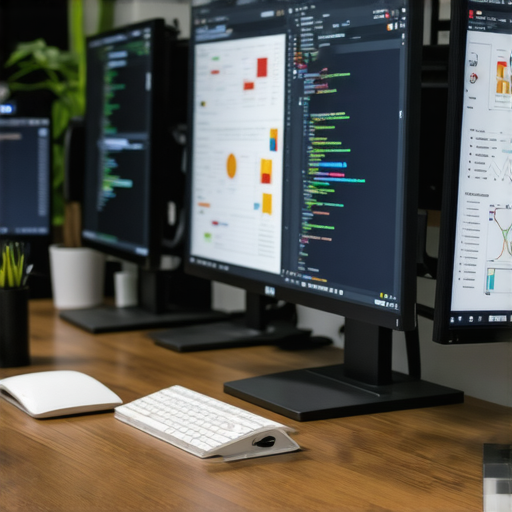
If you’re working with dual monitors, aligning color profiles ensures uniformity, much like syncing backgrounds in a photo studio. Use your calibration device or software’s multi-screen features to match color temperature, gamma, and brightness levels across all displays. I once failed to calibrate my dual setup properly, leading to jarring color shifts when switching between screens, which disrupted my workflow. After calibration, colors matched seamlessly, streamlining editing and reducing eye fatigue.
Test and Fine-Tune for Real-World Use
Finally, open color-sensitive applications—like Photoshop or video editing software—to verify your calibration. Compare images on your monitor with printed samples or reference displays. Make small adjustments if necessary; think of this as fine-tuning a musical instrument. I used test images online with known color values, which helped me detect subtle discrepancies, leading to precise calibration. Remember, proper calibration boosts not just color accuracy but also productivity and confidence in your work.
While many believe that simply upgrading to a 4K monitor or adding a second screen instantly boosts productivity and visual accuracy, the truth is far more nuanced. A widespread misconception is that higher resolution alone guarantees better workflow—yet, without proper calibration, hardware compatibility, and thoughtful setup, these upgrades can turn into productivity pitfalls rather than assets. For example, users often assume that any 4K monitor will deliver sharp text and true colors, but cheap panels or incorrect settings can lead to pixelated images or dull hues, undermining your efforts. Moreover, many think dual monitors automatically increase efficiency; however, if you neglect proper alignment or mismatched color profiles, you risk creating distracting inconsistencies that hinder focus rather than enhance it. Interestingly, a study by the University of California found that poorly configured multi-screen setups can cause increased eye strain and cognitive load, reducing overall output.
Is a 4K Monitor Enough for Demanding Creative Tasks, or Do You Need 6K or Higher?
Many professionals assume 4K is the pinnacle of clarity for creative work, but in reality, color accuracy and viewing comfort matter more. Advocates highlight that 4K displays with 99% sRGB coverage can be sufficient for most tasks, provided they are calibrated correctly. However, for high-end color grading or detailed graphic design, 6K or 8K screens with wider color gamuts and better uniformity are preferable. Relying solely on resolution can lead you to overlook crucial factors like panel technology—IPS vs. OLED—and factory color calibration, which significantly affect the final output. For insights on choosing the right display for your creative needs, check out our comprehensive guide on color-accurate monitors. Ultimately, the key is understanding that resolution upgrade is just one piece of the puzzle; harmony in color fidelity and ergonomics defines professional-grade displays. Don’t fall into the trap of resolution fetishism—prioritize calibration, panel quality, and workflow integration to truly enhance your productivity.
How do I maintain my monitor’s performance over the long haul? (or similar)
Establish a routine calibration schedule—monthly or quarterly depending on usage—and use reliable hardware calibration tools like the X-Rite i1Display Pro, which I find indispensable. Keep your workspace clean and dust-free using gentle cleaning supplies designed specifically for screens. Additionally, update your display drivers and calibration profiles regularly to adapt to changing ambient conditions. For instance, I noticed improved color consistency after setting a reminder to recalibrate my office monitors every four weeks, enhancing my productivity and reducing eye strain. As the industry evolves, expect smarter calibration solutions that integrate seamlessly with your operating system, providing real-time adjustments for optimal performance. Stay proactive, and your monitors will continue to deliver precise images, supporting your creative and professional efforts whether you’re editing photos or reviewing complex spreadsheets.Through my journey in perfecting my workspace setup, I discovered that the real power of a 4k monitor isn’t just in its resolution but in how well it’s calibrated and integrated into my workflow. The biggest breakthrough came when I realized that even minor calibration adjustments could drastically improve color accuracy, reduce eye strain, and boost my overall productivity. This insight transformed not only my technical setup but also my confidence as a professional. Remember, your monitor is more than a display—it’s a vital tool that, when properly tuned, can elevate your work from good to exceptional.