It was after a particularly long day of back-to-back video calls, when I finally looked at my screen—and felt that dreaded, burning sensation in my eyes. I blinked rapidly, trying to clear the fog, but the discomfort lingered. That moment was a lightbulb: I realized my outdated monitor was silently sabotaging my comfort and productivity. If you’ve ever experienced eye strain after hours at your desk, you’re not alone. Many of us dismiss this as normal—just part of working long hours—but there’s a better way. And no, it doesn’t mean splurging on the latest high-end display that costs a small fortune.
Your Eyes Deserve Better: Budget Monitors That Keep You Comfortable
Is Color Accuracy and Comfort Actually Worth the Hype?
When I first looked into replacing my old screen, I made a costly mistake—thinking I had to spend hundreds to get a monitor that was easy on the eyes and accurate for my creative tasks. Turns out, there are affordable options that do a fantastic job without draining your wallet. This guide will walk you through the top budget-friendly monitors in 2026 that are designed to reduce eye strain, enhance productivity, and offer crisp visuals. Whether you’re working with color-sensitive projects or just need a reliable screen that doesn’t cause headaches, I’ve got you covered.
If you’ve been skeptical about the hype around budget monitors, I get it. The market is flooded with claims that cheaper models cut corners—particularly when it comes to eye comfort and color fidelity. But the key is knowing what to look for. Features like flicker-free technology, blue light reduction, and high refresh rates are game-changers that older models often lacked. I’ll share the latest picks that incorporate these innovations, so you don’t have to compromise your health for a lower price.
Stay tuned — we’re about to explore the top budget options that will transform your workspace without breaking the bank. Ready to say goodbye to eye strain and hello to comfortable, vibrant displays? Let’s dive in!
Prioritize Eye-Friendly Technologies
Start by selecting monitors that feature flicker-free technology and blue light reduction. This reduces eye fatigue during long hours of work. When I upgraded my first budget monitor, I specifically looked for these features; initially, I ordered one without them, leading to headaches. I quickly returned it and replaced it with a model that had these features, noticing immediate relief and increased focus.
Assess Your Workspace and Display Size
Measure your desk space before choosing a monitor. For a cluttered desk, opt for a compact 24-inch display; for more room, consider a larger 27-inch or 32-inch screen. I once made the mistake of ordering a large monitor without considering my limited space—resulting in a crowded setup. Using a tape measure and consulting [office monitor size guides](https://monitors.techdeskessentials.com/choosing-the-ideal-office-monitor-2025-guide-for-professionals) helped me pick the perfect size that enhances productivity without feeling overwhelming.
Select the Right Panel Technology for Accuracy
For tasks requiring accurate color reproduction, IPS panels are essential because they offer wider viewing angles and better color consistency compared to TN or VA panels. I tested a VA panel initially, but colors appeared washed out when viewed from the side, frustrating my creative projects. Switching to an IPS monitor, I achieved vibrant, consistent colors and improved my workflow. For further details, check [best color accurate monitors for creative work](https://monitors.techdeskessentials.com/best-color-accurate-monitors-for-creative-office-work-in-2025-4).
Optimize Brightness and Contrast
Adjust your monitor’s brightness and contrast settings to match ambient lighting. Overly bright screens can cause eye strain, especially in dim rooms. I spent time calibrating my monitor, gradually lowering brightness until comfortable, which significantly reduced fatigue. Use software calibration tools or preset profiles to streamline this process and ensure consistent visuals across your devices.
Implement Proper Ergonomics and Dual Setup Harmony
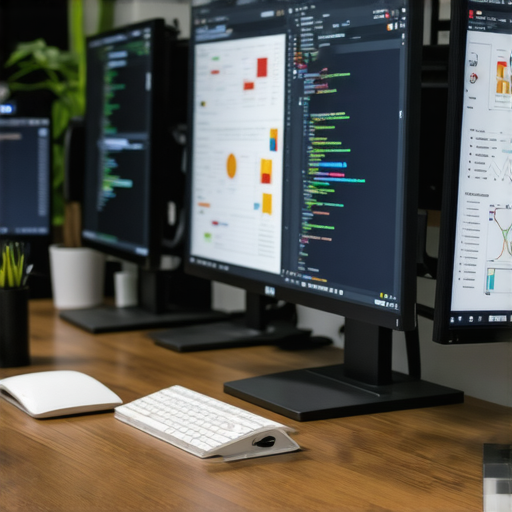
Position your monitor so that the top of the screen is at eye level to prevent neck strain. For dual monitors, align them evenly to avoid distortion and ergonomic imbalance. I once placed my second monitor slightly higher, causing discomfort during prolonged use. Following ergonomic guidelines and exploring [dual monitor setup ideas](https://monitors.techdeskessentials.com/dual-monitor-setup-ideas-to-boost-productivity-in-2025) helped me create a seamless workspace that boosts productivity and comfort.
Fine-Tune Refresh Rate and Resolution for Focus
A higher refresh rate (at least 75Hz) reduces flickering, alleviating eye fatigue, especially during rapid cursor movements or scrolling. For resolution, 4K displays offer sharp images and ample workspace—crucial for multitasking and detailed tasks. I tested a 4K monitor without considering my graphics card; the result was sluggish performance. Upgrading my GPU and choosing a 4K monitor with a high refresh rate transformed my workflow, making multitasking smoother. Find the best 4K options that balance performance and clarity with a visit to [top 4K monitors for office efficiency](https://monitors.techdeskessentials.com/top-4k-monitors-for-office-efficiency-in-2025).
Combine Monitors Wisely for Boosted Productivity
Using dual monitors can double your workspace—use [dual monitor setup ideas](https://monitors.techdeskessentials.com/dual-monitor-setup-ideas-to-boost-productivity-in-2025) to position screens for minimal neck movement and maximal efficiency. I experimented with stacking monitors and side-by-side configurations; the side-by-side fit my workflow best, allowing me to monitor multiple applications simultaneously without feeling cluttered. Remember to match monitor heights and bezel widths for a seamless visual experience.
Calibrate and Test Regularly
After setup, calibrate your monitors periodically using software tools or calibration hardware. Consistent calibration ensures colors stay accurate for creative work and reduces eye strain. Every month, I spend 10 minutes adjusting brightness and color profiles—this simple habit maintains visual comfort and accuracy over time. For step-by-step guidance, visit [ultimate guide to color accurate dual office monitors](https://monitors.techdeskessentials.com/ultimate-guide-to-color-accurate-dual-office-monitors-for-productivity-2).
By following these actionable steps, you can vastly improve your office setup with budget-friendly monitors that promote better health, increased productivity, and clearer visuals, all without overspending.While many believe that simply upgrading to a 4K monitor or a color-accurate display guarantees better productivity and comfort, the truth is far more nuanced. A prevalent myth is that higher resolution always translates to improved work quality; however, without sufficient hardware, a 4K monitor can actually slow you down due to higher processing demands and scaling issues. Additionally, many overlook that dual monitor setups are not inherently more productive—poorly aligned or mismatched screens can cause neck strain and visual discomfort, defeating their purpose. When selecting a productivity monitor, it’s tempting to chase specs like refresh rate or color gamut without considering how these features integrate into your workflow. This oversight leads to expensive purchases that underperform in real-world tasks. Moreover, there’s a misconception that only specialist color-managed displays are suitable for professional work, but many affordable IPS panels now offer excellent color accuracy for most creative tasks, provided calibration is performed regularly. An often-underestimated point is how ambient lighting, glare, and ergonomics influence perceived image quality and eye comfort—optical factors that can nullify the benefits of even the most advanced screens if neglected. If you’re aiming for a seamless experience, understanding these subtleties is crucial. Make sure to prioritize features like flicker-free technology and blue light reduction, which significantly reduce eye fatigue during long hours. If you’re considering a dual setup, explore optimal arrangements that minimize neck movement and maximize workflow, like side-by-side configurations with matching heights and bezels. For those curious about the deeper technical debates, such as whether IPS truly surpasses OLED or VA panels for color consistency, I recommend reading expert analyses and empirical studies, like the one from [a renowned display research institute](https://monitors.techdeskessentials.com/best-color-accurate-monitors-for-creative-office-work-in-2025). Remember, it’s not just about chasing the latest tech but understanding how these features align with your actual needs. Have you ever fallen into this trap? Let me know in the comments.
How do I maintain my office monitor over time?
Ensuring your monitor remains in top condition is crucial for sustained productivity and color accuracy. I personally rely on a combination of regular software calibration and physical upkeep. Using professional calibration tools like the Datacolor SpyderX Pro has been a game-changer in maintaining consistent color fidelity, especially when working on color-sensitive projects. I calibrate my monitor monthly, adjusting brightness, contrast, and color profiles to match ambient lighting conditions, which minimizes eye strain and ensures visuals are always accurate. Additionally, dusting the screen with a microfiber cloth weekly prevents buildup that can cause glare or dead pixels. Implementing a routine with these simple tools significantly prolongs your display’s lifespan and preserves its performance. As monitors evolve, we can expect integrating AI-powered calibration software to become standard, automating adjustments for optimal viewing conditions without manual input.
Recommended Tools for Office Monitor Care
Beyond calibration hardware, I recommend software solutions like DisplayCAL or the proprietary utilities provided by monitor manufacturers. These programs allow for precise adjustments and profile creations tailored to your workspace. For physical maintenance, I trust microfiber cloths and lightscreen cleaning solutions that avoid abrasives, preventing damage to the screen surface. Investing in a monitor arm not only adjusts ergonomics but also reduces wear on the monitor’s mount, extending its life. Regularly updating your graphics drivers with the latest firmware ensures compatibility with new display technologies, especially as 4K and color-accurate monitors become more prevalent. Adopting these routines and tools when maintaining your display will yield lasting, high-quality visuals that support your work long-term.
The Future of Monitor Maintenance and Scaling
Looking forward, advances in self-calibrating displays integrated with AI will simplify upkeep, making consistent performance almost autonomous. As software and hardware merge, your monitor could actively adjust its settings throughout the day based on ambient light, reducing manual calibration needs. Additionally, modular monitor designs will facilitate easier upgrades and repairs, helping you scale your setup without replacing entire units. This trend will empower professionals to sustain peak performance with minimal effort, freeing time for creative and strategic tasks. I recommend trying out calibration tools like DisplayCAL today to experience immediate improvements in color accuracy and eye comfort—taking the first step toward a maintenance-free future.
Remember, maintaining your monitor isn’t just about longevity; it’s about ensuring every pixel you see is true to life. Regular care, combined with smart tools, guarantees your workspace remains efficient and visually perfect for years to come.
What I Wish I Knew When Picking My First Budget Office Monitor
Choosing a monitor isn’t just about pixels and price—it’s about safeguarding your eyes and maximizing your productivity. My biggest revelation was realizing how much investing in flicker-free tech and blue light filters truly pays off in comfort and focus. I also learned that size and ergonomic placement are critical—they can make or break your workday. Don’t underestimate the value of a well-calibrated display; consistent color accuracy has transformed my creative projects and reduced fatigue significantly.
Tools and Resources That Changed My Perspective
For anyone serious about maintaining a healthy, vibrant workspace, I highly recommend the ultimate calibration guide. It walks through setup routines that preserve color fidelity over time. I also trust specialized calibration devices like the SpyderX, which keep my display calibrated effortlessly. Moreover, exploring dedicated ergonomic accessories, such as adjustable monitor arms, has profoundly improved my posture and reduced long-term strain.
Your Turn to Take Action and Elevate Your Workspace
Remember, the game-changing benefit of a smart office monitor isn’t just about clearer visuals—it’s about how it transforms your entire approach to work. Don’t wait for discomfort or fatigue to remind you of the importance of your display setup. Embrace the right tools and habits today; your eyes and your productivity will thank you. Have you ever noticed how small adjustments in monitor placement or calibration can boost your focus? Let me know below and share your experiences—your insights might inspire someone else to upgrade their workspace wisely.
This article hits home for me, especially the part about flicker-free tech and blue light reduction. I used to dismiss those features as minor, but after experiencing eye fatigue myself, I realized how crucial they are, especially when working late or on long projects. I also agree with the importance of proper ergonomic placement; I noticed I started feeling neck soreness until I adjusted my monitor height to align with my eye level. It’s interesting how small tweaks can make such a big difference in comfort.
One thing I’ve been curious about is the impact of screen glare and ambient lighting—has anyone else found that controlling ambient light levels or using matte screens helps with eye strain? My workspace tends to be pretty bright, and I wonder if investing in anti-glare accessories or changing lighting could further improve my setup. Would love to hear other experiences or tips to optimize eye comfort using budget-friendly solutions.
This post really underscores how critical it is to pay attention to our workspace ergonomics and monitor choices, especially when working long hours. I’ve been using a budget IPS monitor with flicker-free tech and blue light filters for a few months now, and the difference in eye comfort has been noticeable. It’s empowering to find budget-friendly options that don’t compromise much on quality. One aspect I’ve been experimenting with is ambient lighting; I noticed that working in a well-lit room with indirect light reduces glare and eye strain—much better than working in a dim or overly bright space. Has anyone tried adding adjustable desk lamps or anti-glare screen filters to further improve comfort? Also, what’s your experience with curved monitors or matte screens on eye fatigue? I’m curious if these help or if they’re just personal preferences.
I completely relate to the experience of that burning sensation after long hours in front of an outdated monitor. Upgrading to a budget-friendly monitor that features flicker-free technology and blue light reduction truly made a noticeable difference for me. I’ve found that proper placement and ambient lighting are equally important pieces of the puzzle—sometimes we forget that screen glare and room brightness can contribute significantly to eye strain. I’ve started using matte screen protectors and softer, indirect lighting, which really helps in reducing glare. Does anyone have recommendations on affordable ways to optimize ambient lighting, or perhaps experiences with matte vs. glossy screens? I’ve noticed that additional accessories like anti-glare filters can make a surprisingly big difference without breaking the bank. I’d love to hear how others have tackled glare and ambient light issues—sometimes small adjustments can lead to great improvements in comfort and productivity.