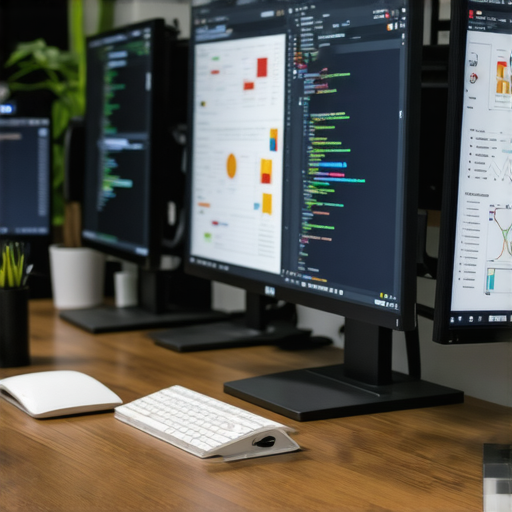
I remember the exact moment I realized my old monitor was holding me back. It was a typical busy Monday, and I was trying to multitask across multiple windows. Suddenly, the colors looked off, my eyes strained, and I felt that nagging frustration creeping in. That lightbulb moment hit me hard — my monitor wasn’t just a screen; it was a bottleneck to my productivity and creative potential. Since then, I’ve been on a mission to find the best dual and color accurate office monitors that can truly elevate how I work, and I want to share that journey with you.
Why settling for less can sabotage your workflow
In my early days, I made the mistake of ignoring color accuracy and display quality. I thought any decent monitor would do. Spoiler: it doesn’t. When you’re working on creative tasks, coding, or even just trying to stay sharp for extended hours, a subpar display can cause fatigue, miscommunications, and frankly, a lot of wasted time. According to a study published by the American Optometric Association, poor monitor ergonomics and display quality can lead to digital eye strain, which affects productivity and health. That’s why investing in the right monitors isn’t just about aesthetics — it’s about your work quality and well-being.
Are high-end monitors worth the investment?
This question haunted me for a while. I feared that all the hype about color accuracy and dual setups might be overblown. But after some trial and error, I discovered that the right tools make a real difference. For instance, a good dual monitor setup can boost productivity by up to 40%, especially when you’re handling complex workflows like coding and design. Plus, color-accurate monitors ensure that what you see on screen matches reality, which is critical for creative professionals. If you’re serious about your work, skimping on display quality just isn’t an option anymore. Curious? Check out my detailed guide on how to choose the perfect office monitor in 2025.
Set Up Your Workspace with Precision
Before diving into selecting monitors, clear your workspace and identify your main tasks. Are you editing images, coding, or juggling multiple applications? This clarity helps determine the essential features you need, like color accuracy or screen size. I once faced a cluttered desk that made it impossible to position my dual monitors correctly. Clearing the space and arranging my monitors at eye level improved my posture immediately and made multitasking more fluid.
Choose the Right Screen Size and Resolution
Opt for a monitor with at least a 27-inch display and 4K resolution for crisp details. Think of it like upgrading from a standard TV to a cinema screen — the increased pixel density enhances clarity and workspace. I tested a 24-inch monitor for a week, but switching to a 32-inch 4K display increased my efficiency by reducing the need to scroll and zoom constantly. For detailed creative work, high-resolution screens are non-negotiable.
Prioritize Color Accuracy and Calibration
Invest in monitors with factory calibration and wide color gamuts like Adobe RGB or DCI-P3. These ensure your colors are true-to-life, which is vital for creative professionals. I remember calibrating my first color-accurate monitor with a colorimeter, which was initially intimidating. After calibration, my photos and designs looked exactly as intended, saving me hours of adjustments later. Regular calibration, at least quarterly, keeps your display consistent.
Set Up Dual Monitors Effectively
Position your primary monitor directly in front of you, with the secondary to the side at a slight angle. Use the dual monitor setup ideas guide to optimize ergonomic placement. I once struggled with a mismatched setup where one monitor was higher and tilted oddly, causing neck strain. Correcting the height and angle of both screens made hours of work more comfortable and improved my workflow.
Align Color Profiles for Consistency
Ensure both monitors use the same color profile. This prevents color discrepancies when dragging windows or switching tasks. I learned this the hard way when my images looked different on each screen, causing confusion. Synchronizing color settings through your operating system’s display preferences or calibration tools keeps everything uniform.
Fine-Tune Settings for Maximum Efficiency
Adjust brightness, contrast, and gamma for your ambient lighting conditions. Use tools like the color calibration guides to get precise settings. I spent an afternoon tweaking my monitors, and the improvement in eye comfort and clarity was immediate. Remember, consistent lighting and calibrated settings reduce eye strain and improve accuracy.
Regular Maintenance and Calibration
Schedule periodic calibration sessions, especially if you work on color-sensitive projects. Keep your monitors clean from dust and fingerprints, which can distort colors and reduce clarity. I set reminders on my calendar to recalibrate every three months, maintaining optimal display performance. For professional work, this habit ensures your color workflow remains precise.
While many believe that the latest technology or the most expensive monitor guarantees the best performance, the reality is often more nuanced. A common misconception is that bigger always means better — but in the context of office monitors, size without proper calibration or ergonomics can lead to discomfort and decreased productivity. It’s essential to focus on the actual needs of your workflow rather than chasing the biggest or most hyped models on the market.
Another widespread myth is that higher resolution automatically translates to better work quality. While 4K and higher resolutions offer stunning clarity, they also demand more from your hardware and can cause scaling issues if your operating system isn’t optimized. For most productivity tasks, a well-calibrated 1440p monitor can deliver excellent clarity without the added complexity or cost of 4K displays. To learn more about choosing the right resolution and avoiding pitfalls, check out my comprehensive guide for 2025.
Why do many overlook calibration and color accuracy?
It’s surprising how often professionals focus solely on hardware specs and ignore calibration. Many assume factory calibration is enough, but in practice, monitors drift in color accuracy over time. Regular calibration ensures your colors stay true, which is vital for creative work or any task where color fidelity matters. Experts recommend recalibrating at least quarterly, especially if your work involves detailed design or photo editing. Don’t fall into the trap of neglecting this crucial step — it can make or break your project quality. Want to ensure your display is always accurate? Visit my color calibration tips.
Lastly, many think that dual monitors are only beneficial for programmers or designers. But in reality, a properly set up dual display can significantly enhance productivity for a range of tasks, from data analysis to content creation. The key is to optimize placement and color profile consistency across both screens. Mismatched setups can cause eye strain and visual fatigue, undermining the very benefits they are supposed to provide. For detailed advice on setting up dual monitors effectively, explore my dual monitor setup ideas.
Remember, investing in the right monitor isn’t just about specs; it’s about understanding how to leverage these features properly. Don’t fall for oversimplified claims or myths that could cost you time, effort, and health. Instead, focus on your specific needs, calibrate regularly, and set up your workspace ergonomically. Have you ever fallen into this trap? Let me know in the comments!
Keeping your office monitors in top shape is essential for sustained productivity and color accuracy. Over time, dust, fingerprints, and calibration drift can compromise display quality, leading to eye strain and inaccurate work. Regular maintenance, including proper cleaning and calibration, ensures your investment continues to deliver optimal results. I personally use a combination of soft microfiber cloths and specialized screen cleaning solutions to gently remove dust and smudges without damaging the display. For calibration, I rely on hardware tools like the X-Rite i1Display Pro, which provides precise color profiling and helps maintain color fidelity across my workspace. These tools have become indispensable as monitor technology advances and standards evolve, especially with the rollout of new wide-gamut displays. Looking ahead, calibration software is trending toward AI-driven auto-calibration, reducing effort and increasing accuracy. To keep your monitors performing at their best over time, I recommend scheduling quarterly calibration sessions and adopting a routine cleaning process. Additionally, always check your monitor’s firmware updates, as manufacturers often release improvements that enhance performance and compatibility. Want to streamline your maintenance routine? Try setting up automatic calibration reminders using software like DisplayCAL, which supports many professional-grade calibration devices. This proactive approach minimizes drift and keeps your workspace reliable and visually consistent. For more detailed tips, visit my contact page or explore dedicated calibration guides. Regular upkeep not only preserves your display quality but also extends the lifespan of your monitors, saving you money and hassle in the long run. Don’t overlook this crucial step—your eyes and your work will thank you. To further enhance your setup, consider investing in monitor hoods and anti-glare filters to reduce reflections and environmental dust, which can impact calibration and clarity. Remember, a well-maintained monitor is the backbone of a productive, creative, and healthy workspace. Start integrating these maintenance habits today and enjoy consistently superb display performance.
The Hardest Lesson I Learned About Office Monitors
One of the biggest surprises on my journey to an optimized workspace was realizing that monitor calibration isn’t a one-time task but an ongoing process. I used to think factory calibration was enough until colors started drifting and eye strain crept in after a few months. The lightbulb moment? Regular calibration, every three months, keeps colors accurate and prevents fatigue, saving me time and frustration in the long run.
3 Myths About Office Monitors That Held Me Back
I used to believe that bigger screens automatically meant better productivity, but size without proper ergonomic setup led to neck pain and discomfort. Another misconception was that 4K resolution is essential for all tasks; in reality, a well-calibrated 1440p monitor often delivers the perfect balance, reducing hardware strain. Lastly, I thought expensive monitors guaranteed quality—until I learned that features like factory calibration and color gamut coverage matter more than price tag.
What Experts Won’t Tell You About Choosing Office Monitors
Many professionals overlook the importance of dual monitor setup ergonomics and color profile consistency. Proper placement and consistent calibration across both screens can drastically reduce eye fatigue and improve workflow. Experts also emphasize the importance of ambient lighting conditions and regular cleaning—simple habits that preserve display quality and extend monitor lifespan. These insights transformed my workspace and boosted my efficiency more than any hardware upgrade.
Curated Tools and Resources to Elevate Your Workspace
My Essential Toolkit for Office Monitors includes the X-Rite i1Display Pro for precise calibration, which I trust for its reliability and accuracy. For ergonomic setup, I rely on the dual monitor setup ideas guide that help me position screens for maximum comfort. To keep my calibration on point, I use software like DisplayCAL, which offers automated reminders and easy profile management. Lastly, reading the best color-accurate monitors guide helped me select displays that match my creative needs perfectly.
Your Turn to Try
Investing in the right office monitor setup isn’t just a technical upgrade; it’s a commitment to your health, efficiency, and creative potential. By applying these lessons and tools, you can transform your workspace into a hub of productivity and comfort. Remember, the key is consistency—regular calibration, ergonomic adjustments, and mindful maintenance will keep your display performance at its peak for years to come. Are you ready to take your workspace to the next level and see the difference it makes? Share your experiences or questions below—I’d love to hear your journey toward the perfect office monitor setup!
Reading this post resonated with my own experience of upgrading from basic monitors to color-accurate, calibrated displays. I used to underestimate the importance of calibration until I noticed differences in color fidelity over time, especially when editing photos or designing graphics. The investment in tools like the X-Rite i1Display Pro truly paid off, not just for color accuracy but also for reducing eye strain during long working hours. What I found particularly impactful was the emphasis on ergonomic setup alongside calibration — a combo that significantly improved my comfort and productivity. For those considering a dual monitor setup, I’d also add that proper placement and consistent display profiles across both screens have made a huge difference for me, especially when switching between tasks. Do others notice a tangible difference in work quality after calibration, or is it more noticeable when working on color-sensitive projects? I’m curious to hear how calibration has changed your workflow.
I completely relate to the sudden realization that my old monitor was a major bottleneck in my workflow. Since switching to a color-accurate, calibrated display, I’ve noticed a significant difference in both my work quality and eye comfort. It’s fascinating how much more precise and consistent your viewing experience becomes when you invest time in proper calibration and setup. I’ve found that regular calibration sessions have become essential, especially when working on detailed design projects where color fidelity is critical. Additionally, ergonomic positioning of my dual monitors has reduced neck strain and improved my focus. What’s your preferred calibration routine? I’d love to hear about the tools or schedules others find effective for maintaining optimal display accuracy over time. I believe these small but vital steps truly enhance productivity and long-term health in a demanding work environment.
Reading about the importance of calibration and ergonomic setup really resonated with my own experience. I used to overlook calibration, thinking factory settings were enough, but over time I noticed color shifts and increased eye fatigue. Since I started using a calibration tool like the X-Rite i1Display Pro and paying more attention to monitor positioning, my workflow has become much more consistent and comfortable. It’s surprising how a slight change in tilt or height can make a huge difference in reducing neck strain and eye strain during long work sessions. Has anyone tried automated calibration software? I’ve been curious if AI-driven tools could make the process even easier and more reliable, especially for those of us juggling multiple monitors. Also, I wonder how often others recalibrate—quarterly, monthly? I’d love to hear what routines work best for different setups and workloads. Ensuring your workspace is optimized really does enhance both productivity and overall well-being.