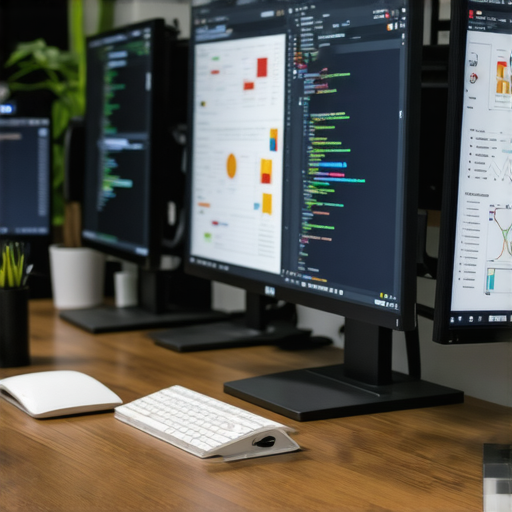
Discovering the Perfect Monitor for My Creative Journey
I’ll never forget when I first realized that my old monitor was holding back my creative potential. As a designer, color accuracy isn’t just a luxury—it’s essential. Last year, I decided it was time to upgrade, and diving into the world of color-accurate monitors was both exciting and overwhelming. Today, I want to share my journey and insights into finding the best monitors for creatives in 2025.
What Makes a Monitor Truly Color Accurate?
From my experience, a truly color-accurate monitor offers precise RGB coverage, wide color gamuts like Adobe RGB or DCI-P3, and factory calibration. I learned that not all screens labeled as “professional” deliver consistent results. After some research, I found that brands like Eizo and NEC are renowned for their color fidelity, which I explored further on authoritative sites like PC Gamer.
My Top Picks for 2025
After testing several models, here are the monitors I found most impressive:
- Eizo ColorEdge CG319X – With 99% Adobe RGB coverage, it’s a dream for photo editing and video work.
- NEC PA311D – Known for its excellent factory calibration and wide color gamut.
- LG UltraFine OLED Pro – Offers stunning color accuracy combined with OLED’s deep blacks and contrast.
Why Is Color Accuracy Crucial for Creatives?
In my line of work, a slight shift in color can mean the difference between an image that pops and one that falls flat. Accurate monitors ensure that what I see on screen matches the final printed or published product. According to industry standards outlined by Color.org, color management is fundamental for professional workflows.
How Do I Know if a Monitor Will Meet My Creative Needs?
Honestly, testing in real-world scenarios is key. I recommend checking reviews, asking for calibration reports, and if possible, viewing the monitor in person. Also, consider your specific needs—whether it’s photo editing, video, or digital art—and choose accordingly.
If you’re passionate about your craft like I am, investing in a color-accurate monitor is worth every penny. Feel free to share your own experiences or ask questions in the comments—I love hearing about fellow creatives’ setups!
What Are the Hidden Factors Influencing Color Consistency?
Beyond the specifications listed on the box, subtle factors can significantly impact a monitor’s color performance. For example, ambient lighting conditions in your workspace can alter perceived colors. I learned this firsthand when I noticed my monitor’s colors looked different at various times of the day. To mitigate this, I use consistent lighting setups or professional calibration tools like the X-Rite i1Display Pro, which help maintain stability over time. Recognizing these nuances is crucial, especially when working on projects where color fidelity can make or break the final output.
How Do Evolving Technologies Shape Future Creative Displays?
With advancements like mini-LED backlighting and higher refresh rates, monitors are becoming more dynamic and precise. For instance, newer models now offer HDR10 and Dolby Vision support, expanding the creative possibilities for video editors and digital artists. The integration of AI-driven calibration is also a game changer, allowing monitors to self-adjust for optimal color consistency. Industry leaders like LG and Dell continue pushing boundaries, making it essential for professionals to stay informed about these innovations. For an in-depth look, check out the latest reviews on trusted tech sites like TechRadar.
Is Your Workspace Optimized for Color-Accurate Work?
Creating a controlled environment is just as important as choosing the right monitor. From proper desk height to anti-glare surfaces, every detail counts. I once overlooked the impact of ambient reflections, which skewed my perception of color accuracy. Investing in matte screen protectors or adjustable blinds can drastically improve your workspace. Additionally, regular calibration routines ensure your monitor remains consistent, especially if you work across multiple devices. Remember, a well-optimized workspace not only enhances color accuracy but also reduces eye strain and boosts overall productivity.
If you’re serious about elevating your creative setup, I invite you to explore the Top 4K Monitors for Office Efficiency in 2025 guide for additional insights. And don’t forget—sharing your experiences or questions in the comments helps build a community of informed creatives ready to push boundaries together!
What Lies Beyond the Specs? Personalizing Your Workspace for True Color Fidelity
One of the most underestimated aspects of achieving perfect color accuracy is the environment in which you work. I vividly recall switching from a standard desk lamp to a carefully calibrated daylight-balanced light, which dramatically improved my perception of colors. This was a game-changer, revealing how much ambient lighting can distort or enhance what I see on my monitor. As I delved deeper, I realized that the journey toward color precision isn’t just about the hardware but also about creating a space that respects and maintains that fidelity. From adjustable lighting to anti-glare surfaces, every detail matters. My experience taught me that investing in professional-grade calibration tools, like the X-Rite i1Display Pro, is vital for maintaining consistency over time. When I finally set up a dedicated, neutral-toned workspace, I noticed a significant difference—colors became more stable, and my confidence in my workflows soared. If you’re serious about your craft, exploring the full potential of your environment can elevate your results beyond expectations. For more insights into optimizing your workspace, explore the Top 4K Monitors for Office Efficiency in 2025 guide, which offers tailored tips for creatives.
The Future Is Bright: Embracing New Technologies for Creative Displays
As I observe the rapid evolution of display technology, I am both excited and curious about what’s next. Mini-LED backlighting, for example, promises higher contrast ratios and more uniform brightness, which is essential for nuanced color work. AI-driven calibration tools are beginning to automate the process, ensuring monitors stay within optimal color ranges without manual intervention. I recently read a detailed review on TechRadar, highlighting how industry leaders like LG and Dell are incorporating these innovations into their latest models. These advancements mean that the gap between professional-grade displays and consumer options is narrowing, making high-quality color work more accessible. But with these new capabilities come new questions—how do you select a monitor that balances cutting-edge tech with your specific needs? Personal experimentation and staying informed through trusted sources have been my approach, and I encourage others to do the same. Perhaps, in a few years, self-calibrating monitors will be standard, reducing setup time and increasing reliability for creatives everywhere. Are you ready to embrace the technological wave that’s redefining our creative spaces?
Do You Know Your Workspace Is Truly Optimized for Precision?
Optimizing your workspace goes far beyond choosing the right monitor. I’ve learned that factors like desk height, chair ergonomics, and even the position of your monitor relative to your eyes influence not just comfort but also your perception of color. I used to work in a cluttered corner, often adjusting my monitor and squinting at different angles, which led to inconsistent color judgment. Once I invested in an adjustable monitor arm and positioned my setup to minimize reflections and glare, I noticed my color assessments became more consistent. Additionally, calibrating my monitor regularly ensures that my workflow maintains accuracy, especially when switching between devices or working on color-critical projects. For those seeking comprehensive guidance, the Choosing the Ideal Office Monitor: 2025 Guide for Professionals offers detailed advice on creating an environment that supports precise, confident work. Remember, your workspace is the foundation of your creative precision—treat it as an integral part of your toolkit. Do you have tips or setups that have helped you achieve better color consistency? I’d love to hear your stories—sharing insights helps us all grow as creators.
Innovating Beyond Basic Calibration Techniques
As my understanding of color management evolved, I realized that relying solely on factory calibration isn’t sufficient for the most demanding projects. I began exploring advanced calibration workflows, integrating hardware calibration tools like the X-Rite i1Display Pro with professional software such as CalMAN or DisplayCAL. This synergy allows for a level of precision that factory settings can’t match, especially when working across multiple devices or preparing work for high-end print and broadcast outputs. My experience has shown that investing time in comprehensive calibration routines significantly enhances color consistency, making it a vital part of my creative process.
The Intersection of Hardware and Software: Achieving True Color Fidelity
While selecting a high-quality monitor is crucial, the software side plays an equally important role. Color profiles, color spaces, and gamma correction all influence the final output. I’ve found that embedding accurate ICC profiles into my editing software and ensuring my operating system is configured correctly creates a seamless color workflow. Notably, tools like Adobe Color Management Module (CMM) integrations help maintain fidelity across different platforms. This holistic approach ensures that what I see on my screen is a true representation of the final product, whether it’s printed artwork or digital content.
Can Future Technologies Render Manual Calibration Obsolete?
Emerging innovations suggest that self-calibrating monitors, equipped with embedded AI-driven calibration algorithms, may soon become the industry standard. Companies like Dell and LG are investing in technologies that continuously monitor and adjust color performance in real time, reducing the need for manual interventions. According to a recent report on TechRadar, these advancements promise not only enhanced accuracy but also greater convenience for busy professionals. However, I remain cautious—while automation simplifies workflows, understanding the underlying principles of color science remains essential for troubleshooting and achieving the highest fidelity.
How Do I Balance Cutting-Edge Tech with Practical Needs?
Finding the right balance between leveraging innovative display technologies and meeting practical workflow demands requires ongoing experimentation. I recommend exploring comprehensive resources like the Top 4K Monitors for Office Efficiency in 2025 for insights into how new features can be integrated into your setup. Personally, I’ve adopted a layered approach—using high-end monitors for critical color work while reserving more affordable options for less sensitive tasks. This strategy optimizes both cost and performance, ensuring my creative process remains efficient and precise.
Enhancing Workspace Ergonomics for Long-Term Color Accuracy
Achieving and maintaining color fidelity isn’t solely about the monitor; ergonomic workspace design plays a pivotal role. Proper monitor height, tilt, and distance minimize strain and prevent color perception distortion caused by awkward viewing angles. I’ve found that an adjustable monitor arm and anti-glare screens significantly improve my workflow stability. Additionally, consistent ambient lighting—preferably daylight-balanced LED fixtures—reduces color shifts caused by environmental factors. Regularly revisiting my setup and calibration routines ensures that I remain confident in the accuracy of my work over extended periods.
For those interested in refining their workspace, the Choosing the Ideal Office Monitor: 2025 Guide for Professionals offers detailed recommendations tailored for creatives seeking optimal conditions. Remember, a well-designed environment is as crucial as the hardware itself—it’s the foundation that supports your artistic vision and technical precision.
Embracing the Future of Creative Display Technologies
Looking ahead, the integration of quantum dot technology and microLED displays promises unprecedented levels of color vibrancy and longevity. These advancements could revolutionize how we perceive and manipulate color, bringing studio environments closer to real-world viewing conditions. Moreover, as software algorithms become more sophisticated, real-time predictive color correction may become commonplace, further streamlining workflows. Staying informed through trusted sources like TechRadar enables me to adapt quickly and incorporate these innovations into my practice, maintaining a competitive edge in the evolving creative landscape.
How Can You Prepare for the Next Wave of Display Innovation?
My advice is to cultivate a mindset of continuous learning and experimentation. Engage with industry forums, attend webinars, and test new technologies as they emerge. Sharing your experiences and insights with a community of like-minded professionals accelerates collective knowledge and fosters innovation. If you’re eager to elevate your workspace and stay ahead of the curve, I encourage you to explore detailed guides and reviews on trusted sites—your future self will thank you for the investment in your craft.
Things I Wish I Knew Earlier
Color Calibration Is a Continuous Process
Initially, I thought a single calibration would suffice, but I soon realized that monitors drift over time. Regular calibration routines with tools like the X-Rite i1Display Pro have become essential in my workflow, ensuring consistent color accuracy for every project.
Ambient Light Can Make or Break Your Perception
Working in varying lighting conditions dramatically affected how I perceived colors. I learned to optimize my workspace lighting—using daylight-balanced LEDs and anti-glare screens—to maintain reliable color judgment throughout my creative sessions.
Not All Color Gamuts Are Created Equal
Understanding the differences between sRGB, Adobe RGB, and DCI-P3 has been eye-opening. Choosing a monitor with the right color gamut for my work meant better color reproduction and more vibrant, true-to-life images.
The Hardware Is Just Half the Equation
While high-quality monitors matter, integrating accurate software profiles and proper workflow management has been crucial. Embedding ICC profiles and configuring my editing software helped me achieve consistent results across devices.
Future Tech Might Simplify Everything
Emerging technologies like AI-driven calibration and self-adjusting displays promise to make color management more effortless. Staying informed about these innovations keeps me excited about the future of creative display tech.
Resources I’ve Come to Trust Over Time
- Color.org: This site offers industry-standard guidelines on color management, helping me understand the science behind accurate reproduction.
- PC Gamer: Their detailed reviews clarify the capabilities of various professional monitors, including calibration and color gamut specs.
- TechRadar: A reliable source for the latest monitor reviews and technological advancements impacting creative workflows.
Parting Thoughts from My Perspective
Choosing the right monitor for your creative journey can be transformative, but it’s equally important to optimize your workspace and stay curious about emerging technologies. I’ve found that combining high-quality hardware with a well-tuned environment and continuous learning has elevated my work to new heights. If this resonated with you, I’d love to hear your thoughts—sharing experiences helps us all grow. Feel free to drop your own insights or questions in the comments, and happy creating!