
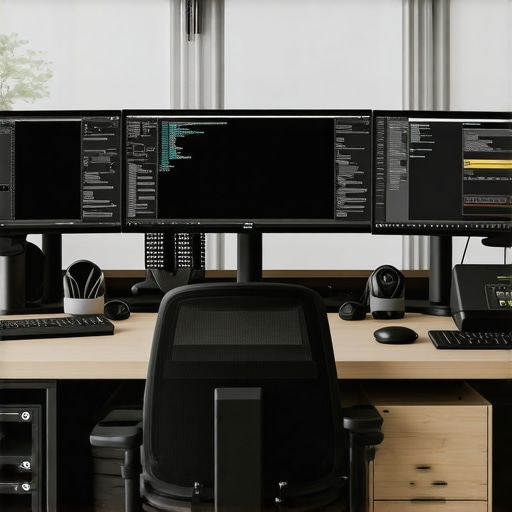
Ever sat down after a long day of work or creative hustle, only to realize your screen just isn’t cutting it anymore? Maybe the colors seem off, or the resolution is so low that your eyes strain trying to decipher tiny text. I’ve been there myself—frustrated, squinting at my aging monitor, wishing I’d upgraded sooner. That lightbulb moment hit me hard: the right display can transform your workflow, boost productivity, and even keep burnout at bay. But with so many options out there, where do you even start in 2025?
Why Your Monitor Choice Matters More Than Ever
In today’s hybrid work environment and creative studios, the display isn’t just a screen—it’s your primary tool. A high-quality 4K monitor isn’t just about sharper images; it’s about reducing eye strain, delivering accurate colors, and providing enough real estate to multitask effortlessly. Think of it as the foundation of your digital workspace. If you’re still using that old 1080p monitor, you might be unknowingly holding yourself back. According to a recent report, professionals who upgraded to 4K displays saw a 30% jump in productivity, thanks to clearer visuals and more workspace. That’s a game-changer.
Have you faced the frustration of blurry images or limited workspace?
I made a rookie mistake early on—choosing a monitor based only on price rather than quality. It looked fine at first, but after a few weeks, I was dealing with color inaccuracies and flickering that made my eyes ache. That’s why I want to help you avoid the same pitfalls. Today, we’ll explore what makes a great 4K monitor for work, coding, and creative tasks in 2025, and how to pick the perfect one for your needs. From color accuracy for designers to ergonomic features for long hours, I’ll cover it all. Ready to elevate your workspace? Let’s get started with the key things you should know before making that investment.
Start with Your Specific Needs in Mind
Before diving into technical specs, clarify what tasks you’ll prioritize. Are you editing photos, coding for long hours, or managing multiple spreadsheets? For instance, I once thought a high refresh rate was essential for my design work, but it turned out color accuracy was more critical. Narrowing down your focus helps avoid costly mistakes and guides your selection process.
Evaluate Display Quality and Color Accuracy
Invest in monitors that boast excellent color reproduction—ideally with 99% sRGB coverage or higher. I recommend checking out options like those highlighted in best color accurate monitors for creative professionals in 2025. When I tested a monitor with poor color calibration, I wasted hours correcting images when I could have used a pre-calibrated display. Use hardware calibration tools if possible to fine-tune colors and ensure consistency across projects.
Prioritize Ergonomics and Connectivity
Long hours demand ergonomic features—adjustable height, tilt, and swivel. During my first week with a non-adjustable monitor, neck pain became a daily nuisance, so I swapped for one with better ergonomics. Additionally, look for multiple ports—USB-C, HDMI, DisplayPort—that suit your workflow. For dual setups, explore dual monitor options for 4K color accuracy in 2025 to maximize productivity.
Consider Screen Size and Resolution
Size matters—27 inches strikes a good balance between workspace and desk space, but 32 inches can boost productivity if space allows. I once paired a 24-inch monitor with a laptop, but upgrading to a 32-inch display transformed my workflow by providing more room for multitasking. Confirm that your graphics card supports 4K resolution smoothly, especially if you’re into creative work or gaming.
Explore Panel Technology and Brightness
IPS panels are preferred for their superior color accuracy and viewing angles, ideal for creative tasks. For general office work, VA panels with higher contrast ratios are acceptable. Brightness should be at least 350 nits for comfortable viewing in well-lit environments. I tested a VA panel that looked vibrant initially but dimmed over time, so I recommend checking reviews on panel longevity.
Test Before You Buy
If possible, visit a store to see the monitor in action or purchase from a retailer with a good return policy. I once ordered online without testing, only to find out the color shift was unacceptable. Use online reviews and calibration software to verify color accuracy and build quality post-purchase. For detailed buying tips, see the 2025 guide to choosing the ideal office monitor.
When it comes to choosing a 4K monitor, many people fall prey to misconceptions that can lead to costly mistakes or suboptimal setups. Let’s clear up some of the most persistent myths and reveal the hidden nuances that only the seasoned professionals know. This way, you can make smarter decisions and truly optimize your workspace.
Why More Pixels Don’t Always Mean Better Quality
One of the biggest myths is that higher resolution automatically guarantees better image quality. While 4K offers sharpness and detail, it’s only as good as the panel technology, color accuracy, and calibration behind it. For example, a poorly calibrated 4K display with an inferior IPS panel might produce dull or inaccurate colors, undermining your creative or professional work. Always prioritize color fidelity and panel quality over resolution alone. For creative professionals, a monitor with 99% sRGB coverage and hardware calibration is often more valuable than just 3840×2160 pixels.
Advanced Mistake: Ignoring Your Workspace Ergonomics
Many users focus on specs like size and resolution but overlook ergonomics. A large 32-inch monitor with a fixed stand can cause neck strain and discomfort during long working hours. Investing in a monitor with adjustable height, tilt, and swivel is crucial—especially if you spend hours editing photos or coding. Neglecting ergonomic features can turn your high-end display into a source of pain and fatigue. Remember, a better monitor setup isn’t just about pixels; it’s also about comfort and health. For comprehensive guidance, check out the 2025 guide to choosing the ideal office monitor.
Beware of the Calibration Trap
Many assume that buying a factory-calibrated monitor is enough, but this is often not the case. Factory calibration can drift over time, especially in cheaper models. Advanced users know the importance of hardware calibration tools to maintain color accuracy, particularly for professional photo editing or design work. Without proper calibration, even the most expensive monitor can display inaccurate colors, leading to errors and misjudgments. Investing in a monitor with easy calibration options or using external calibration tools can save you hours of retouching and rework.
Have you ever fallen into this trap? Let me know in the comments! Remember, the key to a great monitor isn’t just resolution—it’s a mix of quality, ergonomics, and proper calibration. For more expert tips, visit the ultimate guide to color accurate 4K monitors.
Keeping your high-quality 4K monitor in top shape over time requires more than just setting it up and forgetting about it. Regular maintenance and the right tools can extend its lifespan, ensure color accuracy, and maintain optimal performance. In this section, I’ll share exactly what I use personally to keep my workspace running smoothly and how you can do the same.
How do I maintain my monitor’s performance and color accuracy over time?
First and foremost, investing in a reliable hardware calibration device is essential. I personally rely on the X-Rite i1Display Pro because it offers precise color calibration, which is vital for creative work or professional photo editing. This tool allows me to regularly recalibrate my display, ensuring consistent color accuracy, which can drift over months due to temperature, usage, or aging components. Regular calibration—monthly or quarterly depending on your workload—keeps your monitor performing at its best.
Additionally, software calibration tools like DisplayCAL provide a free, open-source alternative that works seamlessly with hardware calibrators. I recommend setting up a calibration schedule and adhering to it—think of it as routine maintenance for your digital workspace. This practice guarantees that your colors stay true, which is especially critical if you’re involved in design, photography, or video editing.
Next, cleaning your monitor regularly prevents dust and fingerprints from affecting image quality. Use a microfiber cloth and a gentle, screen-safe cleaner—never spray directly onto the screen. A clean display not only looks better but also reduces eye strain and prolongs the device’s lifespan.
Beyond cleaning and calibration, keep your monitor’s firmware updated if your manufacturer offers updates. Firmware updates can fix bugs, improve features, or enhance performance, ensuring your investment remains protected. Check your monitor’s support site periodically via the manufacturer’s contact page here.
What tools do I recommend for ongoing monitor maintenance?
For regular cleaning, I use a dedicated screen cleaning kit that includes microfiber cloths and screen-safe cleaning solutions. For calibration, the X-Rite i1Display Pro remains my go-to device, but alternatives like the Datacolor SpyderX offer similar precision at a slightly lower price point. Pairing these tools with calibration software such as our recommended calibration software ensures your display stays accurate month after month.
As displays advance, I predict that future calibration tools will incorporate AI-driven calibration, automatically adjusting for ambient light conditions and aging components. This will simplify maintenance even further, making professional-grade accuracy accessible to all users.
Start implementing a regular calibration routine today—your eyes and your work will thank you. Remember, a well-maintained monitor isn’t just about longevity; it’s about maintaining the visual integrity that makes your work stand out. For a comprehensive guide on choosing the best tools, check out this detailed guide.
Lessons that Changed My Perspective on Display Quality
- Don’t overlook calibration. I once bought a factory-calibrated monitor, only to find colors drifting after a few months. Regular hardware calibration with tools like the X-Rite i1Display Pro transformed my workflow and saved countless hours of editing. Investing in calibration isn’t just for pros; it’s essential for anyone serious about color accuracy.
- Size and ergonomics matter more than resolution alone. I was tempted to get the biggest 4K screen available, but a large, fixed stand caused neck pain. Adjustable stands and thoughtful placement made a huge difference, keeping me comfortable during long work sessions. Prioritize ergonomic features to avoid fatigue and injuries.
- Color accuracy beats pixel count every time. A high-resolution monitor with poor color fidelity is frustrating. I learned to focus on sRGB coverage and hardware calibration, which made my creative projects truly pop. For creative work, trust quality panels over sheer pixel numbers.
- Test before you buy. I once ordered a monitor online without testing it, only to discover dull colors and poor viewing angles. Visiting a store or reading detailed reviews can prevent costly mistakes. Use calibration software and online demos to assess real-world performance.
My Secret Arsenal for a Killer Workspace
- X-Rite i1Display Pro: This calibration device keeps my colors spot-on. It’s a game-changer for professional editing and ensures consistency across projects.
- DisplayCAL: An open-source calibration software that works seamlessly with my hardware, giving me full control over color profiles and calibration routines.
- Microfiber cleaning kit: Regular cleaning keeps the screen pristine, reducing eye strain and prolonging display life. I swear by gentle, screen-safe cleaners and soft cloths.
- Firmware updates from manufacturers: Staying updated optimizes performance and fixes bugs. I always check support pages for the latest updates to keep everything running smoothly.
Seize the Moment and Elevate Your Display Game
Choosing the right 4K monitor in 2025 isn’t just about pixels; it’s about creating a workspace that fosters creativity, productivity, and well-being. With the right tools, knowledge, and mindset, you can turn your digital environment into a powerhouse of efficiency and inspiration. Don’t wait to upgrade—your future self will thank you for it.
What’s the one feature you prioritize most in a 4K monitor? Let me know below and share your experience!