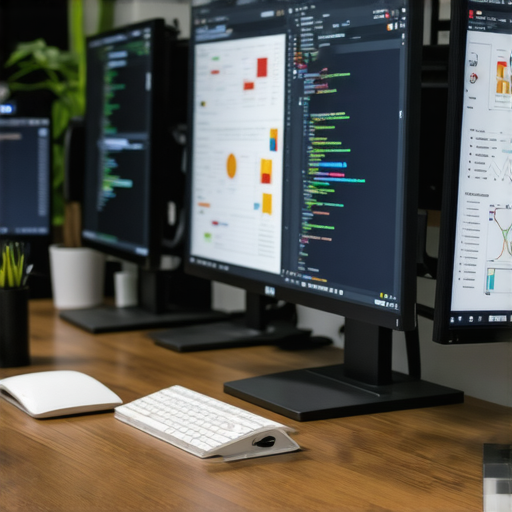
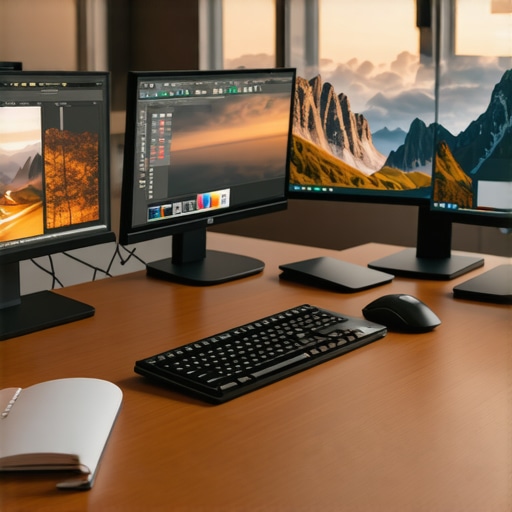
Have you ever stared at your screen, feeling frustrated because the colors seem off, the resolution isn’t sharp enough, or your workspace just doesn’t inspire productivity? I’ve been there. I remember spending hours tweaking settings, trying to get my monitor to show true colors, only to realize I’d bought the wrong one for my needs. That lightbulb moment hit me hard—if I want to work smarter, I need the right tools, especially when it comes to monitors.
Why Your Monitor Choices Make or Break Your Productivity
In 2025, the demand for high-quality monitors has skyrocketed. Whether you’re a creative professional, a coder, or simply someone who spends hours at their desk, the right monitor can genuinely transform how you work. But with so many options flooding the market—4K resolution, color accuracy, curved screens, dual setups—it’s easy to get overwhelmed. I’ve learned that choosing a monitor isn’t just about specs; it’s about aligning what it offers with what you need to accomplish.
For instance, I used to think that a higher refresh rate meant better productivity. Turns out, for most of us, color accuracy and resolution are the real game-changers. A study from TechRadar highlighted that 4K monitors can boost productivity by up to 30%, mainly due to increased workspace and sharper visuals. That’s a game-changer for anyone serious about their work.
If you’ve ever bought a monitor based just on reviews or price without considering your actual work needs, you’re not alone. I made that mistake early on—trusting the hype without digging into features that matter. Now, I focus on finding a monitor that offers true-to-life colors and crisp details, making my workflow smoother and more enjoyable.
So, today, I’ll help you cut through the noise. We’ll explore what makes a top monitor in 2025, how to avoid common pitfalls, and what features are must-haves for your specific tasks. Ready to upgrade your workspace and boost your productivity? Let’s dive into the essentials of choosing the perfect monitor for your needs.
What This Post Will Cover
We’ll look at the latest models that combine 4K resolution with stunning color accuracy, discuss dual monitor setups to maximize your workspace, and share practical tips to make sure your investment truly pays off. If you’re tired of eye strain, blurry images, or simply want a workspace that inspires you, stick around. The right monitor isn’t just a luxury—it’s a productivity powerhouse waiting to be unlocked.
Is All the Hype About 4K and Color Accuracy Justified?
Many people wonder if the high-end monitors are worth the extra cost. I’ll be honest—early in my journey, I bought a 4K monitor that looked impressive but lacked true color accuracy. The result? Colors that looked off, causing me countless hours of frustration. It was only after I learned to prioritize color calibration and resolution that my work improved significantly. If you’ve faced similar doubts, you’re in good company. We’ll cover how to avoid these pitfalls and pick a monitor that truly enhances your productivity.
Prioritize Your Workspace Needs
Start by assessing what you really need from a monitor. Are you editing photos or videos that demand precise color? Or are you mainly coding and browsing? I once bought a high-end 4K monitor with vibrant colors but ignored its calibration options. The result was a beautiful display that still showed inaccurate colors, frustrating my creative workflow. To avoid this, focus on models that offer factory calibration or easy color adjustment options. Check reviews on color accuracy to find the best fit for your tasks.
Choose the Right Panel Technology
Panel type impacts color fidelity and viewing angles. IPS panels are renowned for their superior color reproduction and wide angles, making them ideal for creative work or dual setups. TN panels, while cheaper and faster, sacrifice color quality. I remember testing a TN panel for a dual setup and noticing duller colors, which hindered my editing precision. For seamless color consistency, opt for IPS panels. For detailed comparisons, visit top IPS monitors.
Calibrate Your Display Effectively
Calibration is crucial for true-to-life colors. Use hardware calibration tools like Datacolor SpyderX or X-Rite i1Display to fine-tune your monitor. I once skipped calibration after purchase, relying solely on factory settings, and faced inconsistent colors across work sessions. After calibration, my images and videos looked consistent and professional. Remember to recalibrate periodically, especially if your monitor is used heavily or in varying lighting. For guidance, check calibration tips.
Adjust Resolution and Refresh Rate
For clarity and smoothness, aim for 4K resolution (3840×2160). It provides sharp images and ample workspace. When I upgraded to a 4K monitor, I also set the refresh rate to 60Hz for general work or 144Hz if you game or do fast-moving tasks. Higher refresh rates can reduce eye strain and improve responsiveness. To optimize your settings, go into your OS display settings or use manufacturer software. For dual or multi-monitor setups, explore dual setup ideas.
Implement Dual Monitors for Maximum Efficiency
Two monitors can dramatically boost productivity, especially for multitasking. I experimented with a dual setup, placing my creative work on one screen and reference materials on the other. It required proper alignment and calibration to ensure consistent color and resolution. When I used dual color-accurate monitors, the transition was seamless. Position your monitors at eye level and consider ergonomic adjustments to reduce fatigue. This setup is particularly beneficial for coding, design, and video editing.
Conclusion
Choosing a monitor with the right 4K resolution and accurate colors involves understanding your workflow and investing in calibration tools and high-quality panels. By selecting models that meet your specific needs—whether creative or professional—you can significantly enhance your productivity and work quality. For a curated list of top monitors, visit top 4K monitors and color-accurate options. Remember, the right display isn’t just about tech specs; it’s about aligning with your work demands and ensuring your workspace truly empowers you.
While many enthusiasts focus on specs like 4K resolution or color accuracy, there’s a layer of nuance that often gets overlooked—one that can significantly impact your experience and productivity. Let’s dig deeper into what most people get wrong about choosing and setting up monitors.
Why Higher Resolution Isn’t Always Better
Many assume that bumping up to a 4K display automatically means better productivity. However, without proper scaling and hardware support, higher resolutions can lead to UI elements appearing tiny, forcing you to strain your eyes or sacrifice workspace clarity. MacOS and Windows have made strides, but it’s essential to ensure your GPU can handle 4K smoothly. Otherwise, you risk sacrificing responsiveness and eye comfort. For most professional workflows, a 1440p monitor with excellent color accuracy often hits the sweet spot, especially if your hardware is mid-range. Check out this guide to see which resolutions suit your setup best.
Misconception About Color Calibration and Factory Settings
Many believe that factory calibration guarantees accurate colors. In reality, factory settings are a baseline, not an end-all solution. Monitors can drift in color accuracy over time, especially with heavy use. Hardware calibration tools like Datacolor SpyderX or X-Rite i1Display are often underutilized because users assume their monitors are ‘good enough.’ But calibration isn’t a one-time fix; periodic recalibration is necessary to maintain color fidelity, especially if you’re doing creative work. Failing to calibrate properly can lead to color mismatches between your monitor and printed outputs or other devices, causing costly rework or miscommunication. Read more about calibration tips here.
Don’t Fall for the Dual Monitor Setup Trap
It’s tempting to just buy two monitors and call it a day, but the setup quality matters more than quantity. Many get dual monitors with mismatched panels, resolutions, or color profiles, leading to a jarring visual experience. This mismatch can cause eye strain and reduce productivity rather than enhance it. For seamless workflows, ensure both monitors are calibrated to match in color and brightness, and ideally, use the same model or panel type. Ergonomics also matter—improper placement can lead to neck and eye fatigue. For detailed ideas on how to optimize dual setups, explore these tips.
Are You Overlooking Response Time and Refresh Rate?
While these specs are often associated with gaming, they also affect everyday productivity, especially during fast scrolling or when working with high-refresh-rate video. A common mistake is ignoring the importance of response time, which impacts ghosting artifacts and visual clarity. For tasks like video editing or fast-paced data analysis, a monitor with a 120Hz or higher refresh rate and low response time can reduce eye strain and improve accuracy. Remember, your GPU must support these features for them to be effective. For advice on matching your refresh rate to your workflow, check this detailed comparison.
In conclusion, many of the myths about monitors revolve around the idea that more is always better. But understanding the nuances—like calibration, hardware support, and ergonomic setup—can make a decisive difference. Have you ever fallen into this trap? Let me know in the comments. For tailored advice, you can always reach out.
How do I maintain my monitor over time?
Keeping your monitor performing at its best requires regular care and the right tools. I personally use a hardware calibration device like the Datacolor SpyderX to ensure consistent color accuracy, especially after a few months of heavy use. Regular calibration is essential because monitors can drift in color and brightness over time, impacting your work quality. Setting a reminder every three to six months to recalibrate helps maintain the visual fidelity necessary for creative projects or detailed coding work. Additionally, cleaning your screen with a microfiber cloth and avoiding harsh chemicals preserves the display surface and prevents damage. For physical maintenance, ensure your monitor is placed in a dust-free environment and kept away from direct sunlight, which can cause uneven wear and tear.
Tools I recommend for optimal monitor performance
Beyond calibration devices, I rely on software tools like DisplayCAL and the monitor’s built-in settings to fine-tune color profiles. DisplayCAL is an open-source application that works seamlessly with calibration hardware, offering detailed control over color settings and profiles. Using these tools, I can create a custom color profile tailored to my workspace lighting conditions, ensuring color consistency across different devices. For managing multiple monitors, I use software like DisplayFusion, which simplifies window management and helps align color profiles across screens. These tools are invaluable for maintaining a professional workflow, especially when working on color-sensitive projects.
Future trends in monitor upkeep and scaling
Looking ahead, I predict that monitor calibration and maintenance will become increasingly automated. Manufacturers are developing integrated calibration sensors that automatically adjust settings based on ambient light and usage patterns, reducing the need for manual intervention. As software advances, expect smarter tools that learn your preferences and optimize display performance continuously. To scale your setup effectively, consider investing in professional-grade monitors with factory calibration and hardware calibration support. As your workspace grows, maintaining a consistent visual environment will be key, and leveraging these emerging technologies will make long-term upkeep easier and more reliable.
Try setting up a periodic calibration routine with your current tools—it’s a small step that can significantly improve your work quality over time. For personalized advice on maintaining your monitor setup, feel free to reach out here.
The Hardest Lesson I Learned About Choosing Monitors for Productivity
One of the biggest mistakes I made early on was thinking that more pixels automatically meant better work. It wasn’t until I realized that proper calibration and hardware support are crucial that my workflow changed dramatically. Don’t assume that a shiny 4K display is enough—consider your hardware compatibility and calibration needs first.
3 Myths About Monitors That Held Me Back
I used to believe that factory calibration was enough, that dual monitors always double your productivity, and that higher refresh rates are essential for all tasks. Breaking free from these myths helped me select monitors that truly fit my needs—factoring in color accuracy, ergonomic setup, and calibration routines. These lessons can save you time and money.
What Experts Won’t Tell You About Maintaining Monitor Performance
Many overlook the importance of regular calibration and physical care. I learned that periodic recalibration with tools like the Datacolor SpyderX keeps colors consistent, and simple cleaning routines extend the lifespan of your display. Staying proactive about maintenance ensures your monitor remains a productivity powerhouse for years to come.
My Essential Toolkit for Optimizing Your Monitor Experience
I’ve come to trust hardware calibration tools like the X-Rite i1Display and software solutions like DisplayCAL. These help me maintain color fidelity and smooth workflow. For ergonomic management, I rely on adjustable stands and software like DisplayFusion. These tools are my secret weapons for a consistent and comfortable workspace.
Your Turn to Try Improves Your Workflow Today
Investing time in understanding your monitor’s capabilities and maintenance routines can transform your work quality and comfort. Remember, the right display setup is a long-term asset—don’t skimp on calibration and ergonomics. Ready to elevate your workspace and boost productivity? Share your current monitor challenges below and let’s troubleshoot together!
Reading this post really resonated with my own struggles before upgrading to a high-quality monitor. I used to rely solely on factory calibration, but as you mentioned, it often wasn’t enough for precise color work. I invested in a good calibration tool, and the difference was night and day, especially for photo editing. What has been your experience with automatic calibration features built into newer monitors? Do they hold up well over time, or is manual calibration still the gold standard? I’m curious because incorporating smart features sounds promising, but I want to be sure it doesn’t compromise long-term accuracy. Also, I’ve found that ergonomic setup plays a huge role—having the monitor at eye level and using adjustable stands really makes a difference in reducing eye strain during those long work sessions. How do you recommend balancing monitor quality with ergonomic comfort? Would love to hear more personal tips on maintaining productivity and comfort over extended periods.