Have you ever stared at your screen, feeling frustrated because the colors just don’t seem right? I’ve been there, squinting at my monitor and wondering if I was missing something in my workflow. It was that lightbulb moment when I finally realized that my old display was holding me back—not just in color accuracy, but in overall productivity and creative precision. That’s when I knew I had to upgrade. The good news? Today, I want to share how choosing the right 4K & color accurate monitor can transform your creative projects and streamline your workflow.
Why Picking the Right Monitor Is More Critical Than Ever in 2025
In 2025, technology has moved faster than ever. Creative professionals—whether you’re designing, photo editing, video editing, or coding—need displays that keep up. The difference between a good monitor and a great one isn’t just about sharpness or size. It’s about color fidelity, resolution, and how faithfully your screen reproduces your work. A poor display can lead to misjudging colors, wasting time on edits, and ultimately producing subpar results. And let’s be honest: in a competitive market, that’s a risk you can’t afford.
Recent studies show that inaccurate color representation can cause up to 30% more revisions, which drags out projects and drains resources. That’s why so many professionals are investing in high-quality displays—like those featured in our top color accurate monitors for 2025. They aren’t just luxury; they’re a necessity for anyone serious about their craft.
Have you faced the frustration of seeing your work look different on different screens?
Early in my career, I made a big mistake: I bought a cheaper monitor, assuming resolution and size alone would do the trick. Turns out, that was a costly error. Colors looked vibrant on my monitor but dull outside of it. That mismatch meant more adjustments, more guesswork, and a lot of wasted time. Since then, I’ve learned that investing in a monitor with true color accuracy and 4K resolution isn’t just a luxury—it’s a game-changer.
In this post, I’ll walk you through how to select the perfect monitor for your needs, including practical tips and recommendations. Whether you’re upgrading your workspace or starting fresh, understanding what to look for will save you headaches and help you produce your best work. Ready to find out how to elevate your creative setup? Let’s dive into the key features that matter most in 2025.
Calibrate Your Workspace for Precision
Start by calibrating your monitor to ensure accurate color reproduction. Use professional calibration tools like a colorimeter or software calibration to match a standard color profile. When I first calibrated my monitor, I was surprised how much the colors shifted—what looked vibrant was actually off by several shades. After calibration, my edits became more consistent, saving me hours of rework. Regular calibration, ideally monthly, keeps your display true to life.
Prioritize Color Gamut and Accuracy
Choose a monitor that covers at least 99% of AdobeRGB or DCI-P3 color spaces. Think of color gamut as the palette of colors your monitor can display—wider gamut means richer, more accurate colors. I once upgraded to a monitor that offered 100% sRGB and 98% DCI-P3, which made my photo edits pop and matched prints more precisely. When shopping, look for specifications that highlight color coverage and factory calibration reports.
Opt for 4K Resolution for Detail Clarity
4K resolution is like upgrading from a standard to a high-definition camera—every pixel adds clarity. I tested a 4K monitor for my video editing, and the difference was night and day. Text and fine details became crisp, reducing eye strain and boosting productivity. For creative work, a 4K display allows you to see every nuance without zooming or squinting. Check the resolution specs and ensure your hardware can handle 4K workflows seamlessly.
Understand Panel Types and Their Impact
IPS panels are your best friends for color accuracy and wide viewing angles, akin to looking at a painting from different sides without distortion. I switched from a TN panel to IPS, and my color consistency improved drastically. Avoid cheaper VA or TN panels if color fidelity is your priority. When selecting a monitor, verify the panel type and read reviews about color consistency across different viewing angles.
Assess Connectivity and Ergonomics
Ensure the monitor has multiple ports—USB-C, HDMI, DisplayPort—to connect all your devices effortlessly. Ergonomics matter; adjustable height, tilt, and swivel features help prevent neck strain during long sessions. I once bought a monitor without height adjustment, which caused discomfort after a few hours. Check the product specs or visit this guide for detailed ergonomic considerations.
Consider Dual or Larger Setups for Workflow Efficiency
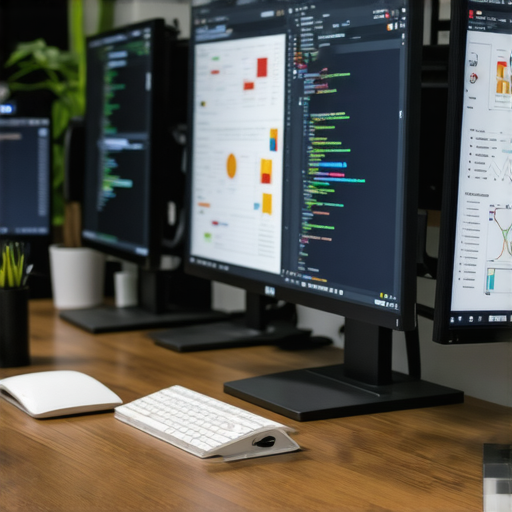
For multitasking, a dual monitor setup or ultrawide screen can boost productivity by 30-50%. I set up a dual 4K monitor configuration, and it transformed my workflow—coding on one screen, referencing on the other. For ideas and inspiration, explore dual monitor setup ideas. Keep in mind, matching color profiles across both screens is crucial for seamless work.
Regularly Review and Update Your Setup
Technology evolves fast. Periodically review your monitor’s performance and consider upgrades if color accuracy or resolution drops. I replaced my aging monitor last year after noticing color shifts and lag. Staying current ensures your work remains professional and accurate. When in doubt, consult with experts at contact us for tailored advice.
Many professionals assume that simply buying the most expensive or latest 4K monitor guarantees color accuracy and workflow efficiency. However, this misconception can lead to costly mistakes. Let’s dig deeper into what most people get wrong about selecting and using high-end displays, and how to truly optimize your setup for professional quality.
Why the Myth That Higher Price Means Better Accuracy Is Flawed
It’s tempting to believe that the most expensive monitor will automatically offer the best color fidelity and resolution. In reality, many premium models focus on high contrast ratios or flashy features that might not serve your creative needs best. For example, a monitor with a high refresh rate or HDR support isn’t necessarily calibrated for color accuracy right out of the box. Always look for factory calibration reports and coverage of color spaces like AdobeRGB or DCI-P3, rather than just price tags. For a comprehensive overview, check out our top color accurate monitors for 2025.
The Oops Factor: Overlooking Calibration and Maintenance
Many users skip regular calibration, assuming that their monitor’s factory settings are sufficient. This is a critical mistake. Even the most accurate monitor can drift in color reproduction over time due to temperature changes and aging components. Regular calibration with tools like a colorimeter ensures your display remains true to the standards you need. I learned this the hard way when my color profiles became inconsistent, forcing me to redo my edits. Remember, calibration isn’t a one-time fix; schedule it monthly for best results. You can get guidance on calibration routines from our comprehensive setup guide.
Advanced Insight: The Impact of Panel Type and Viewing Angles
Many assume that all IPS panels are created equal in terms of color accuracy. While IPS is generally superior for color fidelity and wide viewing angles, not all IPS panels are calibrated equally. Some cheaper models may have inconsistent color shifts when viewed at different angles, which can cause headaches during multi-monitor setups. For professional workflows, always verify panel uniformity and whether the manufacturer provides calibration reports. This nuance can make the difference between a seamless workflow and constant adjustments. To learn more about optimizing your display setup, explore our dual monitor recommendations.
Have you ever fallen into this trap? Let me know in the comments. Remember, choosing the right monitor is just the beginning—regular maintenance and understanding the nuances of display technology are key to truly professional results.
Maintaining your high-end monitors, especially those used for creative work, is crucial to preserve their color fidelity and overall performance over time. I rely on specific tools and routines that help me ensure my setup remains calibrated and effective, even as technology evolves. In this section, I’ll share my personal experience with the tools I use and how they help me keep my workspace running smoothly.
How do I maintain my monitor’s color accuracy over time?
The first step I take is regular calibration, which is vital to ensure that my colors stay true to the standards I need. I use a hardware calibration tool called the X-Rite i1Display Pro. This device is precise, reliable, and easy to use. I connect it to my computer and run calibration software that guides me through the process. This routine takes about 10 minutes but makes a significant difference in maintaining consistent color profiles. I calibrate at least once a month, especially when I notice shifts or after moving my setup to different lighting conditions.
Alongside hardware calibration, I also use software solutions like DisplayCAL, an open-source calibration utility that works seamlessly with my colorimeter. It allows me to create custom profiles, check for drift, and verify color accuracy over time. This combination of hardware and software gives me confidence that my monitor remains within the professional standards required for my creative projects.
Investing in dual setups for productivity and consistency
Having a dual monitor setup can maximize efficiency, but it also introduces challenges in maintaining consistent color across screens. To address this, I ensure both monitors are calibrated together using the same tools and profiles. For example, I use dual monitor calibration guides to synchronize color settings. Matching color profiles and brightness levels across both screens minimizes discrepancies, which is essential if you’re doing color-sensitive work like photo editing or video grading.
What about long-term hardware health?
Over time, monitors can develop issues like backlight degradation or pixel drift. To catch these early, I periodically run diagnostic tests, which some calibration software includes. Additionally, I keep my workspace lighting consistent and avoid exposing my monitors to direct sunlight or extreme temperatures, which can accelerate aging. When my monitor shows signs of significant color shift despite calibration, I consider a replacement or professional servicing to ensure my work remains accurate.
Looking ahead, I believe that advances in self-calibrating displays and AI-driven color management will make maintenance even easier in the future. For now, sticking to proven tools like the X-Rite i1Display Pro and routine calibration routines remains the most reliable method. I highly recommend trying out a hardware calibration device if you haven’t already—it’s the best way to keep your monitor working at peak performance for years to come.
For detailed guidance on calibration routines and choosing the right tools, visit our comprehensive setup guide.
The Hardest Lesson I Learned About Choosing a Creative Monitor
One of the biggest eye-openers in my journey was realizing that not all high-end monitors are created equal. I once invested in a top-tier display based solely on specs, only to find out that factory calibration was off, leading to inaccurate colors that compromised my work. The lesson? Always demand calibration reports and test the monitor yourself before committing.
3 Myths About 4K Monitors That Held Me Back
For years, I believed that 4K resolution alone would guarantee sharpness and workflow efficiency. Turns out, without proper color gamut and calibration, 4K is just a number. The real magic happens when you pair 4K with wide color spaces like AdobeRGB or DCI-P3 and keep your display calibrated regularly.
What Experts Won’t Tell You About Maintaining Your Creative Display
Many assume that buying a great monitor is enough. I learned that ongoing maintenance—like monthly calibration using tools such as the X-Rite i1Display Pro—is critical to keep colors true over time. Regularly checking and adjusting your display can save countless hours of rework and frustration.
My Essential Toolkit for Color-Accurate Creative Work
- X-Rite i1Display Pro: My trusted device for precise calibration, ensuring my colors stay consistent across projects.
- DisplayCAL Software: An open-source tool that helps me create custom profiles and verify color accuracy.
- Calibrated Dual Monitors: I always calibrate both screens together using the same profiles to maintain seamless workflow and color consistency.
Your Turn to Elevate Your Creative Setup
Choosing the right monitor with true color accuracy and 4K resolution is a game-changer for your creative projects. Remember, ongoing calibration and understanding your display’s nuances are key to professional results. Don’t settle for less; invest in your craft today and watch your work reach new heights.
What has been your biggest challenge in selecting or maintaining a high-quality monitor? Share your experiences below—I’d love to hear your story!