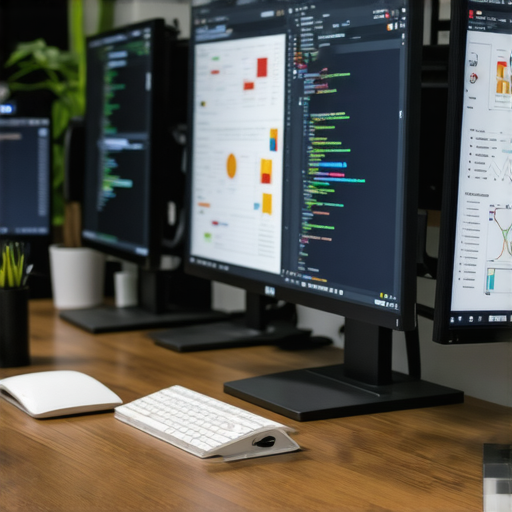
Ever sat down at your desk, fired up your old monitor, and felt that sinking disappointment when the screen flickers or colors look washed out? I’ve been there. The frustration of battling with a subpar display, trying to focus or craft something beautiful, only to be held back by technology that just doesn’t keep up. That lightbulb moment hit me hard: upgrading to a high-quality 4K monitor isn’t just a luxury anymore — it’s a game-changer for productivity and creative work. If you’ve ever wondered why your workflow feels sluggish or why your creative projects don’t pop like they should, I’m here to tell you that the right monitor can make all the difference. Today, I’ll help you cut through the noise and find the best 4K monitors for 2025 that truly deliver.
Why Upgrading to a 4K Monitor Is a Must in 2025
Let’s be honest. Working on a low-resolution display in 2025 feels like trying to read fine print through a foggy window. The clarity, color accuracy, and real estate you get from a 4K monitor are simply unmatched. It’s no longer about just having a sharp image; it’s about creating an environment where your eyes aren’t strained, and your workflow flows seamlessly. According to a recent study by TechRadar, high-resolution monitors can boost your productivity by up to 30%, mainly because they allow you to multitask more efficiently and see more details at a glance. That’s a huge difference when deadlines are tight and creative precision matters. I remember my early days of trying to work with a 1080p screen—things looked fine until I started handling detailed graphic design or coding. The eye strain was real, and I kept zooming in and out, wasting precious time. Upgrading to a 4K display was a revelation. No more squinting or toggling between windows—I could see everything clearly, and my work improved instantly. If you’re tired of feeling like your current monitor is holding you back, it’s time to consider an upgrade. Curious about how to choose the perfect 4K monitor? Check out our comprehensive guide on choosing the ideal office monitor.
Is 4K Really Worth the Hype for Your Workflow?
Back in the day, I made the mistake of thinking that all 4K monitors were the same. Spoiler alert: they aren’t. I bought a seemingly decent 4K display, only to realize it lacked color accuracy or had poor ergonomics. That mistake cost me time and money. The truth is, not all 4K monitors are created equal, especially if you’re into creative work or need precise color reproduction. But, when you find the right one, it’s like upgrading from a bicycle to a sports car. The clarity and detail make your work more enjoyable, and your output more professional. If you’ve ever hesitated because of price or skepticism—trust me, the benefits outweigh the costs. Want to see what’s possible? Explore our top picks for best 4K monitors for office efficiency and color-accurate options for creatives. Ready to ditch that outdated screen and elevate your workspace? Let’s get started.
Are you tired of the same old screen holding back your productivity? Do you feel like your creative projects deserve more detail and vibrancy? If so, keep reading—because I’ll walk you through everything you need to know to pick the perfect 4K monitor for 2025.
Start with Your Workflow Goals
Before diving into specs, clarify what you need from a 4K monitor. Are you editing photos, coding, or multitasking across multiple apps? I once bought a high-resolution display for photo editing, only to realize I neglected color accuracy, which made my work look off when printed. Define your priorities: resolution, color accuracy, size, or dual setup? This initial step saves time and money.
Prioritize Display Quality and Size
Think of your monitor as your workspace window. A larger screen—27 inches or more—gives you room to spread out windows, much like a spacious desk. When I upgraded from a 24-inch to a 32-inch 4K monitor, my productivity shot up because I could see more detail without zooming or toggling windows. For creative tasks, look for panels with high color fidelity, like IPS or Nano IPS technology, which mimic real-world colors better than TN panels.
Choose Between IPS and VA Panels
IPS panels are like having a window with clear glass—colors stay accurate from different angles. VA panels offer richer blacks but can sometimes have slower response times. For office work and color-critical tasks, IPS is usually the best choice. If you’re into gaming or watching movies, VA might enhance your experience, but for productivity, clarity and color accuracy matter more.
Set Up for Efficiency and Comfort
Once you pick your monitor, ergonomics are key. Adjust height, tilt, and swivel so your eyes are level with the top third of the screen. I learned this the hard way—my neck ached after hours of looking down. A dual setup can boost productivity by 20-30%, especially for coding or design work. Check out our dual monitor setup ideas for inspiration.
Color Calibration and Software Tools
Don’t trust factory settings—calibrate your monitor using tools like a colorimeter. I started with default settings, which made images look dull. After calibration, colors popped, and my edits became more precise. For creative professionals, high color accuracy and calibration are non-negotiable. See our recommendations for color-accurate monitors.
Connection and Compatibility Checks
Ensure your PC’s graphics card can handle 4K at the desired refresh rate—usually 60Hz or higher for smoother motion. HDMI 2.1 or DisplayPort 1.4 are common standards. I once bought a monitor with HDMI 2.0, which limited my experience. Confirm your setup supports the necessary ports and resolutions to avoid frustration.
Testing Before Final Purchase
Always test your monitor in-store or buy from a retailer with a good return policy. Check for dead pixels, uniformity, and color consistency. When I tested a monitor at a local store, I noticed slight backlight bleed, which would have bothered me during long work sessions. Knowing this upfront helped me make an informed choice.
Many professionals believe that simply opting for the highest resolution or the largest screen automatically guarantees better productivity. However, this is a misconception that can lead to costly mistakes. For instance, some think that a 4K monitor with a high refresh rate is the perfect choice for all tasks. But in reality, if your graphics card isn’t equipped to handle high-resolution output smoothly, you might experience lag and stuttering, which hampers efficiency. It’s crucial to match your hardware capabilities with your monitor’s features—otherwise, you’ll end up frustrated and underperforming. To avoid this trap, always verify your system’s compatibility before investing in a high-end display. For a comprehensive review, explore our article on best 4K office monitors for accurate color and smooth workflow.
Are Dual Monitors Truly the Ultimate Productivity Hack?
Contrary to popular belief, dual monitors don’t automatically double your productivity. Many users set up dual screens only to discover that poor arrangement or mismatched resolution creates more chaos than clarity. For example, if one monitor is significantly smaller or has different color calibration, it can cause eye strain and visual inconsistency, reducing efficiency. Moreover, managing multiple windows across mismatched screens can become overwhelming, especially if your workflow involves frequent switching. The key is to ensure both monitors are calibrated to match in color and resolution, and configured ergonomically. A well-planned dual setup can boost productivity by up to 30%, but only if you avoid these common pitfalls. For ideas on optimal configurations, check out ultimate guide to dual productivity office monitors for coding in 2025.
Don’t Overlook the Importance of Color Accuracy for Creative Work
Many people assume that a high-resolution monitor is enough for creative tasks like photo editing or design. However, neglecting color accuracy can severely undermine your work quality. A common mistake is buying a 4K monitor with a high refresh rate but poor color fidelity. This leads to images that look vibrant on your screen but print or display differently on other devices. Even more, calibration is often overlooked, which can result in inconsistent color rendering. Experts recommend choosing monitors with hardware calibration options and wide color gamuts, like Adobe RGB or DCI-P3. This ensures your work remains consistent across different platforms and outputs. For detailed recommendations, visit best color accurate monitors for creative professionals in 2025.
Have you ever fallen into this trap? Let me know in the comments.
To keep your high-performance office monitor setup running smoothly, investing in the right tools and following a regular maintenance routine is crucial. Personally, I rely on a combination of professional calibration devices, ergonomic accessories, and software solutions to ensure my display remains at peak performance over time. These investments not only extend the lifespan of your monitors but also preserve the accuracy and productivity benefits they provide.
One of my go-to tools is the X-Rite i1Display Pro colorimeter. I use it monthly to calibrate my color-accurate monitors, especially my dual setup, to ensure color consistency for creative projects. Regular calibration prevents color drift caused by temperature fluctuations and aging components. Calibration software like CalMAN or Lightroom’s calibration tools helps automate this process, saving time and reducing errors.
Maintaining your monitor’s physical condition is equally important. I recommend using a microfiber cloth with a gentle cleaning solution designed for screens. Avoid harsh chemicals that can damage coatings. Also, consider investing in an ergonomic monitor arm, like the Ergotron LX, which allows you to adjust height, tilt, and swivel easily. Proper positioning minimizes eye strain and ensures your setup stays comfortable during long work sessions.
In terms of software, I utilize display management tools like DisplayFusion to manage multiple screens efficiently. It helps organize windows, set wallpapers, and handle monitor-specific settings, which is especially useful when working with dual or multi-monitor setups. Additionally, enabling blue light filters and adjusting brightness based on ambient lighting can reduce eye fatigue over extended periods.
Looking ahead, I believe the trend toward intelligent monitor management will grow, with AI-powered calibration and adaptive brightness becoming standard. These innovations will make maintenance even simpler, allowing monitors to self-adjust for optimal performance. To stay ahead, I recommend exploring software solutions and hardware upgrades now, so your workspace remains efficient and comfortable in 2025 and beyond.
How do I maintain my monitors over time?
The key to long-term monitor health is regular calibration, careful cleaning, ergonomic positioning, and updating your display drivers. Schedule monthly checks with your calibration device, and always use gentle cleaning methods. Keep your setup ergonomically optimized to prevent physical strain, and stay informed about firmware updates from your monitor manufacturer. For comprehensive guidance, visit our office monitor selection guide and ensure compatibility with your hardware.
Don’t forget to back up your display settings and calibration profiles periodically. This way, if you need to reset or replace your monitor, your optimal settings are preserved. Taking these steps will maximize your investment in high-quality displays and keep your workspace productive for years to come.
The Hardest Lesson I Learned About Office Monitors and Color Accuracy
One of my biggest realizations was that not all high-resolution monitors are created equal. I once bought a flashy 4K display that looked stunning but lacked true color accuracy. This mistake taught me that understanding the technology behind panels—like IPS versus VA—can make or break your creative output. Trust me, investing in a monitor with excellent color fidelity pays off when your work needs to impress.
Why Overlooking Calibration Can Sabotage Your Creativity
I used to skip calibration, assuming factory settings were enough. That was a costly oversight. After calibrating with a professional colorimeter like the X-Rite i1Display Pro, I saw how vibrant and true-to-life my colors became. For creative professionals, calibration isn’t optional—it’s essential for maintaining consistency across devices and outputs. Regular calibration keeps your monitor performing at its best and your work looking sharp.
The Truth About Dual Monitors and Workflow Efficiency
I once thought setting up dual monitors would automatically double my productivity. Turns out, if they’re mismatched in resolution or color calibration, it can cause more frustration than benefits. A well-matched dual setup, with synchronized calibration and ergonomic positioning, can boost your efficiency significantly. A little planning turns a chaotic workspace into a powerhouse of productivity.
My Secret Weapon for Long-Term Monitor Performance
Maintaining your high-end monitor over time is about more than just buying it—regular calibration and careful cleaning are key. I rely on tools like the professional calibration devices and ergonomic accessories to keep my setup in top shape. Consistent maintenance ensures your investment lasts and continues to deliver the clarity and color accuracy you need.
I totally agree with this post on the importance of choosing the right 4K monitor in 2025. I recently upgraded my setup to a 27-inch IPS panel with wide color gamut, and the difference in my creative work is remarkable. Before, I struggled with color mismatches across devices, but calibration has made my workflow much more consistent. One challenge I faced was finding a monitor that combined high resolution, accurate color, and ergonomic design—sometimes you have to compromise on one aspect or spend more on professional calibration tools. I wonder, for those of us working extensively with photo editing, what would be your ideal screen size and features? Also, do you think the newer AI-powered calibration tools will make maintaining color accuracy even easier in the near future? Would love to hear others’ experiences on balancing these factors.
I’ve found that selecting the right 4K monitor really depends on your specific workflow and workspace constraints. For example, I recently switched to a 32-inch IPS display with HDR support, and it has significantly improved my photo editing accuracy and overall comfort. I totally get the challenge of balancing high resolution, color fidelity, and ergonomics—it’s a delicate trade-off. Personally, I believe that as AI calibration tools become more sophisticated, maintaining color accuracy will become much more accessible and less time-consuming. Have others tried the newer AI-powered calibration solutions? How reliable have they been in your experience? Also, I’d add that investing in a good ergonomic setup, like adjustable stands or monitor arms, can drastically reduce physical strain during long editing or coding sessions. Combining quality hardware with smart software seems to be the winning formula nowadays. I’d love to hear what screen sizes and features work best for creative professionals in different fields.