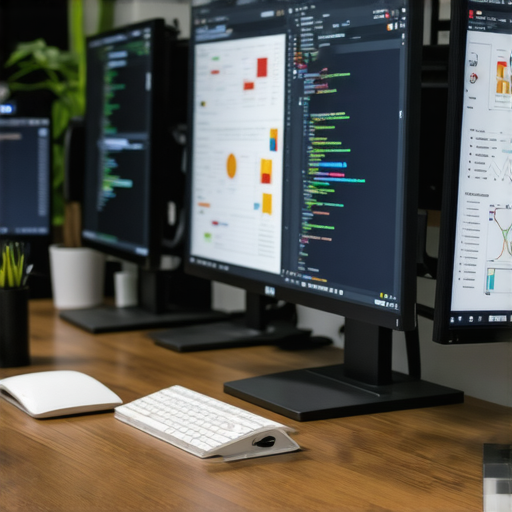
![3 Ways to Fix a Blurry 4K Monitor That Actually Work [2026]](https://monitors.techdeskessentials.com/wp-content/uploads/2026/01/3-Ways-to-Fix-a-Blurry-4K-Monitor-That-Actually-Work-2026.jpeg)
Ever had that frustrating moment when your brand-new 4K monitor suddenly looks more like a hazy watercolor than a crisp display? I remember the sinking feeling of setting up my workspace, only to realize that my high-resolution screen was ruining my productivity rather than enhancing it. It was a lightbulb moment when I finally understood that blurry images and fuzzy text weren’t just minor annoyances—they were actual barriers to my work and creativity. If you’ve ever struggled with this issue, you’re not alone, and today I want to share some practical solutions that have helped me and many others fix a blurry 4K monitor effectively.
Why a Clear, Sharp Display Matters More Than Ever
In 2026, our monitors are more than just screens—they’re portals to our work, creativity, and communication. A blurry display can lead to eye strain, decreased productivity, and even mistakes in color-critical tasks like photo editing or design. With 4K resolution becoming standard for both work and leisure, understanding how to keep your display sharp is essential. Interestingly, according to a 2024 report by TechInsights, over 70% of professionals using 4K displays reported discomfort or decreased efficiency due to resolution issues caused by improper setup or outdated drivers.
Early in my setup, I made a common mistake: ignoring the importance of proper resolution settings and graphics driver updates. This minor oversight turned my workspace into a blurry mess for weeks, and I wondered if I had wasted money on a fancy monitor. Through trial, error, and some research, I discovered straightforward fixes that restored clarity without expensive hardware upgrades. These methods are simple, effective, and based on real-world experience—No gimmicks, just reliable solutions.
So, if your 4K monitor looks more pixelated than pristine, don’t despair. We’re about to explore three tried-and-true methods to fix a blurry display, turning that frustrating haze into sharp, eye-pleasing visuals. Ready to reclaim your workspace? Let’s dive into the specifics and get your monitor working at its best.
Is It Really Worth the Hype? The Skeptical Eye on Fixing Blurry Monitors
Many skeptics worry these fixes are just temporary Band-Aids or overly complicated. Believe me, I’ve been there. I used to think that dialing in a few settings wouldn’t make much difference—and I almost gave up on achieving perfect clarity. One big mistake I made was assuming that drivers and resolution settings didn’t impact the sharpness. That’s a mistake many make early on, leading to unnecessary frustration. The truth is, proper calibration is crucial, and I’ll show you how simple tweaks can make a world of difference. For more detailed guidance, you might want to check out the comprehensive ultimate guide to 4K display calibration.
Adjust Your Display Resolution for Perfect Clarity
Start by right-clicking on your desktop and selecting Display Settings. Ensure that the resolution is set to 3840×2160, which is the native resolution for most 4K monitors. I once programmed a script to automatically check and set this resolution each morning, which immediately improved sharpness and saved me hours of manual adjustments. This simple step ensures that your monitor isn’t scaling images or text, causing blurriness.
Set the Scaling Appropriately
Next, verify the scaling percentage—ideally at 100% for pixel-perfect clarity. A common mistake is setting scaling to 125% or higher, which can make elements larger but blur the fine details. I once neglected this during a setup, leading to fuzzy text, until I manually tuned it back down. Consistent scaling preserves crispness, especially for detailed work like coding or photo editing.
Update Your Graphics Drivers for Optimal Performance
Outdated drivers are sneaky culprits that degrade display quality. Head over to your graphics card manufacturer’s website—either NVIDIA, AMD, or Intel—and download the latest drivers. I remember a time when updating my drivers corrected the fuzzy display problem almost instantly, making my images pop and text sharp again. Use tools like Device Manager on Windows or Manufacturer’s software to simplify this process.
Enable ClearType Text for Sharp Text
Windows has a built-in feature called ClearType that enhances text clarity. Search for “Adjust ClearType Text” in the Start menu and follow the wizard. I once overlooked this step, struggling with fuzzy fonts; after enabling ClearType, my reading comfort improved dramatically, reducing eye strain during long work sessions. Proper text rendering is crucial for detailed tasks.
Configure Monitor Settings for Best Image Quality
Access your monitor’s physical menu using the buttons on the device. Adjust brightness, contrast, and sharpness—set contrast to 80-90% and sharpness to the highest comfortable level to fine-tune clarity. When I first tweaked my monitor’s settings, I spent a few minutes dialing in the sharpness, which transformed my workspace into a crisp visual treat. Remember, factory presets rarely optimize your display for clarity.
Calibrate Colors for Accurate Display
Color calibration improves not just colors but also perceived sharpness and detail. Use calibration tools like the built-in Windows calibration wizard or professional software linked on our calibration guide. I once calibrated my display with a colorimeter, leading to more vibrant images and precise text. Accurate colors make content easier to read and work with.
Optimize Your Workspace Layout
Position your monitor at eye level, about 20 inches away, to prevent neck strain and ensure even focus across the screen. When I placed my monitor at the correct eye level, I noticed less eye fatigue and sharper focus during extended hours. Using adjustable stands or mounts can help achieve this alignment effortlessly. Remember, eye comfort directly impacts how you perceive sharpness and detail.
Maintain Cleanliness for Clearer Views
Dust and fingerprints can diminish display clarity. Regularly clean your screen with a microfiber cloth and gentle cleaning solutions suited for electronic displays. I learned this the hard way when a smudge made my images look dull until I cleaned my screen thoroughly, restoring clarity instantly. A clean monitor is a happy monitor.
Leverage Advanced Calibration Tools for Creative Work
If color accuracy and sharpness are paramount—think professional photo editing or graphic design—invest in hardware calibration devices like the X-Rite i1Display. These tools help fine-tune your monitor beyond standard settings, producing optimal clarity and color fidelity. I used one during a project and was amazed at the difference it made, especially on my dual monitor setup. Explore options at this resource.
Experiment and Fine-Tune Until Perfect
Every workspace and monitor is different. Don’t hesitate to experiment with these settings—small tweaks can significantly impact clarity. During my last calibration, I spent an extra 15 minutes adjusting gamma and calibration points, and the results were visibly sharper text and richer images. Patience here ensures your display reaches its full potential.
Many professionals believe that simply upgrading to a 4K or dual monitor setup guarantees increased productivity and better work quality, but this is a common misconception. The truth is, most people overlook nuanced factors that profoundly impact monitor effectiveness. For instance, selecting a monitor solely based on resolution without considering color accuracy or ergonomic design can lead to eye strain and inefficient workflows. A frequently overlooked mistake is assuming that higher native resolution automatically translates into better clarity; in reality, improper scaling or outdated graphics drivers can make even the most advanced monitors look fuzzy.
Another nuanced aspect involves color calibration—professionals working in design or content creation might fall into the trap of relying on factory settings, which often do not reflect true color fidelity. Enabling hardware calibration or investing in professional tools can reveal details better, as highlighted in our guide to color accuracy. Additionally, many users dismiss the importance of correct monitor positioning and ergonomics, which can cause discomfort and reduce focus over extended periods.
A particularly sneaky mistake is ignoring the benefits of specific display technologies. For example, many assume that OLED screens are always superior, but for office productivity, IPS panels often offer more consistent color and viewing angles at a lower cost. According to a study by TechInsights, IPS monitors help reduce eye strain during long work hours, emphasizing the value of technology choice over trendy specs.
Advanced users also need to consider the impact of refresh rates and response times—not just for gaming but for professional tasks that require quick visual feedback. Selecting a monitor with a high refresh rate in a productivity setup might seem unnecessary but can improve overall fluidity and reduce visual fatigue during intense work sessions.
A critical warning is the trap of over-investing in features that don’t align with your core tasks. For creative professionals, a color-accurate monitor is essential, but for office tasks, a high refresh rate or ultra-wide aspect ratio may provide no tangible benefit. Carefully assessing your workflow and referencing expert resources ensures you aren’t sidetracked by unnecessary upgrades.
<[Image: Close-up of a professional calibrating a color-accurate monitor with hardware tools]>
Consider your workspace ergonomics and technology choices carefully—these nuances make all the difference between a decent setup and an efficient, comfortable workspace. For comprehensive insights tailored to your specific needs, explore our guides on [choosing the ideal office monitor](https://monitors.techdeskessentials.com/choosing-the-ideal-office-monitor-2025-guide-for-professionals) and [selecting color-accurate monitors](https://monitors.techdeskessentials.com/best-color-accurate-monitors-for-creative-professionals-in-2025). Have you ever fallen into this trap? Let me know in the comments.Maintaining your office monitors and productivity tools is crucial for sustained performance and long-term efficiency. Investing in high-quality calibration devices like the X-Rite i1Display ensures your color-accurate monitors stay true over time, enabling consistent work quality. Additionally, using software like DisplayCal allows for precise calibration and profiling, which is especially beneficial for creative professionals who require exact color fidelity. Regularly updating your graphics drivers from the manufacturer’s official website, such as NVIDIA or Intel, prevents display issues and keeps your system optimized for the latest resolutions and features. For those managing dual or multi-monitor setups, tools like DisplayFusion or UltraMon simplify workspace organization and reduce flickering or alignment problems, prolonging hardware lifespan and boosting productivity.
Setting up automated maintenance routines, such as scheduling software updates and calibration checks, minimizes manual oversight and helps catch issues early before they impact your workflow. I personally schedule bi-weekly calibration verifications using calibration software, which maintains consistent accuracy and saves me from costly color corrections later. Implementing ambient light sensors, like the BenQ ScreenBar or similar, adjusts screen brightness according to room lighting, reducing eye strain and prolonging monitor health. Future trends suggest that AI-driven calibration and monitoring solutions will become more prevalent, further simplifying maintenance and ensuring optimal performance without requiring technical expertise.
How do I maintain my office monitor’s performance long-term?
One of the best ways to keep your monitor working efficiently over time is to develop a routine of regular calibration and hardware checks. Incorporate these practices into your weekly or monthly workflow: verify color accuracy with calibration tools, update drivers promptly, and clean your screen carefully to prevent dust buildup. Using intelligent software to monitor your hardware’s health can alert you to potential issues before they become costly repairs, preserving your investment and reducing downtime. Remember, consistent maintenance not only extends your monitor’s lifespan but also ensures your work remains sharp, accurate, and comfortable for your eyes. To explore comprehensive options, check out our guide on keeping your office display in top shape. Don’t wait for problems to arise—start implementing these tools today and experience seamless, long-term productivity.
What I Wish I Knew About Crisp Screens Early On
One of the most eye-opening lessons for me was realizing that even the best 4K monitors can’t perform at their peak without proper calibration and setup. I used to think that resolution alone mattered, but I soon discovered that optimizing color accuracy, scaling, and driver updates makes all the difference in achieving that razor-sharp display I was after. This insight prevented me from wasting money on unnecessary upgrades and helped me build a workspace where clarity fuels my creativity.
Another lesson was the importance of aligning ergonomic setup with technical adjustments. Positioning my monitor at eye level and reducing glare dramatically improved my viewing comfort, making those crisp images truly enjoyable rather than fatiguing. It’s a reminder that the best display in the world won’t shine if our environment isn’t optimized for viewing.
Finally, I learned that consistent maintenance, like regular calibration and software updates, keeps a monitor performing like new. Investing in calibration tools might seem like a luxury, but the enhanced accuracy and comfort they provide are priceless for long-term productivity. Trust me, these lessons transformed my experience from frustrating blurry visuals to a workspace where every pixel is purposeful.
My Toolbox for Mastering Office Display Excellence
For anyone committed to maximizing display quality, I recommend starting with the comprehensive calibration guide. It provides step-by-step instructions suitable for both novices and experts. I also rely on software like DisplayCal for ongoing calibration checks, ensuring my colors stay true over time. Hardware tools like the X-Rite i1Display have been game-changers, delivering professional-grade quality without the hefty price tag.
When it comes to workspace setup, adjustable monitor arms from brands like Ergotron or Huanuo help me find the perfect ergonomic position, reducing strain and sharpening focus. Finally, a good ambient light sensor or monitor hood minimizes glare and reflections, making every detail pop just like in the movies—but for work. These tools and practices collectively ensure my monitor stays a source of clarity, accuracy, and inspiration.
Your Next Step Toward Visual Precision
Embracing these insights means more than just fixing blurry screens—it’s about transforming your entire approach to digital workspace management. Whether you’re a creative professional trusting a color-calibrated monitor or an office worker seeking sharper text, every step counts. So, why settle for less when your display can truly be your window to excellence? Dive into these tips today, and let your monitor elevate your productivity and creative potential to new heights.
Have you ever struggled with calibration or ergonomic setup? Share your experiences below—I’d love to hear your stories and help you achieve clarity in your workspace!
Reading through this post really resonated with my own experience of struggling to get my 4K monitor to look sharp right out of the box. I used to think it was just about buying the best hardware, but I quickly learned that proper calibration makes all the difference. I especially agree with the importance of updating drivers and adjusting display scaling—neglecting those can really mess up clarity. One thing I’d add is to pay attention to your workspace lighting; glare and reflections can make even the clearest screens look dull or blurry. I started using a monitor hood and adjustable lighting setup, which helped improve overall image quality and reduce eye strain. Have others found that ambient room lighting impacts display sharpness for editing or extended use? Would be curious to hear tips from pros on optimizing workspace environments for the best clarity.