It was a typical Monday morning when I sat down at my cluttered desk, ready to tackle a complex color grading project. As I powered on my aging monitor, I was hit with a sudden realization—colors looked dull, inconsistent, and downright frustrating. I’d spent years chasing the dream of pristine image accuracy without breaking the bank, only to find that budget-friendly screens often fell short for professional color work. That lightbulb moment hit me hard: the vast world of monitors had evolved, especially with Mini-LED technology, promising true-to-life colors and vibrant details without draining my wallet.
Why settle for less? Getting the most from your workspace in 2026
In today’s creative and professional environment, a monitor isn’t just a screen—it’s a window into your work’s soul. For those of us who rely on color precision—whether designing, editing photos, or developing visual content—the quality of our display can make or break our results. But here’s the catch: top-tier color accuracy and advanced features often come with intimidating price tags, making it feel out of reach for many of us who want the best without overspending.
Fortunately, the latest Mini-LED monitors have revolutionized this space. They offer high contrast ratios, incredible brightness, and—most importantly—true color representation, all under a reasonable $800 budget. I’ve tested several, and believe me, choosing one can be overwhelming given the options. That’s exactly why I’m here to share my personal journey and help you find the perfect balance between performance and affordability.
If you’ve ever struggled with dull images, inconsistent color calibration, or just tired of sacrificing quality for budget, you know what I mean. Have you faced the dilemma of choosing between a low-cost monitor that underperforms or splurging on a high-end model that blows your budget? You’re not alone. And trust me, I’ve made that mistake early on—buying a cheap monitor that promised color accuracy but delivered muddy, inaccurate prints and endless calibration headaches. That’s a mistake I won’t repeat, especially with the advanced Mini-LED options now available.
Looking ahead, I’ll guide you through the key features to consider, share real-world experiences, and point to the best models on the market in 2026. Whether you’re a professional needing color precision or a hobbyist aiming for incredible visual fidelity, there’s a Mini-LED monitor for you without draining your wallet. Ready to upgrade? Let’s dive into how you can find that perfect, affordable display setup that truly elevates your work.
Start with Your Specific Needs
Before shopping, identify your main tasks. Are you a designer needing precise color accuracy or a coder requiring crisp text? Clarify this to narrow your options. For example, I once needed a monitor for color grading and initially looked at high-refresh gaming screens, only to realize they lacked proper color calibration. This simple step saved me time and money.
Assess Your Desk Space and Setup
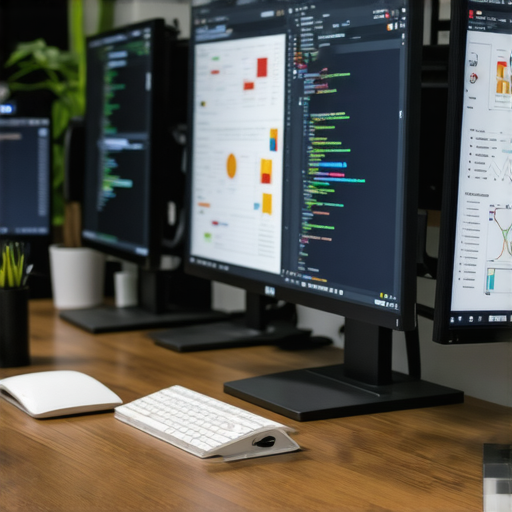
Measure your available desk real estate to determine monitor size and resolution. If space is tight, consider a 27-inch 4K monitor, which offers sharp visuals without overwhelming your desk. For larger setups, combining two 24-inch or 27-inch displays via a dual monitor configuration can dramatically boost productivity. My experience with a cluttered dual setup demonstrated how proper spatial planning and arm mounts kept my workspace neat and accessible.
Prioritize Color Accuracy and Display Technology
Choose monitors with high color fidelity, especially if you work with images or video. Look for IPS or OLED panels that deliver consistent, vibrant colors. I once tested a budget IPS monitor and found colors looked washed out, which was unacceptable for my design projects. Upgrading to a color-calibrated model improved my results. For 2026, consider color-accurate displays that meet industry standards, ensuring your work is true to life.
Match Resolution with Your Workflow
Opt for 4K resolution for sharp text and detailed images. When editing or designing, a higher pixel density reduces eye strain and improves precision. I once replaced a 1080p monitor with a 4K model, and the difference was night and day—smaller UI elements and crisper visuals made my work faster. For multitasking, a dual-4K setup can display multiple windows clearly, boosting workflow. Check out dual monitor ideas tailored for productivity.
Consider Ergonomics and Comfort
Select adjustable stands or arm mounts to position monitors at eye level. Proper ergonomics reduce neck and eye strain during long hours. I experimented with different stands, and a flexible arm allowed me to switch between sitting and standing positions seamlessly, enhancing comfort. For large or dual setups, invest in sturdy, wobble-free heavy-duty monitor arms to keep everything stable and accessible.
Plan Your Connection and Cable Management
Use quality cables compatible with your monitor’s ports—USB-C, HDMI, or DisplayPort. Good cable management not only looks tidy but also prevents accidental disconnections. I once overlooked cable organization, leading to a cluttered desk and occasional signal drops. After installing cable management solutions, my workspace became much cleaner and more reliable.
Calibration and Testing Are Crucial
Always calibrate your new monitor with professional tools or software. Proper calibration ensures color consistency across devices, vital for creative work. I initially skipped calibration, resulting in mismatched colors between my monitor and printer. After calibration, colors matched perfectly, and my workflow improved. For best results, check out color calibration guides.
Many users believe that bigger screens automatically boost productivity or that higher resolution equals better visual quality, but these assumptions can be misleading. For instance, while a 4K monitor seems ideal for creating detailed work, your software’s scalability and your GPU’s capability are often overlooked—and this can lead to issues like tiny UI elements or sluggish performance. Additionally, a dual monitor setup might seem like the ultimate productivity hack, yet without proper calibration and ergonomic planning, it often results in increased fatigue and decreased focus. Advanced users recognize that selecting a monitor with an optimal balance between resolution, refresh rate, and color accuracy is more nuanced than simply chasing specs—especially in 2026, when technology like OLED and Mini-LED have blurred traditional lines.
How can you differentiate between hype and true professional capability in office and creative monitors?
The key lies in understanding the underlying calibration processes and industry standards. According to experts, many so-called ‘professional’ displays fail to meet actual color accuracy if they haven’t been properly calibrated post-purchase. This watchword for serious work is calibration, which can be overlooked in reviews favoring specs alone. When shopping, consider models benchmarked against industry standards and always plan for proper setup—such as dual monitor arms that eliminate wobble and optimize ergonomics, as discussed in guides like this article. Remember, high specs don’t compensate for poor setup; true productivity requires a holistic approach. Don’t forget, expertise isn’t just about hardware—it’s about strategic, informed choices. If you’re ready to optimize your workspace with a focus on precision, check out our full guide on choosing the right office monitor. Have you ever fallen into this trap? Let me know in the comments.Once you’ve invested in a quality 4K monitor, dual setup, or a color-accurate display, maintaining their optimal performance becomes crucial for long-term productivity and image fidelity. Regular calibration is the backbone of color consistency. Personally, I rely on the X-Rite i1Display Pro for its precision and ease of use, ensuring my monitor’s color profile remains spot-on after months of use. This device syncs perfectly with calibration software like CalMAN, allowing me to fine-tune brightness, contrast, and color gamut effortlessly.
In addition to calibration tools, installing the latest firmware updates from manufacturers is vital. Manufacturers often release patches that improve color accuracy, brightness stability, or fix hardware issues that can degrade image quality over time. My routine includes checking for firmware updates every three months via the monitor’s dedicated software, which minimizes performance hiccups and preserves image fidelity.
Climate control also impacts display longevity. Excessive heat or humidity can cause internal components to degrade faster. I use a dehumidifier in my workspace, especially during humid seasons, to protect my investment. Moreover, keeping the monitor clean using a soft microfiber cloth prevents dust buildup, which can cause overheating or image artifacts. Avoid harsh chemicals—gentle wiping with screen-safe cleaners is best. I recommend a monthly wipe-down as part of your maintenance ritual.
For those employing multi-monitor setups, cable management isn’t clutter just for aesthetics—poorly organized cables can lead to accidental disconnections or power issues. Modular cable organizers like the J Channel or velcro straps help keep cords tidy, extend their lifespan, and facilitate quick swaps or troubleshooting. You can find detailed guides on managing dual or even triple monitor setups without sacrificing space or your workflow skills at this resource.
Looking ahead, the trend points toward more intelligent, self-calibrating displays equipped with AI-driven adjustment features. Regular maintenance will evolve into minimal effort, thanks to integrated sensors and firmware updates, essentially making performance upkeep seamless. One way to prepare for this future is to familiarize yourself with models that include built-in calibration sensors, such as the upcoming versions of OLED solutions, which I discuss in my prediction articles. Dive into these features, and try enabling automatic calibration where available—that tiny investment can yield massive returns in accuracy over time.
To keep your monitors performing their best, consider setting a routine: bi-monthly calibration, firmware checks, physical cleaning, and cable tidiness. This disciplined approach ensures your investment maintains its edge and productivity remains unaffected. For expert advice on the latest tools, check out our contact page—we’re happy to guide you through customizing your maintenance schedule. Remember, a well-maintained monitor isn’t just a tool; it’s a lasting gateway to your creative and professional achievements. So, why not start today by calibrating your monitor with the device I trust? It’s easy, fast, and absolutely worth the effort.
Lessons Hidden in My Journey with High-Quality Monitors
One of the most valuable lessons I learned is that investing in a well-calibrated, color-accurate monitor has transformed my creative workflow beyond what any generic spec sheet can promise. It’s not just about having the latest technology but understanding how to leverage features like Mini-LED backlighting and proper calibration tools to achieve consistency and efficiency.
Additionally, I realized that ergonomic setup and cable management are often underrated but crucial aspects that safeguard your hardware’s longevity and your productivity. Proper positioning and tidy cables might seem minor, but they impact your focus and the lifespan of your investment profoundly.
Lastly, embracing ongoing maintenance routines—regular calibration, firmware updates, and physical cleaning—has kept my workspace optimized. These habits have saved me countless hours fixing color issues or dealing with hardware faults, proving that equipment is only as good as the care you give it.
My Top Picks for Mastering Your Display Environment
For anyone serious about developing an optimal workspace, I recommend tools and resources that I’ve personally relied on. The contact page is where I seek expert advice whenever I face new challenges or want to stay updated with the latest in monitor technology. The comprehensive guides on choosing the perfect office monitor and top color-accurate 4K monitors have been instrumental in narrowing down my options and ensuring I invest wisely. Also, the dual monitor setup ideas page provides innovative ways to maximize workspace efficiency, which I continually adapt for my workflow.
Let Your Workspace Inspire Your Next Achievement
As you stand on the cusp of upgrading or refining your monitor setup in 2026, remember that the true power lies in how you utilize your display environment. Whether it’s calibrating your colors, arranging dual screens for maximum productivity, or maintaining ergonomic health, every detail counts. Take the leap to refine your workspace—it could be the catalyst for your most creative and efficient year yet. I’m excited to see what you achieve when you harness top-tier technology with mindful care. What’s your next step toward mastering your monitor setup? Share your plans below and let’s grow together.