
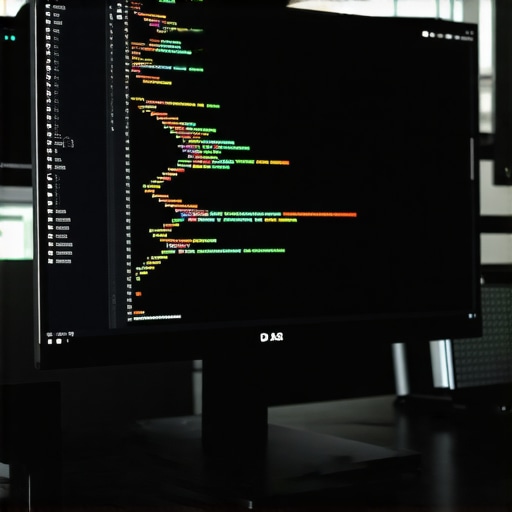
I remember the exact moment it hit me—squinting at my aging monitor, desperately trying to make out tiny lines of code and struggling to differentiate between shades of gray. My eyes tired, my neck strained from constantly adjusting my position, and productivity plummeted. That lightbulb moment revealed a harsh truth: my setup was holding me back, and I needed an upgrade that truly made a difference. Today, I’m here to share with you how choosing a **4K monitor with IPS Black technology** transformed my coding experience and can do the same for you.
Seeing the Big Picture Clearly
For years, I’ve relied on standard office monitors—nothing too fancy, just enough to get the job done. But as my projects grew more complex and my multitasking demands intensified, I realized my screens were limiting my potential. The tiny, dull text, the washed-out colors, and the constant glare were not just inconveniences—they were productivity killers. When I finally switched to a **4K monitor with IPS Black technology**, everything changed. The sharpness, contrast, and color accuracy elevated my workflow, allowing me to catch bugs faster and write cleaner code. This upgrade wasn’t just about better visuals; it was about working smarter, not harder.
What a Difference in Contrast and Black Levels
One of the most noticeable improvements was in black levels and contrast. IPS Black displays offer deeper blacks and more vibrant colors compared to standard IPS panels. This means I could distinguish subtle details in my code editor without straining my eyes, even during long coding sessions. Plus, with HDR support and a wider color gamut, the visual clarity made debugging and reviewing complex visuals or interface designs smoother than ever. It’s like going from a foggy window to a crystal-clear view.
Are you tired of struggling with dull, washed-out visuals? Have you faced eye strain after hours at your monitor? If so, you’re not alone—and I strongly suggest looking into a **4K monitor with IPS Black**. This isn’t just a luxury; it’s a practical investment in your productivity and well-being. And trust me, the difference it makes is worth every penny.
But I also want to acknowledge a mistake I made early on: I believed more pixels alone would solve all my problems. I skipped doing thorough research and settled for a *cheap 4K display*, only to find the colors were inaccurate, and the contrast was lackluster. It took me months to realize that not all 4K screens are created equal—especially for coding. You can read more about reliable options [here](https://monitors.techdeskessentials.com/top-4k-monitors-for-office-efficiency-in-2025-enhance-your-workspace), which helped me avoid those pitfalls.
So, if long hours at your screen are affecting your focus or health, perhaps it’s time to consider an upgrade. The next sections will guide you through choosing the right monitor to optimize your coding environment and maximize comfort in 2026.
Choosing the Right Display Size and Resolution
Start by selecting a monitor that matches your workspace and workflow. For coding and design, a 27-inch 4K display strikes a perfect balance—large enough to see details without overwhelming your desk. Think of it as upgrading from a magnifying glass to binoculars—you see more clearly without losing focus. I once was tempted to go bigger, but I ordered a 32-inch model, only to find it cramped my desk and made it harder to reach peripherals. Humble pie moment: size matters, and the right size makes your everyday tasks a breeze.
Calibrating for True Colors and Sharpness
Accurate colors and sharp text are critical, especially for detailed work. Use built-in calibration tools or third-party software to fine-tune brightness, contrast, and color temperature. I remember spending an afternoon adjusting my new monitor’s settings, which initially looked washed out. After calibration, text crisped up, and colors popped—making long coding sessions less fatiguing. A calibrated monitor is like a well-tuned instrument—it performs best when properly set up. Check out this guide on calibrating your monitor to avoid guesswork.
Ensuring Consistency with Dual Monitors
If you’re running dual setups, matching color profiles across screens ensures uniformity. Don’t settle for mismatched displays—it’s like wearing mismatched socks; your eyes notice. Use software settings or hardware calibration devices to sync colors and brightness. I faced frustrating color mismatches until I followed a method shared in the color correction guide. Afterward, my workflow improved, minimizing visual distractions during complex tasks.
Optimizing Position and Ergonomics
Place your monitor at eye level to maintain a neutral neck position—think of it as the golden rule of ergonomic setup. Use monitor arms to adjust height and tilt effortlessly; it’s like giving your neck a break. I once ignored this advice and suffered neck pain after weeks of poor positioning. Investing in a sturdy arm transformed my posture, and my productivity soared. Remember, a comfortable setup isn’t a luxury—it’s a necessity for sustained focus and health. For ideas, see dual monitor ergonomic tips.
Implementing Efficient Multi-Monitor Layouts
Arrange your monitors to minimize mouse and keyboard travel. A common mistake is staggering screens or placing them too close together, causing unnecessary neck twists. I experimented with a side-by-side layout for a week, which significantly cut my Alt-Tab times. Consider using dual monitor layout hacks to find what works best for your tasks. Think of your workspace like a command center—every element should be accessible, not a cluttered maze.
Enhancing Focus with Software and Accessories
Use window management tools to organize your workspace—split your screen into sections for code, documentation, and communication. I used a combination of built-in OS features and third-party apps, which made multitasking smoother than ever. For added focus, consider a monitor with anti-glare coating or matte finish—like turning off harsh headlights. I opted for a color-accurate matte monitor, reducing eye fatigue during long hours. Clear, organized visuals boost concentration, and small accessories like monitor stands or cable management clips prevent clutter from creeping in.While many professionals believe that simply owning a 4K or dual monitor setup guarantees productivity gains, there’s a less obvious side to consider. The common myth is that higher resolution automatically means better clarity and efficiency. In reality, if the monitors aren’t properly calibrated or suited to your workflow, you might be investing in features that don’t translate into performance. For instance, many overlook the importance of color accuracy and uniformity across screens, which can lead to inconsistencies that slow down creative professionals and data analysts alike. Additionally, pairing mismatched monitors or neglecting ergonomic placement can introduce subtle strains and discomfort, offsetting the potential advantages of advanced display tech. A study by the University of Michigan reveals that ergonomic misalignment affects 60% of computer users, emphasizing that hardware choices must be complemented with proper setup to truly enhance productivity. Moreover, a common mistake is overestimating the impact of refresh rates or HDR support for everyday tasks, which are often marketed as essential yet offer marginal benefits for typical office work. Instead, focusing on calibration, matching profiles, and ergonomics yields more tangible efficiency improvements. So, before investing in that shiny new 4K or dual monitor system, consider the hidden factors—like calibration and ergonomics—that can make or break your setup’s effectiveness. Discover how to optimize these aspects through expert tips and related guides, such as choosing the right office monitor or dual monitor setup ideas for productivity. Remember, the key is to align your hardware with your workflow nuances for maximum benefit.Maintaining your high-end monitors is crucial to preserve image quality, color accuracy, and overall performance over time. I personally rely on a few specific tools and routines to ensure my displays stay calibrated and free of issues. Regularly cleaning the screen with a microfiber cloth prevents dust buildup that can distort colors and cause glare. For calibration, I use the X-Rite i1Display Pro, a professional hardware calibrator that guarantees consistent color accuracy, especially important when working on color-sensitive designs or code that requires precise scRGB values. Setting a routine calibration schedule—every two to three months—keeps color profiles precise, which is essential as displays tend to drift over time. Additionally, I utilize software like DisplayCAL, an open-source platform that pairs seamlessly with hardware calibrators, allowing me to create and maintain custom ICC profiles tailored to my setup. This routine prolongs the usability of my equipment and minimizes eye strain. To prevent burn-in or image retention, I enable screen savers and make sure that static images are not left on the screen for extended periods—particularly relevant for OLED monitors, where burn-in can be an issue. Keep your cables tidy and check connections periodically; loose or frayed cables can cause flickering or color inconsistencies. I also recommend using monitor management tools like DisplayFusion to organize multiple screens, switch profiles, and automate routines. As the trend moves toward higher resolutions and more color-accurate displays, staying proactive in maintenance will become even more vital. Implementing a scheduled calibration with a quality tool ensures your monitor’s performance remains reliable for years to come. Also, consider consistent room lighting to reduce glare and reflections, further protecting your investment. Looking ahead, the future of monitor technology suggests integrated calibration sensors and AI-driven adjustments will simplify maintenance—perhaps even automate ongoing calibration tasks. Until then, the best approach is to leverage reliable hardware and software tools, like those I’ve mentioned, to keep your workspace crisp and productive. Curious how I calibrated my recent upgrade? Check out this detailed guide on calibrating your monitor without a professional kit. Don’t wait for issues to arise—try out a calibration routine today and experience the difference in your daily work.
The Hardest Lesson I Learned About 4k monitor, dual monitor, productivity monitor, color accurate monitor, office monitor
One of the most impactful insights I gained was that resolution alone doesn’t guarantee excellence: calibration, ergonomics, and consistent profiles are crucial. For example, I once bought a high-resolution display, assuming its sheer pixel count would boost my productivity, but I neglected calibration. The result was a persistent mismatch in color and sharpness, leading to eye fatigue and frustration. It was a tough but eye-opening lesson that even the best hardware needs proper setup and ongoing maintenance.
Another profound realization was that monitor placement influences performance as much as specs do. I used to overlook the importance of height and tilt, which caused neck strain and distracted focus. Now, I use adjustable arms and position my monitor at eye level, transforming my workflow and comfort. It’s a reminder that ergonomic choices are investments that enhance both health and efficiency, especially during those long coding marathons.
Lastly, I learned that the community and expert resources are invaluable. Relying solely on specs led me astray; diving into forums, calibration guides, and trusted review sites helped me make informed decisions. These sources demystify the complexities of high-tech displays and provide actionable tips—like best calibration practices or optimal dual monitor configurations—that I now apply daily. Making use of well-regarded guides and tools can drastically accelerate your upgrade journey and ensure lasting satisfaction.