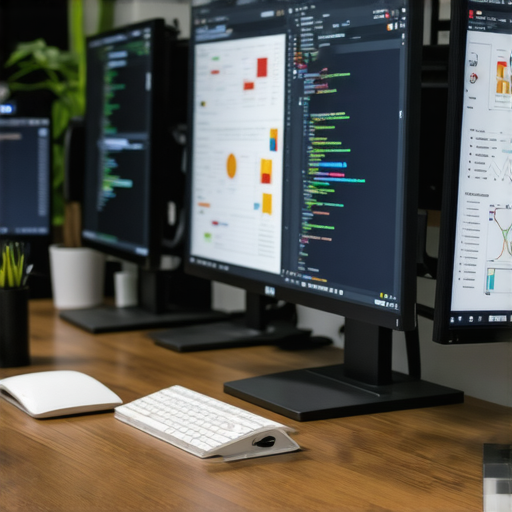

I vividly remember the moment I realized my neck was screaming for help after a long day at my desk. Sitting in front of my dual 4K monitors, I was tired, aching, and frustrated with that persistent nagging pain creeping up my spine. It hit me—my setup was literally stressing me out. That was my lightbulb moment. I started digging, experimenting, and finally stumbled onto a simple but revolutionary rule for monitor positioning that changed everything. Today, I want to share with you how adopting this dual monitor height rule can banish chronic neck pain and boost your productivity.
The Struggle of Poor Monitor Setup
Let’s face it—most of us spend hours glued to our screens. Whether you’re a creative professional, a developer, or just someone trying to keep up with your workload, your workspace should support your health, not sabotage it. But I often see folks suffer silently, their necks and shoulders tight from incorrectly aligned monitors. I was no exception. My early attempts involved stacking monitors at random heights, hoping I’d find a sweet spot. Spoiler alert: it rarely worked. I was setting myself up for pain, fatigue, and reduced focus.
The problem isn’t just convenience; it’s scientific. According to a study from the American Chiropractic Association, poor ergonomics can lead to muscle strain, joint issues, and chronic pain if not addressed properly. Yet, many of us overlook simple adjustments that could make a world of difference.
Consistent Monitor Height Creates Natural Comfort
This is what I wish I had known earlier—your monitors should be at eye level, with the top of the screen roughly matching your eye height. For dual setups, this means aligning both screens so your gaze is straight ahead, not tilted up or down. This minimizes neck rotation and keeps your posture upright. The rule I adopted—making sure my dual monitors are set to the same height—transformed my daily experience. No more craning or awkward angles. My neck feels relaxed, and I can work longer without discomfort.
Implementing this rule isn’t complicated. Use adjustable monitor arms or risers to customize the height, and ensure your screens are positioned to prevent glare and reflections that might tempt you to perch forward. If you’re unsure how to get started, I recommend checking out some proven dual monitor setup ideas that focus on ergonomics.
Is Your Setup Actually Worth the Hype?
Honestly, I was skeptical upfront. I thought a few height adjustments couldn’t possibly make such a difference. My early mistake? I thought ergonomics was just a fancy buzzword and ignored it. Trust me, avoiding proper monitor height is like trying to run a marathon with a backpack full of stones. It hampers your performance and harms your body in the long run. Once I corrected my setup, I experienced less fatigue, better focus, and a happier neck—proof that these small tweaks really matter.
Now, do you face similar challenges? Have you ever felt that achy feeling creeping up your neck after hours of work? If so, you’re not alone, and there’s a simple fix just waiting for you to try. In the next sections, I’ll guide you through the exact steps to optimize your dual monitor height, so you can work comfortably and pain-free every day.
Set Up Your Workspace for Optimal Ergonomics
Start by measuring your eye level when seated comfortably. Use a tape measure to note the height from your chair cushion to your eyes, and record this measurement. This will be the reference point for adjusting your monitors.
Choose Adjustable Monitor Arms or Risers
If your current monitors lack height adjustment, invest in quality monitor arms or risers. I recommend the dual monitor mounting solutions that support ergonomic adjustments and sturdy hold, especially for 32-inch screens.
Align Both Monitors at Eye Level
Position each monitor so that the top edge aligns with your recorded eye height. Use the monitor arm’s height adjustment feature for precise placement. For example, I initially placed my 27-inch monitors too high, causing neck strain. After lowering them to eye level, I immediately felt relief and maintained better posture.
Ensure Even Height and Symmetry
Double-check that both screens sit at the same height and are aligned horizontally. Use a level tool or a visual guide to guarantee consistency. An uneven setup, like my earlier Many professionals believe that simply purchasing a high-resolution 4K monitor guarantees superior work quality and productivity, but the truth is more nuanced. One common misconception is that all 4K monitors provide the same performance and color accuracy, which can be misleading. For example, many assume that a higher pixel count directly translates to better clarity across all applications, but some budget 4K displays suffer from poor color reproduction or inadequate calibration, negating the perceived benefits. Advanced users recognize that factors like panel type, calibration, and hardware compatibility significantly influence actual performance.
Can a low-cost 4K monitor truly match professional-grade screens for color accuracy and detail?
Research from industry experts emphasizes that “not all 4K monitors are created equal,” especially when used for color-sensitive tasks like photo editing or design. Cheaper models often lack hardware calibration options, leading to color drift over time, which can compromise work quality. Additionally, many office monitors marketed as ‘4K’ fail to support high dynamic range (HDR) or wide color gamuts, limiting their suitability for demanding tasks. A critical trap to avoid is neglecting the technical specifications beyond resolution—such as screen uniformity, gray uniformity, and viewing angles—that profoundly impact visual fidelity. For instance, a color-accurate monitor designed for creative professionals often features IPS panels with factory calibration, whereas standard office models may use TN or VA panels that compromise color consistency. To truly optimize your setup, consider investing in products tailored for professional use, like those reviewed in our dedicated color-accurate monitors guide. Moreover, dual monitor arrangements can introduce disparities if they differ in calibration or panel type, which hampers seamless workflow. Keep in mind that hardware calibration tools and consistent settings across screens are essential for maintaining color fidelity. Many professionals overlook these details, only to face inconsistent colors and ghosting effects during critical tasks. The key is to match monitors’ characteristics closely and regularly calibrate them with specialized tools or software. Otherwise, you’ll remain in the trap of believing that resolution alone can elevate your productivity or creative output. So, ask yourself: is the monitor in your workspace truly aligned with your professional needs? Or are you falling for superficial specifications? Understanding these hidden nuances can save you time, money, and frustration. For recommendations tailored to maximizing office efficiency or creative accuracy, explore our comprehensive resources and don’t hesitate to contact us through this link. Have you ever fallen into this trap? Let me know in the comments.To keep your dual 4K monitors, color-accurate screens, and productivity setups functioning optimally over time, investing in the right tools and routines is essential. First, consider using hardware calibration devices like the X-Rite i1Display Pro, which I personally rely on to ensure my monitors stay color-accurate for creative work. Regular software calibration through your monitor’s built-in tools or advanced applications like DisplayCAL ensures consistent color reproduction, preventing drift that can compromise your projects. Additionally, implementing cable management solutions helps protect your hardware from damage and keeps your workspace tidy, which in turn reduces wear and tear.
Employing maintenance schedules, such as monthly cleaning of your screen surfaces with microfiber cloths and checking display settings, extends equipment longevity. For long-term durability, I recommend investing in high-quality monitor arms and stands—these prevent strain on mounting points, which is crucial for hefty 32-inch or ultra-wide displays. Use surge protectors and uninterruptible power supplies (UPS) to safeguard against electrical surges, ensuring your investments remain safe.
In terms of software, tools like Windows Display Calibration or macOS ColorSync offer simple yet effective ways to verify accurate color profiles over time. For users managing multiple monitors, specialized profiling software such as Calibrite’s software suite can synchronize color settings across screens, which is vital for tasks demanding precision, like photo editing or design.
Looking into the future, as monitor technology advances—especially with improvements in hardware calibration, built-in blue light filtering, and auto-sensing ambient light—the maintenance process will become more streamlined. Features like automatic color calibration and integrated light sensors are predicted to become standard, reducing manual adjustments.
**How do I maintain my monitor calibration over time?** Regularly update your display drivers and calibration profiles—think of it as tuning your instrument before every session. Even minor firmware updates from manufacturers can improve color stability and display performance, so check manufacturer support sites periodically.
Finally, embrace a proactive attitude: schedule quarterly reviews of your workspace setup to ensure everything remains in optimal condition. Trust me, investing a little time now will save you frustration and costly replacements later. Why not start today by running a calibration check with your hardware device? It’s a small step that guarantees consistent quality for your long-term workflow.
Lessons That Changed My Office Game Forever
One of the toughest realizations was how much my workspace design impacted my health and efficiency. The biggest lesson? Small ergonomic tweaks, like aligning monitors perfectly, have a ripple effect—less fatigue, sharper focus, more creative flow. I learned that investing in quality adjustable arms isn’t just about aesthetics; it’s about preserving my body for the long haul. Never underestimate the power of proper monitor height—it’s a game-changer I’ve come to rely on daily.
Another insight was that color accuracy isn’t just for photographers or designers; it profoundly affects accuracy in all visual tasks. Upgrading to calibration tools like the X-Rite i1Display Pro transformed my understanding of color fidelity, enabling me to trust what I see on screen. The most surprising revelation? Mismatched monitors can sabotage your workflow more than you realize—matching panels and calibrating them consistently is crucial for seamless productivity. These lessons weren’t in textbooks—they were born from trial, error, and a keen eye for improvement.
My Toolbox for Office Optimization
For anyone serious about their workspace, I recommend the top 4K monitors for office efficiency—they strike the perfect balance between clarity and comfort. Calibrating with the best color-accurate monitors ensures your visuals stay consistent, enhancing both productivity and confidence. When considering monitor arms, I lean on those sturdy, adjustable solutions that withstand daily use. For managing multiple screens efficiently, explore dual monitor setup ideas—they saved me hours of fiddling and kept my workspace tidy. Constantly refining these tools has made my daily work smoother and more enjoyable.
Your Next Leap in Productivity and Comfort
The future of workspace ergonomics and high-performance monitors beckons—you deserve a setup that empowers, not exhausts you. Take the leap today; calibrate your screens, align your monitors, and make ergonomic excellence your habit. Every time you look at that perfectly positioned dual monitor, you’ll realize the profound difference it makes in your work rhythm. Don’t wait for pain or fatigue to dictate your productivity—start transforming your workspace now and watch your efficiency soar. How will you tweak your monitor setup to boost long-term comfort? Let me know below.