![3 Vertical Dual Monitor Setups for Long-Form Writing [2026]](https://monitors.techdeskessentials.com/wp-content/uploads/2026/04/3-Vertical-Dual-Monitor-Setups-for-Long-Form-Writing-2026-1.jpeg)
Ever sat down to type out a lengthy article or manuscript, only to be struck by that gnawing frustration of constantly switching tabs or managing cluttered windows? One particularly exhausting afternoon, I found myself battling a chaotic array of open documents, each fighting for space on my desk. My neck was aching from awkward angles, and my focus was slipping through my fingers. That’s when I had a lightbulb moment: what if I could craft a setup tailored specifically for long-form writing, one that minimizes distractions and maximizes comfort?
A Solution That Changes the Game
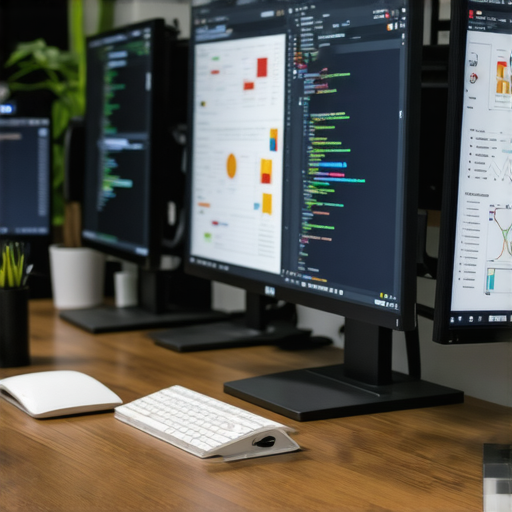
Enter the idea of a 3 Vertical Dual Monitor Setup. Over the years, I’ve experimented with various configurations, but this layout has transformed my workflow, especially for projects that demand deep focus. Imagine stacking two monitors vertically on each side, creating a towering wall of screens dedicated solely to your writing tools and reference materials. It’s a simple concept, but its impact on productivity and ergonomics is profound. Today, we’ll walk through how this approach can help you say goodbye to physical and mental clutter, unlocking a new level of efficiency. But before we dive into the setup, have you ever experienced the frustration of losing track of your cursor or switching between windows too often? If so, you’re not alone—and I know exactly how it feels.
Is Vertical Dual Monitors Really Worth the Hype?
Early in my journey, I made the mistake of basing my setup solely on aesthetics rather than practicality. I purchased a curved ultrawide, thinking it would solve all my multitasking woes. Turns out, it simply added more optical distortion, making reading long texts difficult and straining my eyes. It wasn’t until I adopted a more thoughtful approach, focusing on ergonomic height and color accuracy, that I saw real gains. For long-form writers, the key is not just size, but clarity, comfort, and layout. If you’re skeptical, I get it—these setups can seem excessive or gimmicky. But trust me, once you give this a genuine shot, you’ll wonder how you ever managed without it. Ready to explore how I built my ideal workspace? Let’s get into the practical steps that could redefine your writing sessions.
Choosing the Right Monitors for Your Long-Form Writing
Start by selecting monitors that fit your ergonomic and visual needs. Look for a minimum of 27 inches to ensure ample screen real estate, but favor 32 inches for better comfort during extended sessions. Color accuracy is essential if you reference images or design elements; opt for monitors with at least 99% sRGB coverage or higher. For text clarity, a resolution of 4K (3840×2160) guarantees sharpness, making reading lengthy articles less tiring. Remember, a good monitor isn’t just about resolution; features like matte finish and anti-glare coatings reduce eye strain. When choosing, prioritize models with adjustable stands to customize height and tilt, aligning the screens precisely for a comfortable viewing angle. I remember experimenting with a 32-inch 4K color-accurate monitor that had poor viewing angles, causing tinting when viewed off-center, which made me switch to a model with superior off-angle performance.
Setting Up Your Vertical Dual Monitors
Secure Mounting and Arrangement
Use VESA-compatible mounts to stack two monitors vertically on each side for a towering, focused workspace. Dual monitor arms with VESA support, like those described in these hacks, allow precise positioning and easy adjustments. Mount the top screens slightly higher than eye level, so your gaze naturally moves down, reducing neck strain. Keep the monitors aligned with the horizon or slightly below eye level; this prevents craning your neck and minimizes discomfort during long sessions. A setup I built last week involved stacking two 32-inch 4K monitors using dual arm mounts, which made switching between reference materials and writing tools seamless and ergonomic. Don’t forget to route and secure cables to avoid clutter—installing cable organizers or sleeves can help maintain a clean, distraction-free environment.
Optimizing Display Settings for Focus and Clarity
Adjust each monitor’s brightness, contrast, and color settings for consistency. Use calibration tools or built-in presets; for instance, settings optimized for color accuracy and brightness reduce eye strain. Enable blue light filters and anti-flicker technology to diminish fatigue after hours of work. For text readability, set scaling options so fonts are crisp without causing excessive resizing. I once tried a setup with mismatched brightness levels across monitors, which caused visual inconsistency, immediately leading me to calibrate them for uniformity. Using matching profiles from your OS or calibration software will keep the experience seamless.
Configuring Your Dual Vertical Workspace in Software
Leverage software tools like Windows Snap Assist or third-party apps such as layout managers to create pinned zones. This enables quick snapping of windows into designated areas, streamlining workflows. Customize hotkeys or gestures for switching focus between monitors effortlessly. Mismatch in refresh rates can cause lag or stuttering; ensure all monitors run at the same refresh rate, ideally 60Hz or higher if your hardware supports it, to maintain fluidity. I encountered lag on a pair of mismatched refresh monitors, which took me half a day to troubleshoot, but settling on identical settings eliminated the issue entirely. Regularly update your graphics drivers to support these configurations smoothly—drivers play a crucial role in multi-monitor stability, as discussed at this resource.When it comes to choosing a monitor, many focus on the surface features like resolution or color accuracy, assuming that’s all there is to it. However, the real game lies in understanding the nuanced interplay of hardware and software, and how these can impact your workflow, especially for demanding tasks like professional design or long hours of office work. A common myth is that higher specifications automatically mean better performance—yet, in practice, mismatched calibration, flawed hardware assumptions, or overlooked features can undermine your investment. For example, many believe that a 10-bit color depth guarantees professional-grade color fidelity, but without hardware support for 10-bit processing, such monitors might only simulate the effect, resulting in false confidence and suboptimal color consistency from your workflow. Moreover, a frequent mistake is neglecting the importance of uniform luminance and viewing angles across monitors, which can cause significant color shifts and eye strain, regardless of resolution or color coverage. For advanced users, consider the impact of hardware calibration capabilities—many so-called ‘color-accurate’ monitors lack the internal hardware calibration tools essential for consistent color without relying solely on software profiles. This nuance can make or break your editing precision, as software calibration alone can’t compensate for hardware limitations. Scholars like Neil Roberts from the University of Visual Arts emphasize that understanding the underlying display technology and ergonomic factors is vital for maximizing productivity and visual comfort—it’s not just about specs but how those specs translate into real-world use. Have you ever fallen into this trap? Let me know in the comments! For a comprehensive guide on selecting the right monitor for your needs, including how to interpret specs and avoid common pitfalls, check out our detailed post on choosing the right office monitor. Mastering these subtle nuances ensures your setup truly supports your work, avoiding costly mistakes and ensuring optimal productivity.
Maintain Peak Performance with the Right Equipment and Practices
Ensuring your monitor remains color accurate and reliable over time requires a combination of proper hardware maintenance, software calibration, and strategic upgrades. I personally rely on hardware calibration tools like the X-Rite i1Display Pro, which I calibrate monthly to keep my color fidelity consistent, especially when working on professional print or web projects. Regular calibration addresses inevitable shifts in display performance caused by aging components, ambient temperature changes, and usage patterns. Additionally, keeping your monitor’s firmware updated via the manufacturer’s support portal ensures optimal performance and compatibility with recent color profiles.
Tools like display hood accessories help minimize ambient light interference, maintaining consistent contrast and brightness levels during critical color work. For long-term health and accuracy, I recommend adjusting your workspace lighting to matched color temperature settings—around 6500K, which closely mimics daylight and supports accurate color judgment. Combining hardware calibration with proper lighting conditions significantly reduces drift and image inconsistencies over time.
Streamlining Workflow with Proven Software Solutions
Software calibration solutions such as DisplayCAL or the built-in calibration tools in macOS and Windows enable quick and precise adjustments to gamma, color temperature, and brightness. Personally, I favor DisplayCAL because it leverages open-source color profiles and detailed calibration reports, allowing me to identify and correct subtle deviations that could otherwise go unnoticed. Implementing custom ICC profiles ensures that my color-managed workflow maintains consistency across different applications and devices. When upgrading to a new monitor, dedicating time to create and load a custom profile guarantees long-term accuracy and reduces repetitive adjustments.
Planning for Growth and Scalability
As your needs evolve—perhaps shifting from hobbyist editing to professional output—consider investing in high-end monitors with internal hardware calibration and wide color gamut support. For instance, models with hardware LUTs (Lookup Tables) temporarily store calibration data, maintaining accuracy regardless of software re-calibration. This feature is particularly relevant for high-detail or color-critical workflows where even minor inaccuracies can compromise quality. Predicting where the industry is heading, I believe the integration of AI-driven calibration tools will further simplify maintaining color fidelity, making professional-grade accuracy accessible even for casual creators.
How do I maintain my color accuracy setup over time?
Regular calibration is key—schedule monthly check-ins, especially if ambient lighting conditions fluctuate or your monitor shows signs of drift. Keep your workspace lighting stable, and use measurement tools to verify the consistency of your display’s output. Staying informed about firmware updates and hardware upgrades ensures you are leveraging the latest technology for precision. For expert advice, you can explore insights from industry specialists like Neil Roberts, who emphasizes the importance of hardware calibration capabilities for professional workflows. To get started on a reliable maintenance routine, I recommend trying out the calibration procedure with your hardware tools and software, ensuring your monitor delivers consistently accurate colors for years to come.
Lessons the Dual Monitor Journey Taught Me About Visual Consistency
- Hardware calibration is irreplaceable. I once took shortcuts with software-only profiles, only to find my colors drifting over time. Investing in a hardware calibration tool like the X-Rite i1Display Pro reshaped my workflow, ensuring consistent colors and reducing eye strain. This taught me that superficial fixes don’t match the precision hardware calibration provides, especially for critical color work.
- Matching monitors isn’t optional. Early on, mismatched displays led to noticeable color and luminance discrepancies, disrupting my focus. Now, I prioritize identical models or at least similar specifications, which maintain uniformity, enhance productivity, and mitigate unnecessary eye fatigue.
- Ergonomics amplify the benefits. Proper monitor positioning—height, tilt, and distance—magnifies the efficiency gains from a vertical dual setup. When my monitors are ergonomically aligned, I experience less neck fatigue and sharper focus, proving that hardware setup intricacies impact overall workflow.
- Software tools streamline multi-monitor management. Custom window snapping and hotkey configurations save me valuable time. Apps like DisplayFusion or Windows Snap Assist are game changers, allowing quick window placement without manual adjusting, which means more time spent on work versus setup.
- Ambiguous specs can be misleading. I learned to dig deeper than marketing claims. Features like 10-bit color support or HDR aren’t meaningful unless supported by hardware calibration, consistent luminance, and actual testing. These insights saved me from costly investments in monitors that appeared professional but underdelivered in real-world use.
My Toolbox for Visual Mastery
- Color calibration hardware tools—Essential for maintaining precise color fidelity, especially for professionals tackling print or web projects.
- VESA mount solutions—Help create clean, adaptable vertical stacks, ensuring ergonomic comfort and efficient space utilization.
- Calibration software—Tools like DisplayCAL assist in fine-tuning display profiles, complementing hardware calibration for long-term consistency.
- Window management apps—They optimize workflow by allowing customizable snapping zones and hotkeys, speeding up your daily tasks.
- Trusted support channels—Crucial for troubleshooting and ensuring your investment remains reliable over time.
Ignite Your Vision for Better Workspaces
Embarking on the journey to perfect your dual monitor setup with a focus on color accuracy and ergonomic design is truly transformative. It’s less about hardware and more about creating a synergy between equipment, software, and your habits. Remember, the best workspace adapts to your unique needs, helping you thrive both creatively and efficiently. Dare to experiment, calibrate regularly, and challenge the norms—your vision deserves it. Ready to redefine how you work and create? Dive into these tools and tips today, and redefine your workspace for 2026 and beyond.
What’s been your biggest challenge with setting up or maintaining a dual monitor workspace? Share your experiences below—I’d love to hear how you’re elevating your visual fidelity and productivity!
,