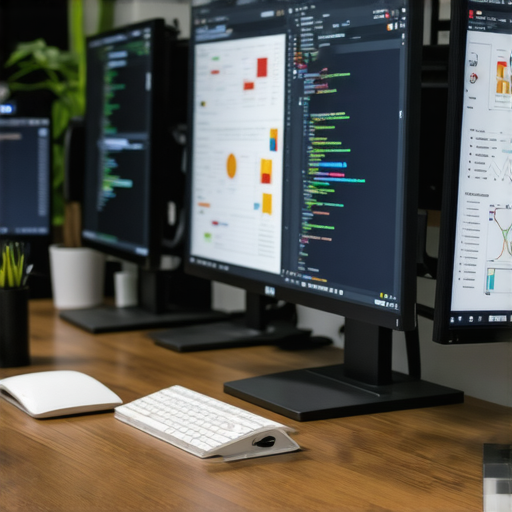

It hit me during a particularly long work session. I was staring at my dual monitors, battling a nagging neck ache that wouldn’t quit. One day, I caught myself hunching forward, trying to see every pixel clearly on my 4K displays. That lightbulb moment made me realize: my monitor setup was the real culprit. Ever since I adopted the 2026 dual monitor height rule, my neck pain vanished. Sounds simple, right? Well, that’s exactly what we’re diving into today. I’ll show you how aligning your monitors properly can transform your comfort and productivity.
The Power of Proper Monitor Height
Adjusting your monitors isn’t just about aesthetics or squeezing into a tiny desk. It’s about ergonomics—about *your* health. When monitors are positioned too high or too low, neck strain becomes inevitable. I worked for years under the misconception that stacking my screens higher would give me a clearer view. That was my mistake. The right height? It puts your eyes level with the top of the screens, minimizing strain and promoting good posture. According to health experts, proper monitor ergonomics can reduce neck and shoulder pain by up to 50%. Small change, big relief. And no, it’s not just about comfort—improved posture also means fewer headaches and better focus.
Are You Wasting Money on the Wrong Monitors?
Early on, I made the mistake of buying flashy, color-accurate monitors without considering sitting ergonomics. I thought top-tier specs would fix my discomfort. Spoiler: they didn’t. Instead, I learned that positioning beats the specs every time. If you’re serious about both performance and health, check out our recommendations for the best color-accurate monitors for creative pros in 2025, which include tips on optimal setup [here](https://monitors.techdeskessentials.com/best-color-accurate-monitors-for-creative-professionals-in-2025). Once you get the height right, those stunning displays can truly shine without hurting your neck.
Adjust Your Monitors for Instant Comfort
Begin by placing your monitors so that the top of the screens align with your eye level. Use a ruler or a height-adjustable stand to set the height precisely. Remember, your eyes should naturally gaze downward at about 10-20 degrees, reducing neck strain. I once stacked books under my monitor stand to hit this sweet spot, and the relief was immediate.
Perfect the Vertical Position
For those who spend hours coding or writing, vertical dual monitor layouts can boost efficiency. Position one screen in portrait mode at eye level, while the other remains in landscape for wider tasks. During my recent overhaul, I used a dual monitor arm to keep my vertical screen perfectly aligned, which cut down scrolling and improved focus. Check out this guide for detailed setup options.
Ensure Proper Distance and Angle
Optimal viewing distance is roughly arm’s length, about 20-30 inches from your eyes. Tilt the screens slightly upward (about 10-15 degrees) so that the center is directly in your line of sight. I used a foam wedge to tilt my monitor just right, which eliminated glare and made reading effortless. Proper positioning also minimizes eye strain, important for those long review sessions.
Managing Mismatched Monitors
If you have mismatched displays, use aligning tools like calibration software or physical spacers. During a project, I managed different-sized monitors by customizing color profiles and slightly adjusting the height of the smaller one using alignment techniques. Consistent positioning boosts productivity and reduces distraction.
Tweak Brightness and Color for Comfort
Set your monitor brightness to match ambient lighting—use auto-dimming or ambient light sensors where available. During evening work, I calibrated my color temperature to 6500K using dedicated software, which decreased eye fatigue significantly. Investing in monitors with built-in ambient light sensors makes this easier; learn more here.
Fine-tune Color Accuracy and Calibration
If you work with color-sensitive content, calibrate your monitors regularly. Use hardware calibration tools or software presets that auto-adjust brightness, contrast, and gamma. I started calibrating every month with a colorimeter, resulting in consistent colors across my workspace—vital for tasks like photo editing. For detailed calibration techniques, see this guide.
Manage Cables and Reduce Clutter
Use cable management solutions like under-desk trays and KVM switches to keep cables organized. During my setup, I installed dual monitor arms with integrated cable channels, which kept my desk tidy and improved airflow. This not only looks better but also prevents accidental disconnections or damage. For top suggestions, explore these tools.
Test and Iterate Your Setup
Finalize your positioning by sitting comfortably and taking breaks to assess fatigue. Adjust monitor tilt, height, and distance until the setup feels natural. I spent an afternoon experimenting with slight angle tweaks, which enhanced my focus during long work sessions. Record your preferred settings to replicate them easily, ensuring ongoing comfort. Remember, ergonomic perfection is iterative; constant adjustments lead to lasting benefits.
Many believe that purchasing the most expensive or highest-specification monitor guarantees color accuracy and productivity. However, in my extensive experience, this isn’t always the case. A common myth is that factory calibration alone ensures consistent color reproduction. In reality, even top-tier monitors can drift over time due to environmental factors like ambient light or outdated calibration profiles, leading to subtle color shifts that compromise editing precision. Regular recalibration using hardware tools is essential to maintain true color fidelity, especially in professional workflows like photo editing or print design. For advanced users, an overlooked nuance is the impact of panel technology—IPS panels generally offer superior color accuracy and wider viewing angles compared to TN or VA panels, but choosing an IPS that also has a consistent anti-glare coating can prevent tint shifts at different angles, which many fail to consider.
Another critical aspect is the misconception surrounding dual monitor setups. Many assume that simply matching monitor models and sizes will ensure seamless alignment and color consistency. Yet, mismatched panels, even of the same model, can exhibit subtle differences in gamma or brightness, leading to distractions and decreased efficiency. When setting up dual monitors, it’s vital to calibrate each display individually and use software to synchronize their color profiles. Furthermore, misaligned stands or inconsistent mounting heights can cause ergonomic issues and visual strain, diminishing the intended productivity gains.
For those working with 4K monitors, the complexity increases. The assumption that higher resolution automatically translates to better productivity neglects the importance of scaling, font clarity, and pixel density nuances. For instance, if a 4K monitor isn’t properly scaled or uses subpar rendering algorithms, text can appear blurry or flickering, nullifying the benefits of increased pixel density. Advanced users should verify the scaling settings and utilize apps with high-DPI support to fully leverage 4K resolutions without eye fatigue.
So, what about the advanced technician asking, “How can I optimize color accuracy in dual 4K setups without breaking the bank?” The answer lies in choosing monitors that support hardware calibration, have wide color gamuts, and can accept professional-grade calibration tools. Some models offer factory calibration reports and built-in sensors that automatically adjust color settings, which greatly reduces manual effort. Regular verification and recalibration are indispensable, especially over years of use, to prevent cumulative drift.
In conclusion, achieving true color accuracy and productivity in monitor setups involves understanding the nuanced interplay of technology, calibration, and ergonomics. Don’t fall for the misconception that your initial purchase guarantees long-term accuracy. Regular maintenance, choosing the right panel technology, and meticulous setup are key. For more in-depth advice, explore our recommendations on the best color-accurate monitors for creative professionals or tips on setting up dual monitors efficiently. Remember, the devil is in the details—let’s dig deeper. Have you ever fallen into this trap? Let me know in the comments.Maintaining an optimal monitor setup over time is crucial for sustained productivity and color accuracy. I rely heavily on hardware calibration devices like the X-Rite i1Display Pro, which allows me to perform precise color calibrations every month. This tool ensures my displays remain consistent, especially for creative work where color fidelity is non-negotiable. Coupled with calibration software like DisplayCAL, I can fine-tune brightness, contrast, and gamma levels to match industry standards, maintaining that perfect workspace. For cable management, I swear by adjustable cable sleeves and under-desk trays, which keep clutter at bay and simplify adjustments when tweaking my setup. Regular cleaning with anti-static wipes prevents dust buildup that can affect screen performance over time. Looking ahead, future monitors will integrate more automated calibration features, reducing manual effort and improving long-term consistency. I encourage fellow professionals to adopt hardware calibration tools for their daily maintenance—it’s an investment that pays dividends in color accuracy and workspace reliability. How do I maintain my monitor setup over time? I schedule monthly calibration sessions and routinely check for firmware updates from manufacturers, which often include performance improvements and bug fixes. For those seeking top-tier color precision, consider models recommended in our guide on the
[best color-accurate monitors for creative professionals in 2025](https://monitors.techdeskessentials.com/best-color-accurate-monitors-for-creative-professionals-in-2025). Remember, regular upkeep is key to preventing color drift and ensuring your workspace stays at peak performance. Don’t forget to explore advanced calibration techniques and keep your tools updated—these are the secrets to long-lasting monitor health and impeccable accuracy.Choosing the right monitor setup is more than just selecting high specs; it’s a journey into understanding how ergonomics, calibration, and subtle adjustments can elevate your work and well-being. My own experience taught me that investing in color accuracy and proper positioning pays off in reduced fatigue and improved focus. Remember, even the most advanced monitor won’t serve you well if misaligned or improperly calibrated. Regular calibration, ergonomic tweaks, and mindful cable management are key movements in the dance of productivity and health. Embrace these insights, keep experimenting, and you’ll unlock new levels of comfort and precision in your workspace—because your environment should work as hard as you do.