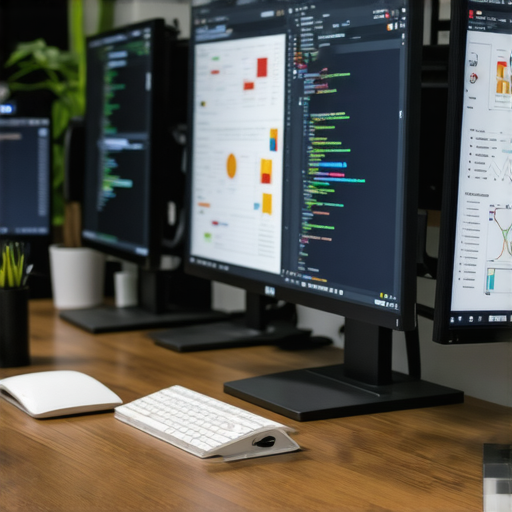
Ever had that frustrating moment staring at your single screen, desperately trying to multitask, only to realize your workspace feels cramped and chaotic? I remember the first time I tried to code on a tiny laptop screen while juggling a browser, a documentation window, and a chat app. It was a disaster. My productivity plummeted, and I spent more time flipping between tabs than actually writing code. That lightbulb moment hit me hard: I needed a better setup. And I’m here to tell you, a well-designed dual monitor setup isn’t just a luxury — it’s a game changer, especially in 2025, where seamless workflows define success.
Why Two Monitors Can Transform Your Workday
Let’s face it, our brains aren’t built for constant multitasking on a single screen. Switching back and forth between windows kills your flow, causes mistakes, and wastes precious time. Dual monitors create an expansive digital workspace, allowing you to have multiple applications open side by side. This isn’t just about convenience; it’s about efficiency. Studies show that multitasking with multiple screens can boost productivity by up to 20% – a significant margin that can make or break your workday.
Is a Dual Monitor Setup Really Worth the Investment?
Early in my journey, I made a costly mistake: I bought a second monitor just because everyone said I should. Turns out, if you don’t choose the right screens, you end up with eye strain, color mismatches, or poor ergonomics. The key is selecting monitors designed for your specific needs—whether it’s coding, creative work, or data analysis. The good news? There are excellent options in 2025 that balance performance, comfort, and affordability. Want to know more? Check out our detailed guide on dual monitor setup ideas for 2025.
So, have you ever faced the frustration of inefficient multitasking or eye strain from your current setup? If so, you’re not alone. The good news is, with the right monitors and a smart arrangement, you can turn your workspace into a productivity powerhouse. Ready to discover how? Let’s dive into the best dual monitor setups for 2025 and transform your workflow.
Start by clearing your desk and positioning your monitors at eye level to prevent neck strain. Place your primary monitor directly in front of you, with the secondary monitor to either side, forming a comfortable angle. Use a sturdy stand or adjustable arm for flexibility. I once struggled with a cluttered desk, but after organizing my monitors on adjustable arms, my workflow became noticeably smoother, allowing me to switch focus effortlessly between coding and research.
Select monitors based on your specific needs. For coding, opt for a 4K resolution monitor with high color accuracy and low input lag, like the top 4K monitors for office efficiency in 2025. Creative professionals should consider color-accurate displays such as those reviewed in best color accurate monitors for creative professionals in 2025. Matching monitor sizes helps maintain consistency and reduces eye fatigue. I personally found that dual 27-inch 4K screens created a seamless experience, nearly eliminating the need to switch windows frequently.
Set your monitors with consistent resolution, color profiles, and brightness levels. Use Windows or Mac display settings to align the color profiles, especially if working on creative tasks. Adjust scaling to ensure text and icons are comfortably readable. I recommend setting your primary monitor to a slightly higher refresh rate if possible, which reduces flickering during long coding sessions. For detailed configuration tips, visit ultimate guide to 4K office monitors for seamless work coding in 2025.
Use the ‘Extended’ display mode to spread applications across screens. Keep your coding environment on the primary monitor and auxiliary tools, documentation, or communication apps on the second. For quick navigation, assign hotkeys to move windows between screens. I once misaligned my windows, causing confusion, but after setting up a logical workspace layout, my speed increased dramatically. For ideas on optimal dual monitor arrangements, check top dual productivity monitors for coding and design in 2025.
Invest in ergonomic keyboard trays, adjustable stands, and anti-fatigue mats. Proper ergonomic setup prevents strain over long hours. I added a monitor arm for my secondary screen and an ergonomic keyboard, which allowed me to sit comfortably and focus longer. Regular breaks and eye exercises, like the 20-20-20 rule, also help maintain focus. For more ergonomic tips, see best office monitors for productivity in 2025.
Use window management tools like DisplayFusion or built-in OS features to snap windows into predefined zones. Create a consistent workspace for different tasks (coding, design, meetings) and save window layouts for quick access. I once wasted time rearranging windows manually, but now I use layouts that load with a keystroke, saving me valuable minutes daily. For further automation ideas, explore top dual monitor setups to improve workflow and coding efficiency in 2025.
When it comes to optimizing your dual monitor setup, many professionals fall prey to misconceptions that can hinder their productivity rather than enhance it. Let’s dig deeper into the nuanced pitfalls and myths that even seasoned users often overlook, and how to sidestep them for a truly efficient workspace.
Why Most People Overlook Ergonomics and Its Impact
A frequent mistake is neglecting ergonomic principles, especially when aiming for aesthetic or space-saving solutions. Many assume that simply placing monitors on a desk is enough, but proper alignment at eye level, distance, and angle is crucial to prevent strain. Incorrect setup can lead to chronic neck, shoulder, or eye problems, which ultimately reduce productivity and increase discomfort over time. According to a study by the Ultimate Guide to 4K Office Monitors for Seamless Work Coding in 2025, ergonomic adjustments are often the most overlooked factor in workspace design, yet they yield significant health benefits and improved focus.
Common Myth: Bigger Monitors Always Mean Better Productivity
Many believe that larger monitors, such as 32 inches or ultra-wide screens, automatically translate into higher productivity. However, this is a misconception. Oversized screens can cause visual fatigue, require more head movement, and sometimes create a cluttered workspace that hampers quick navigation. The key is matching monitor size with your workflow—large enough for clarity but not so big that it overwhelms your visual field. For coding or detailed tasks, a well-calibrated 27-inch 4K monitor often strikes the perfect balance, as discussed in best 4K monitors for office efficiency in 2025.
Why Overlooking Color Accuracy Can Be a Hidden Productivity Killer
For creative professionals or those working with visual content, ignoring color accuracy is a costly mistake. A dual monitor setup with mismatched color profiles can cause frustration and reduce work quality, especially when transferring files or comparing images. The nuance here is understanding that not all monitors are calibrated equally out of the box. Investing in color-accurate displays and calibrating them regularly ensures seamless workflows. Check out top color accurate monitors for creative work in 2025 for insights on calibration best practices.
Have you ever fallen into this trap? Let me know in the comments. Avoiding these nuanced mistakes can elevate your dual monitor setup from good to great, ensuring you get the most out of your investment and your workday.
Maintaining a dual monitor setup isn’t just about choosing the right screens; it requires ongoing care and smart tools to keep everything running smoothly over time. In 2025, the landscape of workspace technology continues to evolve, making it even more important to leverage the best tools and habits for long-term productivity.
How do I keep my dual monitors functioning flawlessly year after year?
First, investing in quality monitor cleaning supplies is crucial. Use a microfiber cloth combined with a gentle, alcohol-free screen cleaner to prevent dust buildup and smudges that can impair visibility. Regularly wiping the screens once a week ensures clear visuals and reduces strain. Additionally, employing software tools like DisplayFusion can help automate window management, allowing you to save and restore specific workspace layouts effortlessly, which is invaluable during long-term projects or frequent setup changes.
Personally, I rely on DisplayFusion’s robust hotkey system to quickly move windows across screens, keeping my workflow fluid. It also offers multi-monitor taskbars and customizable hotkeys, which streamline daily tasks and reduce clutter. As monitors age, their color accuracy and responsiveness can drift. To combat this, I calibrate my displays monthly using tools like Calibrize or professional hardware calibrators, ensuring consistent color and brightness. This is especially important if your work involves creative tasks or precise data analysis, where color fidelity impacts results.
Future Trends in Monitor Maintenance and Management
Looking ahead, expect AI-driven calibration tools that automatically adjust display settings based on ambient light and usage patterns, reducing the need for manual intervention. Cloud-based management systems will likely emerge, allowing centralized control over multiple workstations — perfect for teams or remote setups. Staying ahead means adopting these evolving tools early, ensuring your workspace remains efficient and comfortable for years to come.
Don’t forget, maintaining your setup isn’t just about hardware. Use ergonomic software features to remind you to take breaks and perform eye exercises. Combining physical care with smart management tools will keep your dual monitor setup performing at its best, no matter how long you work. Ready to optimize your workflow? Try configuring hotkeys with DisplayFusion today and experience immediate gains in efficiency.
For more detailed guidance on maintaining your monitors and workspace, visit our contact page.
The Hardest Lesson I Learned About Dual Monitors
One of the biggest realizations I had was that investing in high-quality, ergonomically aligned monitors made all the difference. Cheap stands or mismatched sizes led to discomfort and frequent adjustments, which broke my workflow. The secret was realizing that comfort and visual harmony are non-negotiable for sustained productivity.
3 Myths About Dual Monitors That Held Me Back
I used to believe that bigger screens always meant better work, but I found that oversized monitors can cause fatigue and unnecessary head movement. Also, I thought color accuracy was only for designers, yet mismatched profiles caused frustration even in code review. Clearing these misconceptions transformed my workspace into a true productivity hub.
What Experts Won’t Tell You About Maintaining Your Setup
Many overlook the importance of regular calibration and cleaning. Simple habits like monthly calibration with tools like Calibrize and weekly screen cleaning kept my monitors performing at their best, preventing color drift and glare that could reduce focus. These small investments in maintenance paid off in long-term efficiency.
My Essential Toolkit for a Seamless Dual Monitor Experience
I rely on DisplayFusion for window management and hotkeys, which dramatically speeds up workflow. An adjustable monitor arm ensures ergonomic comfort, and quality screen cleaners keep visuals sharp. These tools and accessories are my secret weapons for a smooth, productive day.
Your Turn to Transform Your Workspace
Now it’s your move—are you ready to optimize your dual monitor setup for maximum comfort and efficiency? Small adjustments can lead to big gains. Share your biggest workspace challenge below and let’s tackle it together!
Reading through this detailed post really resonated with my experience transitioning from a single cluttered monitor to a dual setup. I used to underestimate the importance of ergonomics until I started experiencing neck strain after long coding sessions. Investing in adjustable monitor arms and proper positioning was a game changer for me. I also found that regular calibration and cleaning significantly improved my workflow, especially when working with color-sensitive projects. One thing I’ve noticed is that over time, monitors can drift in color accuracy and responsiveness, so I calibrate them every few weeks using calibration tools. I’m curious, does anyone have recommendations for budget-friendly yet reliable calibration tools, or tips on how to streamline this maintenance without it becoming a hassle? Ultimately, creating a workspace that prioritizes both comfort and eye health has boosted my productivity immensely, and I’d love to hear how others optimize their dual setups to avoid common pitfalls like fatigue or disorganization.
This post really hit home for me because I recently upgraded to dual 4K monitors, and the difference in my workflow is incredible. I used to spend so much time toggling between tabs and dealing with cluttered screens, but now I have a dedicated workspace for coding on one screen and reference materials or chat apps on the other. One challenge I faced initially was managing the brightness and color consistency across both displays. I purchased a calibration tool recommended in the article, the Calibrite ColorChecker display, which has made my color workflows more precise and reduced eye strain. Regular calibration has become a part of my weekly routine, especially since screens can drift over time. For anyone looking to streamline this, do you set reminders or specific routines? I believe that also, investing in ergonomic accessories like adjustable arms and a good keyboard tray has helped me maintain comfort for long hours. Has anyone found that certain setups or accessories significantly boost your productivity besides the monitors themselves? Would love to hear your tips or experiences.