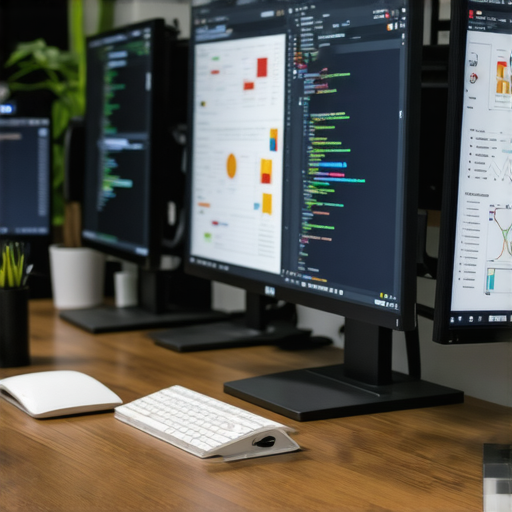
Ever sat in front of your screen, frustrated because the colors are off, or your workspace just doesn’t seem to work well together? I’ve been there. One morning I realized that my cluttered, mismatched monitors were not only killing my productivity but also giving me headaches. That was my lightbulb moment. I knew I needed a change, but I didn’t want to waste money on stuff that wouldn’t fix the real problem. So I started digging into the world of color-accurate and dual monitors, and what I found was a game-changer.
Why Your Monitor Setup Can Make or Break Your Day
It’s easy to overlook how much your workspace impacts your work. But trust me, if your monitors don’t match your needs—whether it’s for creative projects, coding, or just staying organized—you’re fighting an uphill battle. The right setup can boost your focus, save time, and even improve your mental health. According to a study published by the National Institutes of Health, eye strain and poor visual setups can drastically reduce productivity and increase fatigue. That’s why investing in quality, color-accurate dual monitors isn’t just a luxury; it’s a productivity essential.
Have You Faced This Problem?
Do you find yourself squinting at your screen, trying to match colors across different apps? Or maybe your workspace feels cluttered, with monitors that don’t quite fit together? I get it. The good news is, with a few strategic choices, you can turn your workspace into a powerhouse of efficiency. And I’ll show you how to do it step by step in this guide.
Choose the Right Monitors to Match Your Needs
Start by identifying your primary tasks—are you a designer, coder, or general user? For creative professionals, a color-accurate monitor is essential. I once bought a high-end color-calibrated display, only to realize later that it didn’t fit my desk space. Do your homework and compare models like the best color accurate monitors for creative work. Look for features like IPS panels, wide color gamut, and factory calibration. For dual setups, consider matching monitor models to ensure consistency in color and brightness across screens.
Calibrate Your Monitors for True Colors
Calibration is the secret sauce. Even the best monitors need fine-tuning to display accurate colors. Use tools like the Datacolor SpyderX or X-Rite i1Display Pro. When I calibrated my monitor, I saw a dramatic improvement in color consistency, which saved me hours in editing. Connect your calibration device, run the software, and follow the prompts to create an ICC profile. This step ensures that what you see on screen is what others will see, especially important for creative and professional tasks.
Align and Position Monitors for Seamless Workflow
Arrange your monitors to minimize neck strain and optimize workflow. Place your primary monitor directly in front of you at eye level. Use adjustable stands or arms; I used a dual monitor arm that allowed me to easily switch between screens and keep them aligned. When setting up a dual monitor configuration, aim for the top edges at the same height to avoid eye strain. For a more immersive experience, consider the dual monitor setup ideas to maximize your space and efficiency.
Color Match Across All Devices
Ensure your monitors are consistent in color. Use your calibration tool to match both screens, especially if they are different models. Keep calibration profiles updated regularly—once a month is a good rule of thumb. This consistency is critical if you’re doing creative work or color-sensitive tasks. I found that slight discrepancies between screens caused headaches during my design projects, so I made calibration a routine.
Adjust Brightness and Contrast for Comfort
Set your monitors to comfortable brightness levels that aren’t too harsh or too dim. Use your eyes as a guide—avoid glare and reflections. For long work sessions, enable blue light filters or use software like f.lux to reduce eye strain. I noticed that lowering brightness and adding ambient lighting significantly improved my focus and reduced fatigue.
Optimize Software Settings and Profiles
Configure your operating system’s display settings for color management. On Windows, access Color Management settings; on Mac, use Display Preferences. Load your calibration profiles for each monitor to ensure accurate color rendering across applications. Many professional software tools also allow you to specify color profiles for editing and design, maintaining color fidelity throughout your workflow.
Test and Refine Your Setup Regularly
Once everything is configured, test your setup with color test images and adjust as needed. I regularly review my calibration with online test images to catch any drift. Keep your monitors clean and dust-free, as dirt can affect display quality over time. Re-calibration every few months keeps your setup sharp and reliable.
Many enthusiasts and even some professionals fall into the trap of oversimplifying or misapplying principles of monitor calibration, which can lead to suboptimal results. Let’s dig deeper into what most people get wrong about color calibration, especially when setting up dual monitors for productivity or creative work.
Why Calibration Isn’t a One-Time Fix and How This Traps You
One of the biggest misconceptions is that calibration is a one-and-done process. In reality, monitors drift over time, and environmental factors like ambient light change, affecting color accuracy. According to a study by NIH, consistent calibration is essential to maintain visual fidelity, especially in professional settings. Failing to recalibrate regularly means your colors will become inaccurate, leading to issues in creative projects or color-sensitive work. This is why I recommend scheduling calibration sessions every 4-6 weeks, not just once.
Myth: All Calibration Tools Are Equal
Many believe that any calibration device will do the job, but the truth is, quality varies significantly. Cheaper models may produce inconsistent ICC profiles, which offsets the purpose of calibration. For professional-grade work, investing in trusted tools like the Datacolor SpyderX or X-Rite i1Display Pro ensures precision and consistency. Remember, calibration is only as good as the device used.
Advanced Question: How Do You Manage Multiple Monitors with Different Technologies?
For those using dual monitors of different brands or panel types (IPS vs TN, for example), calibration becomes trickier. You need to calibrate each monitor independently and then create separate ICC profiles for each. The goal is to match their color output as closely as possible, which might involve manual adjustments of brightness and contrast after calibration. Additionally, selecting monitors with similar specifications—such as color gamut and bit depth—reduces discrepancies. This nuanced approach is often overlooked and can cause frustrating mismatches, especially in creative workflows. For detailed guidance, check out the ultimate guide to color-accurate dual monitors.
Have you ever fallen into this trap? Let me know in the comments.
Keeping your dual monitors in top shape requires more than just initial calibration; it demands consistent maintenance and the right tools. Over time, dust, fingerprints, and environmental factors can diminish display quality, making regular upkeep essential. I personally recommend setting a monthly routine to clean screens with a microfiber cloth and a gentle screen cleaner—products like the Zeiss Screen Cleaning Kit are excellent because they prevent streaks and avoid damage. Additionally, inspecting cables and connections periodically ensures that image quality remains sharp and stable, preventing flickering or color shifts that can occur from loose or damaged ports.
Invest in Quality Calibration Devices
One of the best investments for long-term monitor accuracy is a reliable calibration tool. I consistently use the X-Rite i1Display Pro because it provides precise ICC profiles and is easy to use. Regular calibration—every 4 to 6 weeks—ensures your monitors stay color-accurate, which is especially vital if you’re doing professional creative work. These devices automatically adjust for drift and environmental changes, saving you hours of manual tweaking.
Utilize Software for Ongoing Adjustment
Beyond hardware calibration, software solutions like CalMAN or DisplayCAL help you fine-tune your displays over time. I prefer DisplayCAL because it’s open-source and supports a wide range of calibration devices. It allows me to create custom profiles tailored to different lighting conditions or specific tasks. Setting up profiles for various scenarios—such as daytime work versus late-night editing—can dramatically improve comfort and accuracy. Regularly updating these profiles ensures consistent results and prevents color discrepancies that can arise from ambient light fluctuations.
Monitor Environmental Factors
Ambient lighting plays a significant role in how your monitors perform over time. I recommend using bias lighting behind your screens, which reduces eye strain and helps maintain consistent perception of colors. Additionally, controlling room temperature and humidity prevents dust buildup and static, which can interfere with monitor electronics. Remember, even the best monitors can suffer from environmental wear if not properly managed.
Predicting Future Trends in Monitor Maintenance
Looking ahead, I believe advancements in self-calibrating displays will revolutionize monitor maintenance. Technologies like built-in ambient light sensors and automatic calibration will become standard, making ongoing adjustments seamless. For now, investing in quality calibration tools and establishing a maintenance routine is your best strategy to keep your workspace functioning optimally for years to come. If you’re serious about long-term performance, try integrating a calibration schedule with modern automation tools—your eyes and workflow will thank you.
How do I maintain my monitors over time?
The key is consistency. Set a regular schedule for cleaning, calibration, and environmental adjustments. Use trusted tools like the X-Rite i1Display Pro or DisplayCAL software to keep colors accurate. Don’t forget to inspect cables and connections periodically to avoid image quality issues. By staying proactive, you’ll extend your monitors’ lifespan and maintain the high quality of your workspace for years to come. For detailed guidance, check out our contact page for expert advice or to purchase recommended tools.
After years of tweaking my workspace, I’ve learned that the biggest game-changer isn’t just choosing the right monitors—it’s mastering the nuances of calibration, placement, and environmental control. These lessons are my secret weapons for turning a cluttered, mismatched setup into a seamless, color-accurate powerhouse that transforms your workday.
The Hardest Lesson I Learned About Dual Monitors
I used to think that buying high-end monitors was enough. It wasn’t until I realized that regular recalibration is essential that everything clicked. Monitors drift over time, and environmental factors change, so your color fidelity isn’t a one-time fix—it’s an ongoing process. Now, I schedule calibration every 4-6 weeks, which keeps my displays consistent and my creative work flawless.
What I Wish I Knew About Monitor Placement
Initially, I stacked my monitors without regard for ergonomics. That caused neck strain and inconsistent workflows. The breakthrough came when I learned to align the top edges at eye level and use adjustable arms. This not only eased physical strain but also created a seamless visual transition between screens, boosting my productivity and reducing fatigue.
The Impact of Ambient Light on Color Accuracy
Ambient lighting was an afterthought until I discovered bias lighting behind my monitors. It dramatically reduced eye strain and improved color perception. Now, I control my room lighting and use software like f.lux to adapt brightness and color temperature throughout the day, ensuring my workspace remains comfortable and my colors true.
Curated Resources for Staying Ahead
- X-Rite i1Display Pro: I trust this calibration tool for its precision and ease of use, keeping my displays perfectly color-accurate.
- DisplayCAL: An open-source software that offers deep customization for calibration profiles, ideal for nuanced control over multiple monitors.
- Color Management Best Practices: Regularly revisiting industry guides helps me stay updated on the latest calibration techniques and environmental considerations.
The Future of Monitor Maintenance Is Bright
Looking ahead, I believe that built-in self-calibrating displays will become standard, making ongoing maintenance effortless. Until then, establishing a routine with quality tools and environmental awareness keeps my workspace reliable and inspiring. Remember, a well-maintained monitor setup isn’t just about aesthetics—it’s about empowering your creative and professional potential every day.
What’s Your Next Step in Perfecting Your Dual Monitors?
Are you ready to implement a calibration schedule, or perhaps improve your monitor placement? Share your plans below—let’s learn from each other’s journeys to a more productive workspace.
This post really hits home for me, especially the importance of regular calibration. I used to think once I calibrated my monitors, that was it, but I’ve learned the hard way that environmental factors and monitor drift mean recalibration every few weeks is crucial. Making this a routine has drastically improved my color consistency, which is vital for my photo editing work. I also appreciated the emphasis on proper monitor placement—ergonomics are often overlooked but can cause real fatigue over time. Using adjustable arms has been a game-changer for me. One challenge I still face is managing mismatched older monitors alongside newer, calibrated ones. Has anyone found effective ways to harmonize different technologies without replacing everything? Overall, this guide offers some great actionable tips, and I’m curious about what other professionals do to keep multiple monitors synchronized.