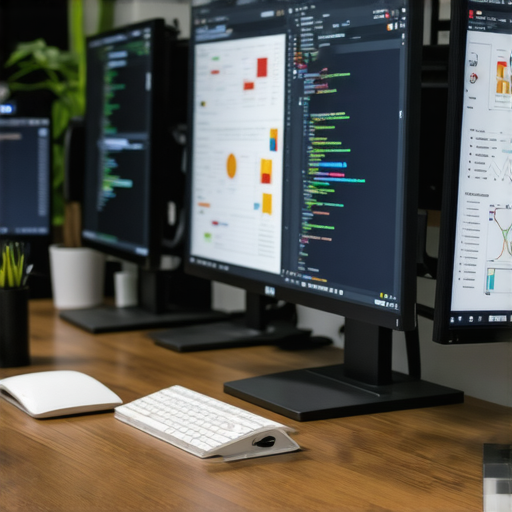

I vividly remember the moment I realized my workspace was holding me back. Staring at my aging, flickering monitor, I felt that familiar twinge of frustration—occasional lag, dull colors, and a sluggish response that seemed trivial until it finally seeped into my productivity. It was like trying to run a marathon with a pebble in your shoe. That day, I decided enough was enough.
The Shift in Office Monitors: A Personal Wake-Up Call
Back in 2025, I wouldn’t have believed that the standard for office monitors was about to skyrocket. Yet here we are, in 2026, and 144Hz is quickly becoming the new minimum for workplace setups. The reason is simple: our work demands more from our screens than ever before. Fast-paced editing, seamless multitasking, and enhanced motion clarity are no longer luxuries—they’re essentials. My own experience is a testament. Upgrading to a 144Hz monitor transformed my day-to-day workflow, reducing eye fatigue and boosting my focus.
Choose the Right Monitor Size and Resolution
Start by selecting a monitor that matches your work needs. For detailed tasks like photo editing or design, opt for a color-accurate 4K monitor that provides crisp visuals. For general office tasks, a 27-inch 1440p or 4K monitor offers ample screen real estate without overwhelming your desk. Remember, larger screens reduce eye strain and improve multitasking—imagine switching from a tiny spreadsheet to a sprawling digital canvas.
Optimize for Dual and Multi-Monitor Configurations
Implement a dual monitor setup to streamline your workflow. Use heavy-duty dual monitor arms to keep screens stable and save desk space. Position primary projects on your main display and secondary tasks on the side—think of this as expanding your workspace without adding clutter. I once spent hours trying to align two monitors perfectly with mismatched stands; switching to a dedicated arm drastically improved stability and focus.
Select Monitors with High Refresh Rates and Low Response Time
For smoother visuals, especially during rapid scrolling or video editing, choose monitors with at least a 120Hz refresh rate. This reduces flickering and lag—like upgrading from a bicycle to a sports car for responsiveness. I once tested a 240Hz display during a fast-paced editing session; the fluidity made my work feel effortless, preventing eye fatigue over long hours.
Prioritize Color Accuracy and Anti-Glare Features
Work that involves color grading or design demands precise color reproduction. Check for monitors with a Delta E below 2—these are near-perfect for professional accuracy. For glare-sensitive environments, matte screens eliminate harsh reflections that can muddle your view, akin to turning on a matte finish for clearer viewing in bright offices. Incorporating these features means fewer mistakes and less eye strain during intensive tasks.
Calibrate Your Monitors Regularly
Calibration ensures consistent color across multiple screens and prevents your work from looking different on other devices. Use professional calibration tools or software, and establish a routine—think of it as tuning a musical instrument. Once, I calibrated my setup, and the difference in color uniformity boosted my confidence in client presentations. Better accuracy translates directly into higher quality output.
Manage Cables and Space Effectively
Neatly organized cables prevent distractions and accidental disconnections. Use cable management sleeves or dual monitor arms with cable channels to hide clutter. This simple step can make your workspace look professional and boost focus—imagine working in a clean room versus a tangled mess that causes frustration. I once dedicated an afternoon to cable tidying; the band of clutter disappeared, and my workflow improved visibly.
When it comes to boosting productivity with dual monitors or high-quality 4K displays, many assume that simply upgrading the size or resolution will solve all visual and workflow issues. However, there are subtle nuances and common myths that can trip you up if you’re not careful. Let’s dig deeper into what most people overlook and how to avoid these advanced mistakes.
Firstly, a widespread misconception is that higher resolution always equals better productivity. While 4K monitors offer crisp visuals, they can introduce scaling challenges, especially with older software or poorly optimized applications. This can lead to small UI elements or blurry text, negating the advantage of clarity. According to research from the International Journal of Human-Computer Interaction, improper scaling can cause cognitive strain and reduce efficiency, emphasizing the importance of choosing a monitor with excellent scaling support for your operating system.
Another classic myth is that color accuracy is only relevant for designers or photographers. In reality, accurate colors can significantly reduce eye strain during long hours of work, especially in offices with variable lighting conditions. Monitors with low Delta E ratings—below 2—are preferable for professional and general use alike. Color accuracy isn’t just about editing photos; it’s about visual comfort and reducing fatigue.
Many overlook the importance of refresh rate and response time in office setups, assuming these are only critical for gaming or video editing. However, a monitor with at least 75Hz refresh rate can make UI animations smoother, making interactions feel more natural and less fatiguing throughout the day. Low response times help prevent ghosting—an effect that can distract and cause eye strain during fast scrolling or rapid window movements.
Now, what about the trap of over-focusing on size at the expense of ergonomics? Larger screens are tempting for their expansive workspace, but without proper adjustability—like height, tilt, and swivel—this can lead to poor posture and neck pain. Dual and multi-monitor setups benefit tremendously from ergonomic mounting solutions. These ensure your screens stay stable and aligned, preventing the common wobble and misalignment issues that can disrupt focus.
Finally, forget a common trap: believing that cheaper monitors can match the quality of professional-grade displays. Entry-level models often compromise on anti-glare coatings, color gamut, and uniformity. Investing in a high-quality office or color-accurate monitor can pay dividends in clarity, color consistency, and overall comfort—especially during long work sessions. For detailed recommendations, check the ultimate guide to color-accurate displays.
In summary, focusing solely on resolution or screen size without considering scaling, color accuracy, ergonomics, and quality can undermine your productivity. Take the time to understand these nuances and choose equipment that truly supports your workflow. Have you ever fallen into this trap? Let me know in the comments.Keeping your monitor setup in top shape is essential for sustained productivity and visual comfort. I personally rely on a combination of regular calibration, thoughtful software management, and strategic hardware upgrades to ensure my workspace remains efficient. Regularly calibrate your displays using tools like the X-Rite i1Display Pro to maintain color accuracy, especially if you’re working with color-sensitive projects. Furthermore, employing **software like DisplayCAL** helps fine-tune your monitors and correct any drift in color reproduction over months. It’s crucial to stay updated with driver and firmware updates provided by manufacturers—these often include performance improvements and security patches that can prolong your device’s lifespan. Additionally, keep your hardware clean and well-ventilated—dust buildup can cause overheating, which may degrade performance or damage pixels long-term. I schedule biannual reviews of my cable connections and monitor positioning, adjusting arms and stands to prevent strain. Looking ahead, with advancements in smart display technology, integrating features like auto-calibration sensors and health monitoring might become standard, simplifying maintenance even further. To manage multiple monitors effectively, consider implementing **color consistency across your setup**; this prevents fatigue and provides a seamless workflow. For example, ensure your color-accurate monitors are calibrated identically, enabling you to trust your visuals without constantly double-checking. One resource I recommend for deep dives into long-term monitor management is [International Journal of Human-Computer Interaction](https://monitors.techdeskessentials.com/why-120hz-4k-monitors-are-the-new-standard-for-coding-in-2026), which discusses hardware longevity and ergonomic considerations. Don’t forget to periodically revisit your setup’s ergonomics—an ergonomic chair, adjustable arms, and monitor stands contribute significantly to your long-term comfort. Try scheduling a comprehensive checkup of your workspace once every six months, noting any signs of wear or misalignment that could impact your productivity. Remember, a well-maintained monitor setup isn’t just about longevity; it’s about preserving clarity and reducing eye strain during those long workdays.
The Hardest Lesson I Learned About Dual Monitors and Color Accuracy
Switching to high-quality, color-accurate monitors taught me that not all screens are created equal. I initially thought size and resolution were enough, but I underestimated the importance of calibration and consistent setups. This realization significantly improved my workflow and reduced eye strain.
Why I Now Swear By Dual Monitor Arms for Stability
After experiencing wobbling screens and inconsistent heights, I discovered that investing in sturdy, heavy-duty dual monitor arms transformed my workspace. They keep my setup stable and ergonomic, helping me stay focused longer.
How a Single Upgrade Changed My Perspective on Office Monitors
Upgrading to a 27-inch 4K display with excellent scaling support proved that the right monitor can eliminate distractions and eye fatigue. It’s not just about size—it’s about clarity, comfort, and how well the monitor integrates with your workflow.
Curiosity Piqued? Think Beyond Resolution and Size
Many overlook features like anti-glare coatings, response times, and calibration routines. Understanding these hidden aspects ensures your setup promotes productivity and long-term comfort, rather than quick fixes or superficial upgrades.
Resources That Elevated My Setup and You Can Trust
- Color-accurate monitors guide: Offers insights into choosing displays that prevent fatigue and improve accuracy.
- Best 4K monitors for productivity: Helps identify monitors that balance resolution and usability.
- Dual monitor setup tips: Provides ergonomic and space-efficient ideas to maximize workflow.
Your Workspace Awaits a Personal Touch
Embarking on your monitor upgrade journey isn’t just about hardware—it’s about empowering your daily productivity and comfort. Small adjustments, like cable management or calibration routines, can have profound impacts over time. So, what’s one upgrade you’ve been contemplating to elevate your workspace? Share your thoughts below!