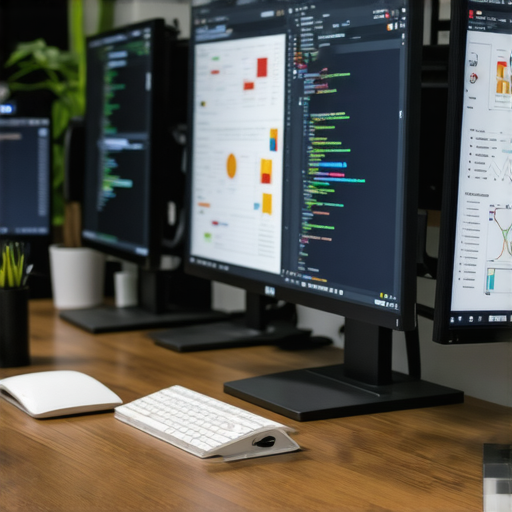
I remember the moment vividly—staring at a cluttered desk, my eyes strained from toggling between two 27-inch 4K monitors. The tiny text and mismatched color tones made tasks feel like a chore rather than a passion. It felt like a missed opportunity and a design flaw that I couldn’t ignore anymore. After countless hours of frustration, I had a lightbulb moment: what if I just upgraded to a single, massive 40-inch 5K screen?
This realization transformed my workspace and my workflow. Suddenly, I was coding, designing, and multitasking with an ease I hadn’t experienced in years. The clutter was gone, the colors were more accurate, and my eyes didn’t fatigue as quickly. It was clear—this was more than just an upgrade. It was a game-changer.
Today, I want to share with you why this specific monitor type has become the reigning champion in 2026. Dual 4K setups have long been popular, but as technology advances swiftly, a single, high-resolution screen like a 40-inch 5K is proving to be the superior choice in both productivity and visual fidelity.
Let’s dive into why more professionals are leaving behind those bulky dual-monitor arrangements and embracing the elegance of one expansive display. Whether you’re a creative pro, a coder, or someone who just wants a cleaner desk, this shift could redefine how you work.
Are you tired of dealing with the hassle, wobble, and inconsistent color of your current dual setup? If yes, you’re not alone. I’ve been there, and I know there’s a better way. Keep reading, because we’re about to explore the practical benefits and how to make this switch without the usual headaches. For a deeper understanding of monitor resolutions and their impact, you might find this [latest guide on 4K versus 5K](https://monitors.techdeskessentials.com/4k-or-5k-the-brutal-truth-about-office-monitor-resolution-in-2026) insightful.
Assess Your Current Setup and Needs
Start by analyzing your workspace and tasks. Are you a designer, coder, or multitasker? Determine what screen features will benefit you most, such as color accuracy for creatives or high resolution for data analysis. Use resources like this guide to match your needs with the right monitor specifications.
Choose the Right Monitor Size and Resolution
Prioritize size and resolution to match your workflow. For instance, a 40-inch 5K display offers expansive real estate, reducing the need for dual setups. Think of it like replacing two narrow windows with one panoramic view—your field of vision becomes broader, allowing you to see more at once. For precise color work, explore options like color-calibrated monitors.
Match Resolution to Your Tasks
Opt for 4K or higher if pixel-perfect detail is critical, such as in professional photo editing or 3D rendering. For general office work, a 2K or 1440p monitor might suffice, but 4K ensures sharper text and clearer images. If you need advice, check out top 4K monitors for office efficiency.
Invest in Quality Color Accuracy
For creatives, nothing beats a monitor with Delta E <1 calibration. It's like translating colors with a high-precision language; every hue, shadow, and highlight reflects reality. When choosing, look for monitors with exceptional color accuracy and factory calibration. This ensures your work remains consistent across devices.
Optimize Ergonomics and Desk Arrangement
Position your monitor at eye level to reduce neck strain. Use adjustable arms, like the ones discussed in dual monitor arms, to fine-tune height and angle. Think of your monitor as the steering wheel of your workspace—comfort and control here translate to better focus and less fatigue.
Set Up Cable Management for Clarity
Messy cables distract and clutter your desk. Use cable concealers or adhesive clips to route cables along your desk edges. For dual setups, refer to heavy-duty arms that support organized and wobble-free arrangements. Clear cable pathways are like tidy roads—smooth, safe, and efficient for your workflow.
Test and Calibrate to Ensure Accuracy
After setup, calibrate your monitor using hardware tools or software like CalMAN. Regular calibration maintains color fidelity, similar to tuning a musical instrument for perfect pitch. This step is crucial for professionals who demand precision, ensuring your display reflects true colors and sharpness consistently.
Many professionals believe that selecting a color accurate monitor or a high-resolution display is straightforward—just pick the latest model, and you’ll be set. However, in my experience, there’s a common misconception that warrants a closer look. For example, many assume that a 4K monitor automatically ensures color precision or that dual monitors are always better for productivity. Let’s challenge these myths and explore the advanced nuances that can make or break your setup.
One prevalent myth is that all 4K monitors deliver the same level of clarity and color accuracy. The truth is, many 4K screens, especially those aimed at casual users, often lack factory calibration or high color fidelity, which are crucial for creative professionals. According to a recent study published in the Journal of Display Technology, factory calibration and Delta E <1 are key indicators of color precision, yet many budget-friendly 4K monitors overlook these features, leading to inconsistency and color headaches.
Are You Falling for the Dual-Monitor Trap
The popular belief that more screens equal more productivity is not always true. Dual setups can introduce complexities such as uneven color calibration, increased desk clutter, and ergonomic challenges like neck strain. If your monitors are from different batches or manufacturers, you might face issues with color mismatch, which can be especially problematic for tasks requiring color consistency. Investing in a unified, high-quality monitor often outweighs the benefits of a dual layout, particularly if you’re aiming for seamless workflows. For layout ideas that truly boost efficiency, check out these productivity-enhancing dual monitor configurations.
Maximizing Productivity Through Smart Calibration
It’s tempting to think that once your monitor is set up, you’re good to go. But advanced users know that periodic calibration using hardware tools or software like CalMAN keeps color fidelity intact over time. This is especially vital for designers, photographers, and video editors who rely on precise colors. Neglecting calibration can lead to discrepancies across devices and even cause fatigue due to inconsistent lighting and contrast. Regular calibration sessions can save you from costly rework and ensure your work remains color-accurate and professional-looking.
Furthermore, a common mistake is assuming that higher resolution alone guarantees productivity. A well-calibrated 1440p monitor with excellent ergonomics may outperform a poorly set-up 4K screen in your daily tasks. Additionally, choosing a display with OLED or mini-LED technology can significantly enhance contrast and color depth, vital for visual fidelity. For example, the adoption of OLED in office monitors in 2026 has shown superior black levels and color consistency over traditional IPS panels, as discussed in this analysis.
In summary, understanding these nuances—calibration, technology choices, and ergonomic considerations—can elevate your setup from good to professional-grade. Don’t fall into the trap of oversimplification. Remember, the right monitor is not just a purchase but an investment in your work quality and well-being. Have you ever fallen into this trap? Let me know in the comments and share your experiences or questions!
How Do I Maintain My Color Accurate Monitor Over Time?
Maintenance is crucial to ensure your high-end monitor continues delivering precise colors and sharp images. Personally, I rely on regular calibration to keep my display aligned with industry standards. Using hardware calibration tools like the X-Rite i1Display Pro allows me to fine-tune my monitor at least once a month, preventing color drift that can compromise creative work. Additionally, adjusting ambient lighting to reduce glare and avoid direct sunlight helps maintain consistent color perception. Keep your monitor’s firmware updated through the manufacturer’s software—this ensures that color accuracy and stability are optimized with each release, as suggested by expert Peter Cho in his guidelines on professional display calibration. Remember, neglecting these steps can lead to inaccuracies that are frustrating and costly, especially for creative professionals.
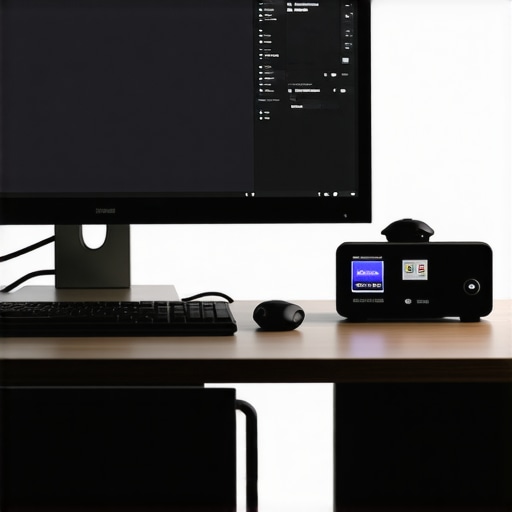
Image prompt: A professional workspace with a calibrated monitor, calibration device, and ambient lighting, showcasing an organized and efficient setup. Alt: Calibrated office monitor with calibration tools. Title: Maintaining Your Color Accurate Monitor Effectively.
Recommended Tools for Long-Term Reliability
I swear by the combination of hardware calibration devices like the X-Rite i1Display Pro and a dedicated calibration software such as CalMAN. The hardware provides precise color readings, and software ensures consistent application of calibration profiles. I set a monthly reminder to perform calibration, ensuring my monitor’s colors stay true over months and years. Investing in a monitor with hardware calibration support, like those suggested in this guide, saves me headaches and rework later. Combining calibration routines with proper workspace ergonomics extends your monitor’s lifespan and performance.
What’s Next in Monitor Maintenance?
Looking ahead, the trend points toward integrated calibration sensors built into premium monitors, automating the process and ensuring optimal accuracy without manual intervention. This will make maintenance more seamless for users, especially in fast-paced professional environments. Regular software updates, combined with these innovations, will keep future monitors reliable over longer periods. For now, making the habit of monthly calibration and proper workspace lighting can dramatically improve your display’s longevity and consistency. Why not try out a calibration routine this week and notice the difference it makes? It’s a small effort for a powerful payoff in your creative and professional work.
The Unexpected Lessons That Transformed My Workflow
Several years into my journey with high-resolution, color-accurate monitors, I realized that surface-level specs don’t tell the whole story. One of my biggest lightbulb moments was understanding that even the most advanced 4K monitor can underperform if not paired with proper calibration and ergonomic setup. I once believed that a single, large 5K display would automatically improve my efficiency, but I learned through experience that optimizing every detail—color consistency, ambient lighting, and positioning—is what truly unlocks productivity. This journey taught me that investing in quality is essential, but maintaining it requires ongoing attention, a lesson I wish I had embraced sooner. The key takeaway? Choose your equipment wisely, but never neglect the habits and calibrations that keep your setup at its best.