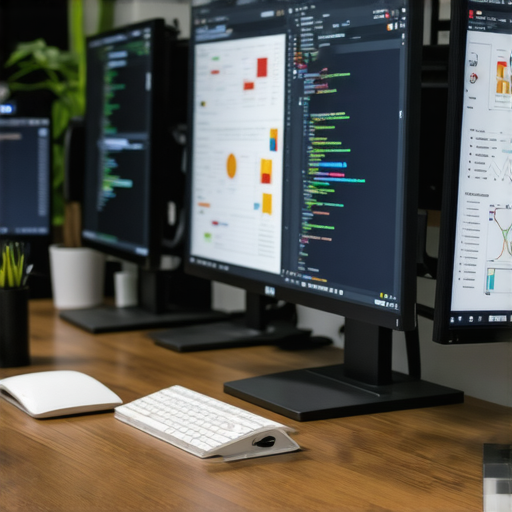
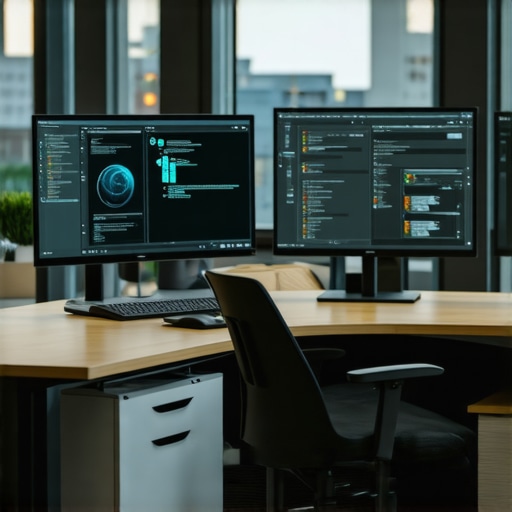
Ever found yourself staring at a screen, feeling overwhelmed by the clutter of windows, tabs, and tools? I’ve been there. One day, I realized that my chaotic workspace wasn’t just frustrating—it was actually holding back my productivity. That lightbulb moment led me down a rabbit hole of researching the best monitors for coding and design in 2025. Let me tell you, the right setup can transform your workflow, making tasks smoother and more enjoyable.
Why Your Workspace Needs an Upgrade Now
In 2025, the demand for high-quality, dual-monitor setups is skyrocketing among developers and creative professionals. A well-chosen monitor isn’t just a fancy gadget; it’s an essential tool that can boost your efficiency, reduce eye strain, and even improve your work quality. I’ve learned this the hard way, after years of using mismatched screens that left me squinting, scrolling endlessly, and battling with clutter. The truth is, a good monitor setup helps you focus, stay organized, and work faster.
Research from TechDesk Essentials shows that dual monitors can increase productivity by up to 42%. That’s a game changer, especially when working on complex projects or creative tasks that demand multiple tools and windows open simultaneously. But not all monitors are created equal. Choosing the right ones for coding and design in 2025 means understanding your needs—whether it’s color accuracy for visuals or screen real estate for multitasking.
If you’ve ever bought a monitor only to find it too dim, too blurry, or not color accurate enough, you’re not alone. I once made the mistake of prioritizing size over quality, only to regret it when my work suffered. Since then, I’ve learned to focus on features that matter—like resolution, color fidelity, and ergonomic design. And I want to help you avoid that same mistake.
What We’ll Cover Today
In this guide, I’ll walk you through the best options available for 2025—monitors that cater to the needs of coders and designers alike. From high-resolution 4K screens to dual setups that maximize productivity, I’ll share insights backed by real-world experience and expert reviews. Whether you’re upgrading an existing workspace or starting fresh, I’ve got you covered. Ready to transform your workflow? Let’s dive into how to pick the perfect monitors for your professional needs.
Is a Dual Monitor Setup Worth the Hype?
Many skeptics ask if investing in dual monitors truly makes a difference or if it’s just a luxury. I admit, I was hesitant at first, too. My early mistake was thinking a single, larger monitor could do the job. But after trying a dual setup, I saw my efficiency skyrocket. Multiple studies, including one from Harvard Business Review, support that dual screens can significantly boost productivity. Still, it’s not just about size; it’s about how well your monitors work together and fit your workflow.
If you’ve ever struggled with cramped screens or switching windows constantly, you know the frustration. Have you faced this problem? If so, keep reading—because I’ll help you find the best dual-monitor solutions tailored for coding and design in 2025. And if you want personalized advice, don’t hesitate to reach out.
Start with Clear Goals for Your Workspace
Before diving into specific monitor models, define what you need most. Do you prioritize color accuracy for creative work, or screen real estate for multitasking? I once bought a 32-inch 4K monitor without considering my workflow, which led to constant resizing and juggling windows. Instead, I now focus on matching monitors to my tasks, ensuring I get the right resolution and features. For detailed color work, check out this guide to color-accurate monitors.
Choose Monitors that Complement Each Other
Pairing monitors with similar specifications prevents frustrations like uneven color or brightness. For example, combining a 4K color-accurate display with a high-refresh-rate secondary monitor can boost productivity and visual consistency. Think of it as matching ingredients for a perfect recipe—each component should harmonize. When I set up my dual monitors, I selected a primary 4K IPS panel for color work and a secondary Full HD monitor for browsing. It made switching between tasks seamless. You can explore top options for dual setups in this article on dual monitor ideas.
Prioritize Resolution and Color Accuracy
For coding, a 4K resolution enhances clarity and workspace. For design, color fidelity is critical. I recommend looking into monitors that cover 100% of sRGB or AdobeRGB color spaces. When I upgraded my setup, I tested several models and settled on those with excellent color calibration, which improved my workflow significantly. To find the best options, check out this list of top color-accurate 4K monitors.
Optimize Ergonomics and Screen Positioning
Adjustability prevents strain and fatigue. Use adjustable stands or VESA mounts to align monitors at eye level, and keep the monitors close enough to avoid neck strain. I once neglected ergonomics and developed chronic neck pain; after reorienting my screens, the discomfort vanished. Remember, a comfortable setup boosts productivity. For ergonomic tips, see this office monitor guide.
Calibrate Monitors for Consistent Color
Calibration ensures your colors are accurate across both screens. Use hardware calibration tools or built-in software to fine-tune brightness, contrast, and color profiles. I calibrated my monitors using a colorimeter, which made my creative work more precise. Consistent colors streamline workflows, especially when switching between monitors. Learn more about calibration in this color calibration guide.
Test Your Setup in Real-World Scenarios
Once assembled, test your workspace with actual tasks. Open multiple coding windows, place design tools side-by-side, and see how the setup performs. Adjust as needed—sometimes a slight tilt or repositioning makes a big difference. I spent an afternoon rearranging my dual screens, which resulted in a noticeable boost in my workflow efficiency. Experimentation is key; your ideal setup is a work in progress.
Many professionals assume that investing in a high-resolution or color-accurate monitor automatically guarantees an efficient workspace. However, this is a misconception that can lead to costly mistakes and suboptimal setups. Let’s dig deeper into what most people get wrong about selecting monitors for coding and design in 2025.
Why the Focus on Specs Can Be Misleading
It’s tempting to prioritize specs like resolution, refresh rate, or color gamut. While these are important, overemphasizing them without considering your actual workflow can backfire. For example, a 4K monitor with excellent specs may seem ideal, but if your workspace isn’t calibrated correctly or if the monitor’s ergonomics are poor, your productivity might still decline. Remember, a monitor is a tool, not just a display of numbers. For comprehensive guidance, check out this list of top 4K monitors.
The Hidden Trap of Dual Monitors That Don’t Match
Many assume that any two monitors of similar size will seamlessly work together. The truth is, mismatched monitors—differing in resolution, color accuracy, or panel technology—can create visual inconsistencies that cause eye strain and reduce workflow efficiency. For instance, pairing a high-end IPS panel with a budget TN display may seem economical but can result in color discrepancies and uneven brightness. To avoid this, aim for monitors with matching specifications or calibrated profiles. You can explore suitable options in this dual monitor setup guide.
Don’t Overlook Ergonomics and Calibration
Many professionals overlook the importance of ergonomics and calibration, thinking these are secondary concerns. In reality, poor positioning leads to neck and eye strain, which diminishes productivity over time. Calibration, on the other hand, ensures your colors stay consistent, especially when working on visual tasks. Hardware calibration tools like colorimeters can pay off in the long run, providing reliable color fidelity. For detailed tips, see this ergonomic and calibration guide.
Are Higher Resolutions Always Better for Creative Work?
It’s a common myth that higher resolutions are always the best choice for design and coding. While 4K provides more workspace, it can also introduce scaling issues or require more powerful hardware. Moreover, not all tasks benefit equally—some creative professionals prefer a balance between resolution and color accuracy. The key is to assess your specific needs and hardware capabilities. For an in-depth analysis, visit this review of 4K monitors for creatives.
Have you ever fallen into this trap? Let me know in the comments. Avoiding these pitfalls will help you craft a workspace that truly enhances your productivity and comfort in 2025 and beyond.
How do I keep my monitor setup running smoothly over time?
Maintaining your monitor setup is essential to ensure consistent performance, color accuracy, and ergonomic comfort. Over time, dust accumulation, calibration drift, and hardware wear can diminish your workspace’s efficiency. Personally, I schedule regular cleanings using a microfiber cloth and compressed air to remove dust from vents and edges, which prevents overheating and prolongs device life. Calibration also tends to shift after a few months, especially in environments with fluctuating lighting. I recommend using a hardware calibration tool like the X-Rite i1Display Pro, which I’ve found invaluable for preserving color fidelity, especially when working on visual projects that demand precision. Regular calibration every three to six months keeps my monitors aligned and minimizes color discrepancies, which are critical for professional design work.
In addition to hardware upkeep, software updates play a vital role. Keep your graphics drivers and monitor firmware current. Manufacturers often release updates that improve color accuracy, resolve bugs, or enhance compatibility with new hardware or operating systems. I make it a point to check for updates monthly via the manufacturer’s support site or software utilities.
Another aspect often overlooked is the physical environment. Ambient lighting can cause glare or reflections, affecting your perception of colors and strain levels. I use adjustable blinds and soft, indirect lighting to create a balanced workspace. Ergonomics is just as crucial; regularly adjusting monitor height, tilt, and distance can prevent neck and eye strain.
Looking ahead, I predict that monitor calibration will become more automated with AI-driven tools. These will continuously monitor display performance and make real-time adjustments, much like how smart thermostats optimize temperature settings. This technology will reduce manual calibration frequency and ensure your workspace remains optimal without constant intervention.
To keep your setup working at its best, I recommend establishing a routine that combines hardware cleaning, software updates, calibration, and ergonomic checks. Don’t forget to document your calibration settings and any adjustments, so you can quickly revert or replicate setups if needed. For personalized advice or troubleshooting, don’t hesitate to reach out. Regular maintenance not only prolongs the lifespan of your monitors but also guarantees that your visual environment stays consistent, accurate, and comfortable, empowering you to produce your best work every day.
Designing a workspace that boosts your productivity isn’t just about buying the latest gadgets; it’s about understanding the lessons learned from real-world experience and expert insights. Over the years, I’ve uncovered several truths that most overlook when selecting monitors for coding and design. Here are some of the hardest lessons I’ve learned along the way:
- Size Isn’t Everything: I once believed that bigger monitors automatically meant better productivity. Turns out, resolution and ergonomics matter more. A 27-inch 4K display with proper calibration beats a 32-inch screen that’s hard to see clearly or causes neck strain.
- Matching Matters: Pairing mismatched monitors—say, a high-end IPS panel with a budget TN display—creates visual inconsistencies that fatigue your eyes and slow you down. Consistency in specs and calibration is key to a seamless workflow.
- Color Calibration Is Non-Negotiable: I used to skip calibration thinking it was unnecessary. After experiencing color shifts, I realized that hardware calibration tools like the X-Rite i1Display Pro are invaluable for maintaining color accuracy, especially for creative work.
- Ergonomics Affects Performance: Ignoring monitor height, tilt, and distance leads to discomfort that hampers productivity. Adjustable stands and VESA mounts are investments in your health and efficiency.
My Essential Toolkit for a Killer Workspace
- Top color-accurate 4K monitors: These have transformed my visual workflows by ensuring color consistency and clarity.
- Ergonomic stands and VESA mounts: Comfortable positioning reduces strain, making long work sessions more sustainable.
- Calibration tools like the X-Rite i1Display Pro: They keep my monitors calibrated and my colors true, no matter how long I work.
- Professional advice from experts: When in doubt, reaching out has saved me from costly mistakes and improved my setup significantly.
Take Action and Make It Happen
Your workspace is your creative sanctuary and productivity powerhouse. Investing time and resources into selecting the right monitors and accessories will pay dividends in your work quality and comfort. Remember, the best setup is a continuous work in progress—keep refining, calibrating, and adjusting. Don’t wait for the perfect moment; start today and watch your workflow transform.
What’s the biggest challenge you face when upgrading your monitor setup? Share your experiences below, and let’s grow together!
I completely agree with the emphasis on ergonomic setups and calibration in this post. When I first upgraded to a dual 4K monitor setup, I underestimated how much proper positioning and color accuracy would affect my work. I used to experience frequent eye strain and inconsistent colors that threw off my projects, particularly in photo editing and design. After investing in a good VESA mount and calibrating my displays with a hardware tool, I noticed a significant improvement not only in color consistency but also in my comfort during long work sessions. It makes me wonder how many professionals overlook these fundamentals and stick with outdated or mismatched hardware, thinking specs alone will suffice. Have others found that small tweaks in ergonomics or proper calibration can make such a difference? I’d love to hear your experiences or tips for maintaining and fine-tuning monitor setups over time.