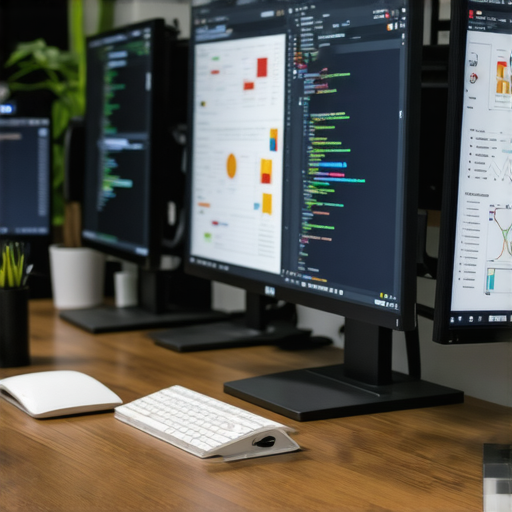
Ever sat down to code, only to realize your single monitor is a bottleneck that slows you down? I’ve been there. I remember the frustrating mornings when switching between tabs felt like a never-ending game of whack-a-mole. Then I had my lightbulb moment: doubling my screen real estate could transform my workflow entirely. But not just any dual monitor setup — I needed the right combination of size, resolution, and ergonomics to truly boost my productivity. Today, I’ll share how I cracked the code and what you need to know to do the same.
Why a Dual Monitor Setup Is a Game Changer for Coders
Let’s face it: coding involves juggling multiple windows — your IDE, browser, documentation, and perhaps a terminal or design tool. With a single screen, you constantly switch contexts, losing precious focus and wasting time. Dual monitors eliminate this chaos. They give you a dedicated space for each task, so you can see everything at once. According to a recent study, multitasking on multiple screens can increase productivity by up to 40%. That’s a game-changer, especially for developers who want to work smarter, not harder.
Have you ever felt overwhelmed by your cluttered workspace or the constant window-switching? If so, you’re not alone. I made the mistake early on of buying mismatched monitors that didn’t match my workflow, which only added to my frustration. That’s why choosing the right monitors is crucial — and I’ll guide you through that in the upcoming sections.
In this guide, we’ll explore the best dual monitor setups for coding in 2025, including size, resolution, color accuracy, and ergonomic tips. Whether you’re a seasoned developer or just starting out, your ideal workspace awaits. Ready to turn your cluttered desk into a productivity powerhouse? Let’s dive in!
,
Choose Monitors That Match Your Workflow
Start by selecting monitors that fit your specific needs. For coding, look for screens with at least 27 inches to comfortably display code and references side by side. Prioritize high resolution—4K displays are ideal for sharp text and details. Check the color accuracy if you also work with UI design or creative tasks. Use this comprehensive guide to pick the perfect monitors.
Position Your Monitors for Ergonomic Comfort
Proper placement reduces strain and boosts efficiency. Place the primary monitor directly in front of you at eye level, with the second monitor slightly angled inward. Keep both screens at the same height to prevent neck strain. Use adjustable monitor stands or arms for perfect positioning. I once spent hours troubleshooting a coding bug, only to realize my neck was sore from poor monitor placement. Correct ergonomics made me more focused and less tired.
Set Up a Seamless Workflow with Dual Screens
Arrange your workspace to maximize flow. Keep your IDE on the primary monitor, and use the second for documentation, browsers, or communication apps. Use window snapping features or software like DisplayFusion to organize your screens quickly. For example, I set up my code editor on the left and a browser on the right, switching focus with keyboard shortcuts. This setup reduced window clutter and kept me in the flow. Explore ideas for dual monitor configurations here.
Optimize Your Settings for Productivity and Comfort
Adjust display settings for clarity and comfort. Enable night mode if working late, and calibrate color settings for accuracy, especially if you do visual work. Set the refresh rate to 60Hz or higher for smoother interactions. Brightness and contrast should be comfortable for long hours. I learned this by slowly tweaking my monitor settings over a week, noticing how my eyes felt less strained and my focus improved.
Invest in Quality Accessories
Enhance your setup with quality accessories for better ergonomics and workflow. Invest in a good keyboard and mouse, and consider anti-glare screen protectors. Use cable management solutions to keep your desk tidy, reducing distractions. I added a monitor arm and a wrist rest, which significantly improved my comfort and productivity during long coding sessions.
By carefully selecting, positioning, and configuring your monitors, you can turn your workspace into a powerhouse of productivity. Want to explore more setup ideas? Check out these dual monitor ideas for inspiration.
Many developers believe that simply plugging in two monitors and arranging them on the desk will instantly boost productivity. However, this oversimplification overlooks several nuanced pitfalls that can undermine the very benefits you seek. Let’s dig deeper into what most people get wrong about dual monitor setups and how to avoid these common traps.
Why Bigger Isn’t Always Better Without Proper Calibration
While it might seem intuitive to opt for the largest, highest-resolution monitors available, many overlook the importance of calibration and matching displays. Mismatched screens—say, a 4K monitor paired with a lower-res one—can cause eye strain and visual inconsistency, leading to fatigue over time. Experts recommend investing in dual monitors with similar specifications, especially in resolution and color accuracy, to ensure a seamless visual experience. For instance, dual 4K monitors can provide crisp details for both coding and creative work, but only if they are properly calibrated.
Don’t Fall for the Myth That Dual Monitors Make You Multitask Better
It’s a common misconception that having more screens automatically translates into better multitasking. In reality, the key lies in how you organize your workspace. Poor placement or cluttered arrangements can create distractions rather than efficiencies. Advanced users understand the importance of workflow optimization—such as dedicating one monitor solely for coding and the other for documentation or communication apps. Using window management tools like DisplayFusion can help create a tailored workspace that minimizes unnecessary window switching. This approach not only saves time but also reduces cognitive load, a fact supported by research on workspace ergonomics.
Beware the Ergonomic Trap
Many developers focus on hardware specs but neglect ergonomics. Improper monitor height, inadequate arm support, or poor placement can lead to neck and eye strain, which diminishes productivity and health. The right setup involves aligning monitors at eye level, maintaining comfortable viewing angles, and using adjustable stands or arms. Remember, even the most advanced monitors won’t help if you develop chronic discomfort. Ergonomic mistakes are often silent productivity killers—so take the time to fine-tune your setup.
Have you ever fallen into this trap? Let me know in the comments. Understanding these nuanced pitfalls can make a real difference in creating a dual monitor setup that truly enhances your workflow rather than hindering it. For more detailed guidance, check out the ultimate guide to dual monitors, and start optimizing your workspace today!
Keeping Your Setup Running Smoothly
Once you’ve invested in a top-tier dual monitor setup, maintenance becomes key to ensuring your workspace remains productive over time. Regularly cleaning your screens with a soft microfiber cloth prevents dust buildup and preserves display clarity. I personally use a gentle screen cleaning solution combined with microfiber cloths, which keeps my monitors looking pristine without risking damage. Additionally, checking and updating your graphics drivers periodically ensures compatibility with new software updates and maintains optimal performance. This proactive approach minimizes glitches and reduces downtime, allowing you to focus on coding or creative tasks without unexpected interruptions.
How do I maintain my monitors and tools over time?
Developing a routine checkup schedule is essential. Allocate time weekly to inspect cables for wear or looseness, clean dust from vents and ports, and verify that monitor stands and arms are securely tightened. Keep your workspace ergonomic by adjusting monitor heights as needed, especially after long hours of work, to prevent strain. I find that setting reminders for driver updates and cleaning helps me stay consistent, which in turn extends the lifespan of my equipment and maintains performance quality. For detailed guidance, visit our comprehensive guide.
Tools I Recommend for Seamless Workflow
To keep my dual monitor setup running flawlessly, I rely heavily on software tools like DisplayFusion. This utility allows me to manage window positioning, create custom monitor profiles, and automate workspace organization — features that save me time and effort. I personally use DisplayFusion to snap windows precisely where I want them, which is invaluable during intensive coding sessions or multitasking. For color calibration, I prefer CalMAN, which ensures my monitors display accurate colors essential for creative work. These tools have become indispensable in maintaining a consistent, ergonomic, and efficient workspace. As the trend in workspace tech advances, integrating AI-driven management software is likely to become the norm, further simplifying setup and maintenance tasks.
Investing in Long-Term Tools and Practices
Beyond software, hardware upgrades like a reliable UPS (Uninterruptible Power Supply) protect your equipment from power surges and outages. Personally, I use a APC UPS that provides peace of mind, especially during power fluctuations. Regular firmware updates for monitors and peripherals also help prevent compatibility issues. I recommend scheduling quarterly reviews of your setup to reassess your tools and ergonomics, ensuring your environment adapts as your workflow evolves. Trying out a monitor arm with adjustable height and swivel can dramatically improve your posture, reducing fatigue during long coding hours. These investments and maintenance habits will pay dividends in sustained productivity and equipment longevity.
Looking ahead, the integration of AI-powered diagnostics and maintenance tools promises to revolutionize how we care for our workspace technology. For now, adopting a disciplined maintenance routine and leveraging the right tools—like display management software and ergonomic accessories—are your best bets for keeping your dual monitor setup working at peak performance. Ready to enhance your workflow? Consider trying out DisplayFusion’s window management features to see immediate improvements in your multitasking efficiency.
Lessons That Changed My Approach to Dual Monitors
- Size and Resolution Matter More Than I Thought: Initially, I believed bigger was always better. But I learned that matching resolutions and calibrating displays created a seamless visual experience that reduced eye strain and improved focus. Investing in similar specs for both monitors made a surprising difference.
- Ergonomics Can Make or Break Your Productivity: I used to overlook monitor height and angle, which led to neck pain and fatigue. Setting my monitors at eye level and using adjustable arms transformed my comfort and endurance during long coding sessions.
- Workflow Organization Is Key: Simply having two screens doesn’t guarantee efficiency. Dedicating specific tasks to each monitor—like coding on one and reference material on the other—and leveraging window management tools kept me in the flow and minimized distractions.
My Favorite Resources to Elevate Your Workspace
- Choosing the right monitors: A comprehensive guide that helped me select displays with perfect balance of size, resolution, and color accuracy for my needs.
- Color calibration tools: Essential for maintaining color accuracy, especially if your work involves design or UI development.
- Workspace organization tips: Creative ideas for arranging dual monitors to boost productivity and reduce clutter.
Seize the Moment and Transform Your Coding Environment
Building a dual monitor setup tailored to your workflow isn’t just about hardware; it’s about creating a space where you can thrive. Every tweak—whether ergonomic adjustments, calibration, or software enhancements—can elevate your coding to new heights. Don’t let your workspace hold you back. Embrace these insights, experiment, and watch your productivity soar. Ready to make your workspace work for you? The perfect dual monitor setup is within reach—start today!
What’s been your biggest challenge when setting up dual monitors? Share your experiences below and let’s learn together!
This article resonates a lot with my experience in setting up a productive coding environment. I used to underestimate the importance of ergonomics until I started experiencing neck and eye strain during long coding sessions. Investing in adjustable stands and color calibration really made a difference—not just in comfort, but also in focus and efficiency. I’d add that cable management is often overlooked but crucial for a clutter-free workspace, which minimizes distractions and helps maintain a professional setup.
On a related note, have others found productivity software like DisplayFusion to be a game-changer in managing multiple windows systematically? I’ve started using it recently, and it’s simplified my workflow so much. Would love to hear what specific tools or tips fellow developers swear by for maximizing dual monitor setups. Also, do you think that as displays become more affordable and advanced, the necessity for professional calibration will decrease, or will it remain a vital aspect of setup integrity?
Reading through this post really hit home—I’ve recently upgraded to a dual 4K monitor setup, and I swear, the difference in my workflow is night and day. What I’ve learned is that matching the monitors in resolution and color calibration is vital; mismatched screens can cause visual fatigue and even headaches over prolonged periods. Also, ergonomics has been a game changer for me. I used to hunch over my desk, but now with adjustable stands and arms, I keep my monitors at eye level, which greatly reduces neck strain. I wonder, for those who already have a multi-monitor setup, how have you optimized your workflow further? Do you use specific management tools or shortcuts? I’d love to hear more about accessories or hacks that others have found effective for boosting productivity without cluttering the workspace further.