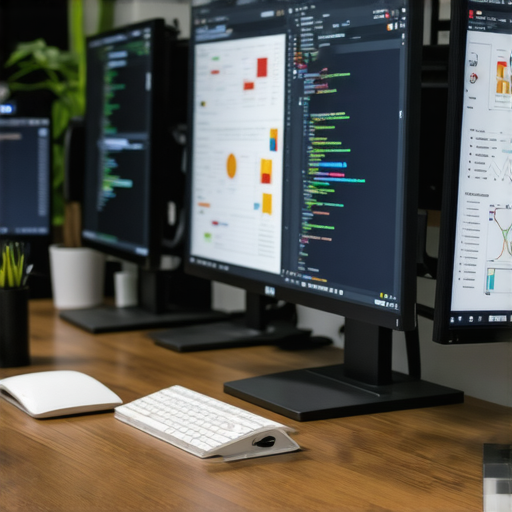
Ever spent hours staring at a dull, off-color screen, only to realize your work looks better on your friend’s monitor? I’ve been there. The frustration of inconsistent colors and poor clarity can turn a productive day into a frustrating puzzle. One lightbulb moment for me was finally understanding how much a truly color-accurate monitor can transform my creative projects and daily office tasks. It wasn’t just about prettier images; it was about precision, efficiency, and confidence in every pixel I see.
Why Investing in the Right Monitor Changes Everything
Choosing a top color accurate monitor isn’t just a luxury — it’s a necessity for anyone serious about their work, especially in creative fields or detailed office tasks. When I upgraded to a color-accurate display, my workflow became smoother, my edits more precise, and my stress levels dropped. The right monitor can eliminate eye strain, reduce mistakes, and speed up your project timelines. And with the rapid tech advancements in 2025, there are now options that combine stunning visuals with practical features like 4K resolution, dual screens, and ergonomic designs, all tailored for productivity and creative excellence.
Has This Ever Happened to You?
Maybe you’ve bought a monitor promising vibrant colors, only to find the colors look off or your images don’t match your printouts. Or perhaps you’re juggling dual screens, but the color mismatch makes it impossible to work seamlessly. I made that mistake early on — trusting marketing hype without verifying color accuracy. That cost me time, money, and a lot of unnecessary headaches. Since then, I’ve learned that a reliable, color-accurate monitor isn’t just a nice-to-have — it’s a game changer. Want to avoid my pitfalls? Let’s explore how to find the perfect display for your needs.
In the sections ahead, I’ll guide you through the key features to look for, real-world recommendations, and tips to set up an optimized workspace. Whether you’re into creative design, coding, or just want a crisp, eye-friendly office setup, I’ve got you covered. Ready to upgrade your screen and elevate your productivity? Let’s dive in.
Dial in Your Display Settings
The first step to ensure your monitor is color-accurate and sharp is to calibrate it properly. I remember plugging in my new 4K monitor for the first time, excited to see the vibrant colors, only to be disappointed by a bluish tint. I fixed this by accessing the monitor’s settings menu and adjusting the RGB levels, then running a calibration tool. For even better results, consider using professional calibration hardware, which can fine-tune your display’s color profile. Proper calibration eliminates guesswork, making your on-screen colors match real-world colors and printed materials. This is especially critical if you do creative work or product photography.
Optimize Your Workspace Environment
Lighting plays a crucial role in how your monitor appears. I once worked in a room with harsh overhead lights that caused glare, making my colors look washed out. To fix this, I adjusted my room’s lighting, adding soft ambient lamps and positioning my monitor away from direct sunlight. Dimming the lights and reducing reflections ensures your colors stay consistent and your eyes stay comfortable during long sessions. Think of your environment as the canvas on which your monitor’s colors are displayed—if the canvas is cluttered or poorly lit, even the best paint (or display) will look dull.
Selecting the Right Hardware for Your Needs
When I upgraded to a new color-accurate 4K monitor, I chose one with an IPS panel, wide color gamut, and factory calibration. These features are essential for professional creative tasks. If you’re into detailed editing or design, invest in a monitor with at least 99% sRGB coverage and factory calibration. For coding or general office work, a 4K monitor with good ergonomics and adjustable stands helps reduce eye strain and improve posture. Dual-monitor setups, especially those with color matching, can significantly boost productivity. For example, I now use a dual setup with two calibrated monitors, which streamlines my workflow. For ideas on how to set up your own workspace, check out dual-monitor setup ideas.
Adjust Brightness and Contrast for Comfort
Even after choosing the right hardware, tweaking brightness and contrast is vital. I once used a monitor with default settings that made my eyes tire quickly. Lowering the brightness to match my room’s lighting and increasing contrast slightly made a huge difference. Use your monitor’s OSD (On-Screen Display) menu to find a comfortable balance—aim for a setting that’s neither too dim nor too harsh. Remember, your goal is to make the screen’s luminance look natural and consistent with your surroundings. For guidance on top displays, visit top 4K monitors.
Implement Calibration and Profiling Tools
For precise color work, I recommend investing in calibration hardware like a colorimeter. I used a basic model, and after a few adjustments, my monitor displayed colors that matched my prints perfectly. Calibration software guides you through creating a custom color profile tailored to your monitor. Once calibrated, your color accuracy remains consistent over time. This step is crucial for creative professionals who depend on exact color reproduction. To find the best monitors with built-in calibration, check out best color-accurate monitors.
Maintain Your Display for Long-Term Accuracy
Monitor calibration isn’t a one-time fix. Over weeks and months, displays can drift, especially with aging backlights. I set a reminder to recalibrate every few months, ensuring my colors stay true. Keeping your monitor clean and dust-free also prevents image artifacts and maintains clarity. Additionally, setting your display to a consistent refresh rate (like 60Hz or higher for gaming and fast-moving content) keeps everything smooth. For multi-monitor workspaces, consistent calibration across screens prevents mismatched colors and flickering. For setup ideas, see dual setup guide.
Many professionals fall into misconceptions about office monitors, especially when it comes to choosing a 4K display or a dual monitor setup. One widespread myth is that bigger screens automatically mean better productivity. While size matters, the quality of the display—such as color accuracy and resolution—has a far greater impact on your work. For instance, a 27-inch 4K monitor with poor color calibration can be more frustrating than a smaller, well-calibrated 24-inch display.
Another trap many fall into is believing that all monitors with high specs are equally suitable for professional tasks. This couldn’t be further from the truth. For creative work, a color-accurate monitor with wide sRGB coverage and factory calibration is essential. Conversely, for coding or general office tasks, a high refresh rate or even a curved display might offer more comfort, but only if tailored to your workflow.
A common mistake is neglecting the importance of proper calibration. Many assume that factory settings are sufficient, but calibration hardware and software can significantly improve color consistency and accuracy, especially if you rely on precise color reproduction for print or design work. Not calibrating regularly can lead to color drift, making your work inconsistent over time. For advanced users, understanding the nuances of gamma correction and color profiling can make a real difference in maintaining accuracy.
**Have you ever fallen into this trap? Let me know in the comments!**
What many don’t realize is that monitor placement and environment can negate the benefits of a high-quality display. Glare, ambient lighting, and improper height can distort perceived color and contrast. Proper setup, including anti-glare screens and optimal lighting, is crucial for maintaining color fidelity.
Finally, a myth specific to dual monitors is that they are always better. Dual setups can boost productivity, but only if both screens are calibrated and matched in color and brightness. Mismatched monitors can cause eye strain and productivity dips. I recommend exploring dual monitor setup ideas to optimize your workflow effectively, which you can find at [dual monitor setup ideas](https://monitors.techdeskessentials.com/dual-monitor-setup-ideas-to-boost-productivity-in-2025).
**In conclusion, investing in the right hardware is just the start. Proper calibration, setup, and understanding the nuances of what makes a monitor truly effective for your work are what maximize productivity.** For more in-depth guidance, visit [choosing the ideal office monitor](https://monitors.techdeskessentials.com/choosing-the-ideal-office-monitor-2025-guide-for-professionals).
Maintaining a high-quality office setup isn’t just about choosing the right monitor—it’s about implementing the right tools and routines to keep your display performing at its best over time. As someone who relies heavily on dual 4K, color-accurate monitors for creative projects and productivity, I’ve tested various calibration hardware, software, and maintenance strategies to ensure my displays stay sharp, color-true, and reliable for the long haul.
Invest in Professional Calibration Equipment
One of the most impactful tools I use is a colorimeter like the X-Rite i1Display Pro. I personally chose this device because of its accuracy and ease of use. It allows me to create custom color profiles that keep my monitors calibrated to industry standards, which is essential for creative work and consistent color reproduction. Running calibration every three months is my routine, and I’ve found it drastically reduces color drift, ensuring my prints and digital work match perfectly. For those serious about color fidelity, investing in calibration hardware and software like these tools is a game changer.
Automate Calibration with Software
Beyond hardware, I use calibration software such as DisplayCAL. It’s open-source, highly customizable, and compatible with various calibration devices. I schedule calibration sessions during off-peak hours, which helps maintain color consistency without interrupting my workflow. Modern software can also generate detailed reports, so I can track when my monitors start to drift and recalibrate proactively. This automation ensures my color profiles stay accurate, especially when managing multiple displays with different panels or ages.
Routine Maintenance for Longevity
Hardware isn’t enough. Regular cleaning of your monitors—using microfiber cloths and avoiding harsh chemicals—prevents dust and smudges from affecting clarity and color accuracy. I also keep my workspace environment controlled; avoiding direct sunlight and using anti-glare screens minimizes reflections that can distort perceived colors. Additionally, I set my monitors to a consistent refresh rate, like 60Hz, to prevent flickering that can cause eye fatigue during long sessions. These small but consistent routines extend the life of your displays and ensure they function optimally for years.
How do I maintain color accuracy over time?
To keep your monitors performing at peak condition, establish a regular calibration schedule, ideally every three months. Use reliable hardware like a colorimeter, paired with calibration software such as DisplayCAL, to create and maintain precise color profiles. Clean your screens gently, control your workspace lighting, and ensure your monitors are set to consistent settings. Also, pay attention to the age of your displays; older panels may require more frequent calibration or eventual replacement. As technology advances, I predict integrated hardware calibration tools will become standard in high-end monitors, making long-term maintenance even easier. For example, some newer models now include built-in sensors that automatically calibrate themselves periodically—an exciting trend to watch.
Don’t wait until your display’s performance degrades—start implementing these tools and routines today. If you’re serious about your workspace, try using a calibration device like the X-Rite i1Display Pro and software like DisplayCAL to keep your monitors in pristine condition. Your eyes (and your work) will thank you.
The Hardest Lesson I Learned About Office Monitors and Color Accuracy
One of the most valuable lessons I discovered was that size and specs alone don’t guarantee productivity or visual quality. It took me months of frustration with mismatched colors and eye strain to realize that calibration and environmental setup matter more than just the monitor’s features. This realization transformed my workflow, emphasizing that investing in proper calibration tools and ergonomic workspace design pays off far more than chasing the latest specs.
My Secret Weapon for Consistent Color and Long-Term Performance
After experimenting with various calibration hardware, I found that a device like the X-Rite i1Display Pro combined with software such as DisplayCAL became indispensable. Regular recalibration every three months ensures my monitors stay color-accurate, which is critical for my creative projects and printing accuracy. This routine has saved me countless hours of rework and improved my confidence in every visual output.
Small Habits That Save Your Eyes and Your Work
Maintaining your monitor’s performance isn’t just about hardware; it’s a daily practice. Gentle cleaning, controlling ambient lighting to reduce glare, and setting a consistent refresh rate have made a noticeable difference. These small habits extend your monitor’s lifespan and keep your workspace visually balanced, which is vital for sustained productivity and comfort.
Ready to Elevate Your Workspace with Confidence
Implementing calibration routines and environment optimization has truly changed how I work with office monitors, 4K displays, and dual setups. If you’re serious about your productivity or creative output, don’t wait for issues to arise—start your calibration journey today. Your eyes, your work, and your future self will thank you.
What’s the biggest challenge you’ve faced with your monitor setup? Let me know below!