Ever been in the middle of a deadline, staring at a screen that just doesn’t cut it? Maybe you’ve squinted at a dull display, or worse, fought through eye strain because your old monitor can’t keep up with your creative flow or productivity demands. I remember those days vividly. I once spent hours tweaking color profiles on an outdated display, only to realize I’d been working with inaccurate visuals all along. That lightbulb moment hit hard: I needed a better monitor—something that could handle my creative needs while also making my workday smoother.
Why Your Monitor Choice Can Make or Break Your Day
Choosing the right monitor isn’t just about size or resolution; it’s about how well it integrates into your workflow, your creativity, and your comfort. When I upgraded to a 4K display, my productivity shot up. Colors appeared more vivid, details sharper, and multitasking became effortless. According to a study by the University of Utah, proper visual ergonomics can boost productivity by up to 20%. That’s a game-changer, right? But with so many options out there, how do you pick the one that truly fits your needs? That’s exactly what I’m here to help with.
Is All the Hype About 4K Monitors Justified?
Early on, I made the mistake of thinking any high-resolution monitor would do. Spoiler: it doesn’t. I bought a 4K monitor that looked great but had poor color accuracy and limited connectivity. It was a waste of money. The truth is, not all 4K displays are created equal. Some are better suited for creative work, while others excel in office tasks. The key is understanding what features matter most for your work—be it color precision, screen size, or ergonomic design. Want to avoid my rookie mistake? I’ve compiled everything you need to know in this guide and linked to some fantastic reviews like the best color-accurate monitors for creative work.
Whether you’re a designer, developer, or just someone tired of squinting at outdated screens, the right 4K monitor can revolutionize your space. Ready to ditch that old, tired display and step into a brighter, sharper, more productive world? Let’s dive into what makes a great 4K monitor for 2025, and how you can find the perfect fit for your workflow.
Select Your Ideal Screen Size and Resolution
Start by determining the primary tasks you will perform. For detailed design or video editing, a 27-inch or larger 4K monitor offers the workspace you need. I once upgraded from a 24-inch to a 32-inch 4K display, and the increased real estate drastically improved my workflow, reducing the need to constantly switch between windows. When shopping, look for a monitor with at least 3840×2160 resolution to ensure sharp images and text, critical for creative work. Check reviews on sites like top 4K monitors for office efficiency to compare options.
Prioritize Color Accuracy and Panel Type
For creative professionals, color accuracy is king. I learned this the hard way when I bought a high-res monitor that looked stunning but had poor color fidelity. I switched to a model with an IPS panel, known for better color reproduction and wider viewing angles, which was a game-changer. Look for monitors that cover 99% of sRGB or Adobe RGB color spaces. For an immersive experience, consider models linked in best color-accurate monitors. Also, check calibration options to fine-tune your display for precision work.
Implement Dual or Multi-Monitor Setups
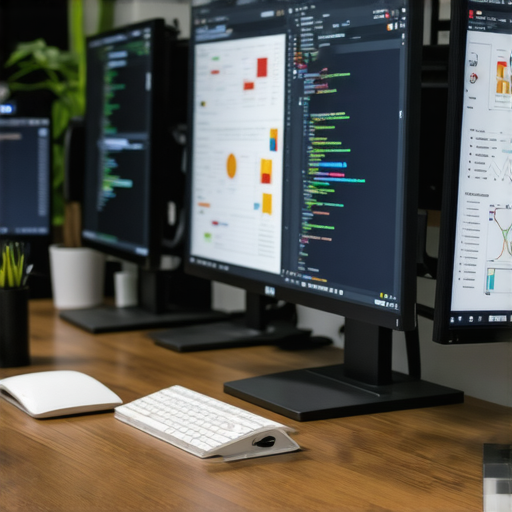
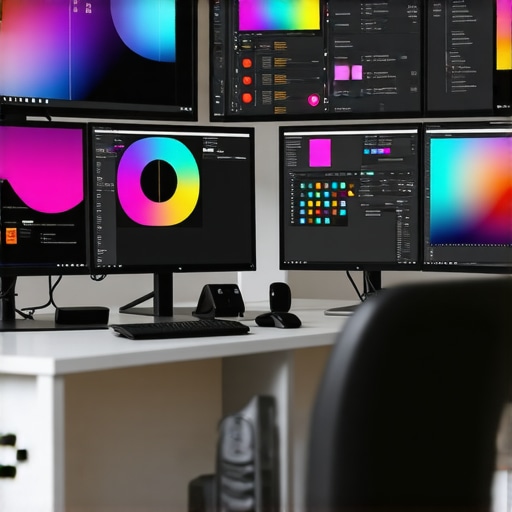
Maximize productivity by adding a second monitor. I initially struggled with desk space, but after setting up a dual monitor configuration using tips from dual monitor setup ideas, my multitasking improved significantly. Use matching monitors for seamless experience, or mix sizes for specific tasks—like a large main screen with a smaller auxiliary. Ensure your graphics card can handle multiple outputs, and consider ergonomic mounts for optimal positioning. This setup is especially beneficial for coding, design, or multitasking-heavy workflows.
Adjust Ergonomics for Comfort and Efficiency
Don’t overlook ergonomic features. I once bought a monitor with adjustable height, tilt, and swivel, which prevented neck strain during long work sessions. Look for monitors with VESA compatibility to attach to adjustable arms. Proper positioning—top of the screen at or slightly below eye level—reduces fatigue. Remember, a comfortable workspace enhances focus and productivity, making your investment worthwhile.
Compare Connectivity Options and Power Consumption
Choose a monitor with versatile connectivity—USB-C, HDMI, DisplayPort. I prefer USB-C for its single-cable convenience, which also charges my laptop. Check reviews for power efficiency; newer models often consume less energy, saving you money and reducing heat. If you need to connect peripherals, ensure enough ports are available to avoid clutter.
Test Before You Commit
Before finalizing your purchase, if possible, test the monitor in-store or order from a retailer with a good return policy. I once ordered a monitor online, only to find out the color calibration was off after setup. Luckily, I could return it and switch to a model with better reviews. Use calibration tools and review user feedback to verify your choice. For detailed specs and comparisons, visit ultimate guide to 4K color-accurate monitors.
Many professionals fall into traps due to misconceptions about office monitors, especially when it comes to 4K displays, dual setups, and color accuracy. Let’s dig deeper into what most get wrong and how you can sidestep these pitfalls to truly enhance your workspace.
Is Bigger Always Better When Choosing a Monitor
It’s a common belief that larger screens automatically lead to better productivity. While a 32-inch monitor might seem impressive, it can cause eye strain if your workspace isn’t set up properly. The key is choosing a size that fits your desk and allows you to view content comfortably without excessive head movement. For detailed work like photo editing or video production, a larger, color-accurate monitor is essential, but for general tasks, a 27-inch screen often strikes the perfect balance. Overlooking ergonomic factors and screen resolution can negate the benefits of size, making it a trap many fall into. For more tailored advice, check out this guide.
Why Most People Overlook Calibration and Color Precision
Many assume that buying a monitor with high resolution or a wide color gamut guarantees accurate visuals. The truth is, factory calibration varies greatly, and without proper calibration, your colors will be off, leading to inaccurate work, especially in creative fields. It’s a misconception that a $200 monitor can’t be color precise — in reality, some budget-friendly models with IPS panels and factory calibration can outperform pricier, uncalibrated screens. Regular calibration using professional tools or built-in software ensures your colors stay true, which is vital for design and photography. For top options, see color-accurate monitors.
Are Dual Monitors Always the Productivity Boost They’re Made Out to Be?
Dual setups are often praised as productivity miracles, but they can backfire if not configured properly. Many users simply place two monitors side by side without considering ergonomic placement or workflow. This can cause neck strain, inconsistent color calibration, or workflow fragmentation. The secret is to set up dual monitors as a seamless workspace—matching models, calibrated for color, and positioned at eye level. Proper arrangement minimizes eye and neck strain, and software tools can help manage window placement effectively. Curious about optimal configurations? Explore dual monitor ideas for inspiration.
Have you ever fallen into this trap? Let me know in the comments. Avoiding these myths can significantly improve your workspace, making your monitor investment truly worthwhile and boosting overall productivity.
Maintaining your office monitor, especially a high-resolution 4K display or a dual monitor setup, is crucial for sustained productivity and color accuracy. Over time, dust accumulation, calibration drift, and hardware wear can diminish your visual experience. That’s why I rely on specific tools and methods to keep my workspace performing at its best. In this post, I’ll share my personal routines, recommended equipment, and what I foresee for the future of monitor upkeep.
How do I maintain my monitors over time?
First and foremost, regular cleaning is essential. I use a microfiber cloth combined with a gentle screen cleaner specifically designed for LCD and OLED panels. Avoid harsh chemicals like alcohol or ammonia, which can damage coatings. For deeper cleaning, I recommend a gentle, lint-free cloth lightly dampened with distilled water. This prevents streaks and static buildup that can attract more dust. For dual or multi-monitor setups, I ensure all screens are cleaned simultaneously to maintain consistent visual quality across the workspace.
Next, calibration is key to preserving color accuracy, especially for creative professionals using color-accurate monitors. I personally use a hardware calibration tool like the X-Rite i1 Display Pro, which offers precise color profiling. Calibration software like DisplayCAL allows me to create custom profiles and schedule automatic recalibrations, ensuring my monitor’s color stays true over time. This is particularly important if you work with design, photography, or video editing, where even minor color shifts can impact your output. For ongoing calibration, I set monthly reminders to run these profiles, keeping my setup reliable and consistent.
Beyond calibration, firmware updates provided by monitor manufacturers can enhance performance, fix bugs, or improve compatibility. I subscribe to alerts from my monitor’s manufacturer or check their support site periodically. Regular updates, combined with hardware checks, extend the lifespan of your devices and prevent issues down the line.
Tools I recommend for optimal monitor maintenance
Besides my calibration hardware, I swear by a few essential accessories. A monitor stand with adjustable height and tilt not only improves ergonomics but also makes cleaning and adjustments easier. For dust prevention, I keep a compressed air canister nearby to blow out vents and ports—dust buildup in these areas can cause overheating or hardware degradation. Additionally, a screen protector can shield your display from scratches and smudges, especially in busy work environments.
Looking ahead, I believe the trend toward smarter, self-calibrating monitors will continue. Companies are integrating sensors that automatically adjust brightness and color based on ambient light, reducing manual intervention. Future firmware updates may even include predictive maintenance alerts, warning you when calibration is drifting or hardware needs replacement. Keeping your workspace tech-savvy and well-maintained will become more seamless as these innovations roll out.
If you want to take your monitor maintenance to the next level, I recommend trying a professional calibration tool like the X-Rite i1 Display Pro. Regular calibration ensures your visual output remains accurate, saving you time and frustration in the long run.
Remember, investing in proper maintenance tools and routines will extend your monitor’s lifespan and preserve the quality of your work. Don’t wait until dust, calibration issues, or hardware wear start to hinder your productivity—start your maintenance routine today and enjoy a brighter, clearer workspace for years to come.
The Hardest Lesson I Learned About Office Monitors and Productivity
One of my biggest realizations was that bigger isn’t always better. I once upgraded to a 32-inch 4K monitor, expecting a productivity boost, but I ended up with neck strain and eye fatigue because I didn’t adjust my workspace properly. It taught me that size must be balanced with ergonomic setup and resolution, especially for detailed creative work. This insight saved me from future mistakes and helped me choose monitors that truly fit my workflow.
Tools That Transformed My Monitoring Routine
After years of trial and error, I rely heavily on calibration tools like the X-Rite i1 Display Pro. Regular calibration with this device ensures my colors stay true, which is critical for my photo and video editing. Additionally, I use ergonomic monitor mounts to adjust height and tilt, preventing strain. These tools have made my workspace more comfortable and my work more accurate, proving that investing in the right equipment pays off in the long run.
Inspiring Action for Your Workspace
If you’re ready to elevate your office setup and harness the full potential of a high-quality monitor, now is the time. Whether it’s a color-accurate 4K display or a seamless dual setup, your productivity and comfort depend on making informed choices. Embrace the lessons learned, trust the right tools, and transform your workspace into a hub of creativity and efficiency today. Your future self will thank you for it!
What’s the biggest challenge you face with your current monitor setup? Let me know below, and let’s discuss how to overcome it together.
Reading this article really resonated with my own experience upgrading to a 4K monitor. I used to work on a smaller, outdated screen, and I didn’t realize how much it was affecting my accuracy and comfort until I made the switch. What struck me most was the importance of color calibration—something I overlooked initially. After investing in a calibration device, I noticed my photo edits became much more precise and consistent. I wonder how many creative professionals still rely on factory settings without calibration—could that be a hidden source of frustration or compromised work quality? Also, the tip about ergonomic positioning hit home; I recently added adjustable mounts, and the difference in neck strain was immediate. For anyone considering a new monitor, balancing size, resolution, and ergonomic features can truly transform the workday. Have others found particular brands or models that excel in both color accuracy and ergonomics? I’d love to hear recommendations or what features have made a noticeable difference in your workflow.
This post really hits close to home. I used to overlook the importance of color accuracy and ergonomic setups, thinking bigger screens and higher resolutions were the only way to go. Switching to a 27-inch 4K monitor with excellent color calibration has completely changed my workflow—now I can work longer without fatigue, and my design work is noticeably more precise. I’ve found that calibration tools like the X-Rite i1 Display Pro are worth every penny for maintaining consistency over time. Has anyone noticed a significant difference between various panel types, such as IPS versus VA, in real-world usage? I’ve been debating whether to upgrade to an OLED for even better contrast, but wondering about longevity and color stability over years. Also, I’d be interested to hear how other professionals manage their dual setups—any tips on software or mounting options to maximize comfort and productivity? Overall, investing in the right display and setup really makes a difference, and I’d recommend it to anyone tired of eye strain and subpar visuals.