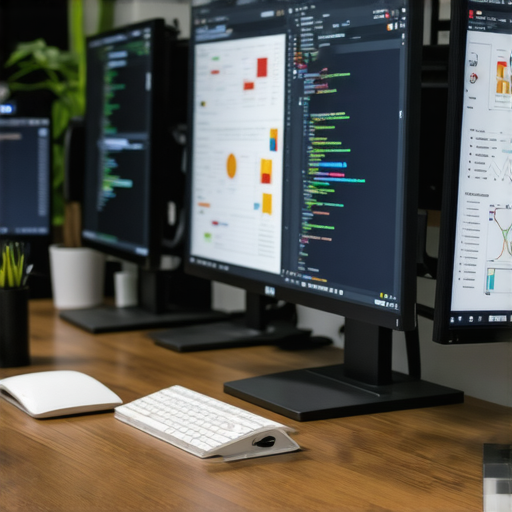
I remember the exact moment I realized my old monitor was holding me back. It was late evening, eyes strained, frustration mounting, trying to fine-tune a color-sensitive project. The screen’s dull hues and flickering refresh rate were giving me a headache — and worse, costing me precious hours. That lightbulb moment made me finally understand the importance of investing in a top-notch display. When I upgraded to a 4K monitor with true color accuracy and smooth performance, my workflow transformed. If you’re tired of battling subpar screens, you’re not alone. I’ve been there, and I know how overwhelming it can be to pick the right one amidst a sea of options. Today, I promise to guide you through the essentials, so you can find a monitor that elevates your creative projects and boosts productivity in 2025.
Why a Quality 4K Monitor Matters for Your Work
Choosing the right monitor isn’t just about size or resolution — it’s about the impact on your daily tasks, whether you’re editing photos, designing, coding, or just trying to get through your workday efficiently. A good 4K display provides razor-sharp clarity, making detailed work easier and reducing eye strain. Plus, color accuracy can make or break your creative projects. A monitor with high color fidelity ensures what you see on screen matches the final output, avoiding costly mistakes. And if you’re juggling multiple applications or working with complex spreadsheets, a larger, high-quality screen can significantly enhance your workflow. This isn’t just hype — studies show that dual-monitor setups can increase productivity by up to 20%, but only if those monitors are up to the task (source). So, investing in a suitable monitor is a strategic move for professionals aiming to maximize their output.
Is All the Hype About 4K Monitors Justified?
Early in my journey, I made a common mistake: I bought a 4K monitor without considering if my computer could handle it or if the display had the right color profile. That led to frustrating lag and inaccurate colors, which defeated the purpose. It’s vital to choose a monitor that aligns with your workflow and hardware capabilities. I’ll help you avoid that pitfall and focus on what truly makes a monitor stand out for creative and office tasks. Ready to discover the features that will make your workspace truly shine? Let’s dive into what you should look for and how to choose the perfect 4K monitor for your needs.
Choose the Right Hardware for Your Needs
Start by assessing your specific tasks. Are you editing photos, coding, or managing spreadsheets? For creative work, invest in a color-accurate 4K monitor that delivers true-to-life hues and precise details. For office tasks, focus on models with high resolution and ergonomic design to reduce fatigue. Remember, a monitor with adjustable height, tilt, and swivel will help you find the most comfortable viewing angle, boosting your productivity and comfort during long hours.
Calibrate Your Display for True Colors
Even the best monitor needs proper calibration. Use tools like a colorimeter or software calibration to ensure your display shows accurate colors. I once bought a top-rated creative monitor but ignored calibration; the colors looked off, and I spent hours troubleshooting. After calibration, everything clicked—colors matched my prints and client expectations perfectly. Regular calibration keeps your workspace reliable, especially if you work with design or photography. Check out this guide for detailed calibration tips.
Set Up a Dual Monitor for Seamless Workflow
Single screens can bottleneck your efficiency—think of it as trying to read a book with one eye closed. I once set up dual monitors without planning, placing one screen too high, which caused neck strain. After experimenting, I positioned both screens at eye level and used a dual setup guide, which drastically improved my multitasking. Use matching monitors for color consistency, especially if you work with visuals. For color-critical tasks, check out dual color-accurate monitors to keep your workflow seamless.
Optimize Your Workspace for Comfort and Efficiency
Position your monitor about an arm’s length away, with the top of the screen at or slightly below eye level. Use an adjustable stand or mount to fine-tune height and tilt. I once ignored this, leading to eye strain and headaches; after reconfiguring my setup, my focus and comfort improved markedly. Incorporate good lighting—avoid glare and reflections—and organize cables to reduce clutter. A clean, ergonomic workspace minimizes distractions, helping you stay focused on your work.
Regularly Update Your Software and Drivers
Ensure your graphics drivers are current to maximize display performance. Outdated drivers can cause lag, color inaccuracies, or resolution issues. I once faced flickering and lag until updating my GPU drivers; after that, everything ran smoothly. Keep your operating system and monitor firmware updated for optimal compatibility and features. Visit our contact page if you need help with hardware or software troubleshooting.
Many users fall prey to oversimplified beliefs about office monitors, 4K displays, and dual setups, which can hinder their productivity and lead to costly mistakes. Let’s dig deeper into some of these misconceptions and explore how to truly optimize your workspace for professional success.
Why do most people overlook the importance of hardware calibration?
It’s a widespread myth that once you buy a color-accurate monitor, you’re set for life. In reality, even the best displays drift in color fidelity over time. Regular calibration is essential for maintaining color precision, especially if you’re involved in creative work or need accurate color matching. Skipping calibration can cause discrepancies between your screen and the final output, leading to rework and frustration. Experts recommend recalibrating your monitor every few months, and tools like a colorimeter can simplify the process. Don’t fall into the trap of assuming calibration is unnecessary after setup; instead, view it as a routine maintenance step. For detailed calibration techniques, check out this guide.
How many assume that bigger always equals better?
Many believe that a larger monitor automatically boosts productivity. While a bigger screen can enhance multitasking, it’s not a one-size-fits-all solution. Oversized monitors can cause neck strain if not ergonomically positioned, and they might be unnecessary for tasks that don’t require extensive screen real estate. The key is to balance size with resolution and ergonomic setup. For example, a 27-inch 4K monitor offers a crisp workspace without overwhelming your desk, especially if paired with an adjustable stand. Remember, optimizing your monitor’s placement and setup matters more than just size. For setup tips, explore this comprehensive guide.
Is high refresh rate essential for office work?
Many believe that high refresh rates (like 144Hz or higher) are only necessary for gaming or video editing. However, in professional environments, higher refresh rates can reduce eye strain during long hours of use and make scrolling smoother, improving overall comfort. That said, most office tasks don’t require ultra-high refresh rates, and opting for a standard 60Hz or 75Hz display can save costs. The real focus should be on resolution, color accuracy, and ergonomic features. Prioritizing these ensures your monitor supports your workflow without unnecessary expenditure. To learn more about the best displays for office productivity, see this article.
Have you ever fallen into this trap? Let me know in the comments. The more we share, the better we can optimize our workspace setups for maximum productivity and comfort.
Maintaining your office and creative monitors over time is essential to ensure consistent performance and longevity. I personally rely on a few specific tools and methods that have proven effective in my workflow. First, investing in a high-quality hardware calibration tool, such as the X-Rite i1Display Pro, allows me to regularly recalibrate my color-accurate monitor. This ensures that the colors I see on screen remain true to life, which is vital for creative work. I calibrate my monitor every three months using the included software, which guides me step-by-step through the process, making it quick and reliable.
In addition to calibration hardware, I use specialized software like DisplayCAL, which is open-source and highly customizable. It interacts seamlessly with my colorimeter, providing detailed reports on color accuracy and consistency. This combination helps me catch drift early, avoiding costly reworks. For those who work with dual monitors, I recommend calibrating each display individually and then ensuring they match as closely as possible. Dual color calibration significantly reduces visual discrepancies, especially during complex editing tasks.
To keep my monitors clean and free of dust that can affect display quality, I use a microfiber cloth and avoid harsh chemicals. Regular cleaning maintains clarity and prevents dead pixels or uneven brightness. For ongoing software updates, I keep my graphics card drivers current through the manufacturer’s software (NVIDIA GeForce Experience or AMD Radeon Software). Updated drivers enhance compatibility with the latest monitor features and ensure smooth performance, particularly with 4K displays and high refresh rate setups.
Looking ahead, I believe the trend will move toward more integrated calibration solutions that automatically adjust for drift, combined with AI-powered color correction. These advancements will make maintenance even more effortless. For now, I encourage you to try a regular calibration routine with a trusted hardware device, which has transformed my workflow and saved me countless hours of troubleshooting. Regular maintenance isn’t glamorous, but it’s the secret to long-term productivity and professional quality in your display setup.
How do I maintain my monitor’s color accuracy and performance over time?
The key is consistency. Set a schedule to recalibrate every three to six months, use reliable hardware and software tools like those I mentioned, and keep your drivers up to date. Don’t forget to clean your screens regularly and check for firmware updates from your monitor manufacturer. By adopting these habits, your monitor will remain a reliable tool for your creative and professional tasks for years to come. Remember, a well-maintained monitor is a cornerstone of a productive workspace—invest in it wisely.
The Hidden Lessons That Transformed My Workspace
My biggest breakthrough came when I realized that my old monitor was silently sabotaging my productivity and creative potential. I used to ignore the importance of calibration, thinking a monitor’s factory settings were enough. That was a costly mistake that taught me to always recalibrate for color accuracy, especially when working with detailed visuals. Another lesson was understanding that bigger isn’t always better; ergonomic placement and resolution matter more than just size. Lastly, I learned that investing in dual monitors with matching color profiles can save hours of frustration and streamline my workflow. These insights didn’t just improve my setup—they revolutionized how I approach digital work, and I want you to experience that too.
Reading through this post really resonated with my own experience. I used to underestimate the importance of a good monitor until I faced constant eye strain and inconsistent colors while working on detailed projects. Upgrading to a high-quality 4K display with proper calibration has truly been a game changer, not just for my productivity but also for the quality of my work. I’ve also learned that regular calibration is crucial because even the best displays drift over time. I often wonder, how many creatives or professionals out there are missing out on this vital step? I’ve found that investing in a decent calibration tool and setting a maintenance schedule has saved me hours of rework and frustration. For anyone serious about their craft or work efficiency, what are your strategies for keeping your monitor performance optimal over the long haul?
This article really hits home about the significance of not just investing in a high-quality 4K monitor, but also maintaining it properly over time. Calibration is often overlooked, yet it’s crucial for ensuring color accuracy—especially for creative professionals like us working with detailed visuals or color grading. I’ve found that setting aside time quarterly to calibrate with a reliable software and hardware combo has saved me countless hours of corrected reworks. Aside from calibration, ergonomic placement makes a huge difference; I used to position my monitor too low, causing neck strain and fatigue, which affected my productivity. Having an adjustable arm or stand really transformed my workspace comfort. I’m curious, how many of you incorporate regular hardware checks or calibration routines into your workflow? Do you use any specific tools or software that you swear by for keeping your displays in top shape? Would love to hear your tips to keep those colors accurate and screens bright for professional use.