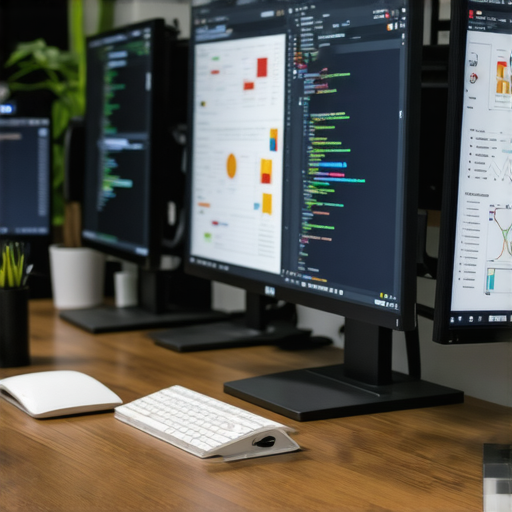
I’ll never forget the morning I sat down at my desk, eager to start a new project, only to be greeted by the dull, muddy prints that distorted my work’s colors. Frustration crept in as I realized my trusty monitor was betraying me, turning vibrant images into washed-out shadows. It was a lightbulb moment—my setup wasn’t cut out for the precision I demanded. Have you ever faced this disappointment, feeling like no matter how much you tweak your settings, the prints just won’t come alive?
Your Window to Pure, Accurate Colors Starts Here
Can Your Monitor Truly Do the Job, or Is It Just Overhyped?
Early on, I made the mistake of thinking all 4K monitors offered the same color fidelity. Turns out, I was duped by flashy specs and didn’t realize a true color accurate monitor requires specialized calibration and technology. The good news? I found that the right selection in 2026 finally puts muddy prints to rest, bringing clarity and vibrancy back to my images. Today, I’ll share how to choose these game-changing monitors and avoid common pitfalls that can sabotage your work. Ready to ditch dull prints and achieve the color precision you deserve? Let’s dive into what makes a monitor truly reliable for creative professionals and office setups alike—no more guesswork, no more mess.
Calibrating for Crystal-Clear Colors
Once you’ve chosen a suitable monitor, the critical step is calibration. Use hardware calibration tools like a colorimeter to adjust your display settings accurately. Connect the device, run calibration software, and follow the on-screen instructions. I once used a colorimeter on my new 4K monitor, which initially looked oversaturated. After calibration, colors appeared natural and consistent—saving me countless hours of messing around with settings. Proper calibration ensures your prints and digital visuals match closely, especially vital for creative tasks.
Adjusting Brightness and Contrast for Comfort
Set your monitor’s brightness to match your ambient lighting; too bright or too dim causes eye strain and distorted visuals. Contrast should enhance details without washing out blacks or exploding whites. During a late-night edit session, I lowered my monitor’s brightness, which reduced eye fatigue and improved focus. Avoid relying solely on default settings; tweak them until your display feels comfortable over extended periods.
Choosing the Correct Color Profiles
Select the appropriate color profile based on your work. For creative professionals, profiles like Adobe RGB or DCI-P3 enhance color gamut, making your work vibrant and true to life. For office tasks, sRGB suffices. Always verify that your OS and editing software are configured to use your monitor’s best profile—this consistency is key for accurate color work. I discovered this when switching from sRGB to Adobe RGB; my images gained depth, making my portfolio stand out.
Implementing Dual Monitors Effectively
For multitasking, dual monitor setups can boost productivity significantly, especially if set up correctly. Position your secondary monitor at eye level, directly adjacent to your primary, to minimize neck movement. Use different screen orientations if needed for specific tasks like coding or editing timelines. I once rearranged my workspace to place color-critical work on my calibrated primary, while email and research remained on the secondary. This clear separation reduced errors and kept my focus sharp. Learn more about dual monitor configurations.
Optimizing Your Workspace Lighting
Ambient lighting impacts how you perceive colors and contrast. Use soft, indirect light sources and avoid glare on your screen. During a recent upgrade, I installed adjustable LED strips behind my monitor, which provided consistent backlighting, reducing eye strain and improving perceived contrast. Proper lighting setup enhances color accuracy and reduces fatigue, which is crucial during long editing sessions.
Regular Maintenance for Long-Term Accuracy
Monitor calibration isn’t a one-and-done process. Regularly revisit your settings—every few months or after display hardware updates. Dust and fingerprint buildup can dull your screen’s clarity, skewting colors. I keep a schedule to recalibrate my main display and wipe the screen gently with a microfiber cloth. Doing so maintains the integrity of your visuals and prolongs your monitor’s lifespan.
Many professionals believe that simply adding a second monitor automatically boosts productivity, or that a high-resolution 4K display guarantees color precision. However, these assumptions often overlook crucial nuances. For example, a common misconception is that pairing a standard Office monitor with a color-accurate creative display will seamlessly merge productivity and precision, but mismatched color profiles and calibration settings can lead to discrepancies that sabotage your work quality. Additionally, the allure of ultra-wide or curved monitors can distract from the fact that, without proper calibration, these setups might distort color perception and reduce work accuracy.
What Advanced Mistakes Do Experts Avoid When Setting Up Dual or 4K Monitors?
One advanced error often made is neglecting the importance of hardware calibration tools, like a colorimeter, which are essential for maintaining true color fidelity over time. Ignoring the monitor’s panel technology is another trap; for instance, IPS panels offer better color consistency than VA or TN options, especially in dual setups, but many users choose cheaper alternatives that compromise visual quality. A study by DisplayMate highlights that even slight panel variations can impact visual accuracy, especially critical for creative professionals. Therefore, understanding these detailed nuances can make a significant difference in achieving both productivity and precision.

Now, don’t fall into the trap of thinking that any monitor will do for your workflow. Choosing the right combination involves assessing color profiles, calibration needs, panel technology, and ergonomic placement as detailed in this comprehensive guide. Remember, a well-calibrated, high-quality monitor tailored to your specific needs can elevate your work from good to exceptional. Have you ever fallen into this trap? Let me know in the comments.
Keeping your high-quality monitors in optimal condition requires more than just initial setup; it involves consistent maintenance and using the right tools to ensure long-term performance. Personally, I rely on a combination of hardware calibration devices, specialized software, and ergonomic accessories to sustain color accuracy and productivity. One of my go-to tools is the X-Rite i1Display Pro colorimeter, which I use monthly to recalibrate my primary color-accurate monitor. This device provides precise readings to adjust color profiles, ensuring consistency over time and preventing color drift that can compromise professional work. Regular calibration not only maintains visual fidelity but also extends your monitor’s lifespan.
How do I maintain my monitors over time?
Consistent cleaning is fundamental—dust and fingerprints can degrade display clarity and skew colors. I recommend using a microfiber cloth with minimal pressure to wipe screens gently, avoiding harsh chemicals that can damage coatings. Additionally, software tools like CalMAN or DisplayCAL facilitate ongoing calibration routines. For instance, I set a quarterly schedule to run calibration checks, which helps catch subtle shifts in color reproduction or brightness that could impact your work. Automating your calibration schedule with reminders ensures you never forget this vital step.
Investing in ergonomic accessories, such as adjustable monitor arms, ensures your setup remains comfortable and reduces physical strain, which can indirectly affect monitor longevity. I’ve found that maintaining a consistent, clutter-free workspace minimizes accidental damage and prolongs monitor health. Lastly, monitoring firmware updates for your display can resolve bugs and improve performance, so regularly check your manufacturer’s website or support channels. Advanced users might consider scripting calibration routines or integrating hardware tools with custom software to streamline this process further.
Looking ahead, I predict that future display technology will incorporate smarter calibration capabilities, possibly via AI-driven adjustments, making maintenance even more effortless. Upcoming innovations like self-calibrating screens could revolutionize professional workflows, especially for creative and office environments where color precision is paramount. To get started, I highly recommend trying out a hardware calibration device like the X-Rite i1Display Pro; it’s a proven investment that guarantees your monitor’s performance remains flawless for years to come. For more detailed advice, check out this guide on maintaining color accuracy.
What I Wish I’d Known When Starting Out with Dual Monitors
- Realizing that not all monitors are created equal was a revelation—my initial setup was overly reliant on resolution specs without considering color accuracy or panel technology, which led to disappointing results and wasted investment.
- Calibrating regularly truly sustains color fidelity over time; I learned this the hard way by neglecting routine adjustments, causing my work to drift from true colors and requiring constant correction.
- Ergonomic placement isn’t just comfort—it directly impacts your productivity and the lifespan of your high-end monitors; a crooked or poorly positioned monitor can cause fatigue and diminish visual precision.
- Understanding the role of hardware calibration tools, like a colorimeter, has been transformative—these devices prevent color drift, ensuring consistent accuracy in my professional projects.
My Toolkit for Peak Monitor Performance
- The X-Rite i1Display Pro remains my trusted companion; its precise readings maintain my color accuracy and give me confidence in my setup, especially during long editing sessions.
- DisplayCAL software is invaluable for routine calibration; it offers comprehensive control and insights, making it easier to keep my monitors in pristine condition without professional help.
- Adjustable monitor arms have revolutionized my workspace; they allow quick ergonomic tweaks, reducing physical strain and keeping my workflow seamless.
- My desk lamp with indirect lighting and adjustable brightness minimizes glare and reflections, elevating color perception and reducing eye strain during extended work periods.
Seize Your Creative and Productivity Potential Today
Building the perfect monitor setup isn’t just about hardware—it’s about creating an environment where your work can shine. Embrace the lessons learned, equip yourself with the right tools, and take control of your visual fidelity. The future of color accuracy and seamless workflow is within your grasp—commit to your setup today, and watch your productivity and creativity soar. Ready to make your workspace as precise and inspiring as you’ve imagined? Share your thoughts or questions below, and let’s keep the discussion going.
Reading through your detailed insights on achieving accurate color calibration really resonated with me. I remember first trying to set up my workspace and assuming that resolution alone would guarantee accuracy, but quickly learned that calibration is a game-changer. I personally rely on the X-Rite i1Display Pro as well, and I’ve found that scheduling monthly calibration checks helps maintain consistency over time, especially when working on color-sensitive projects. One thing I’d add from my experience is the importance of ambient lighting—having indirect, adjustable lighting behind the monitor has significantly improved my perception and reduced eye fatigue, particularly during long editing sessions. Have others found certain lighting setups to be more effective for color accuracy? Also, what experience do you have with self-calibrating monitors? I’ve heard they’re becoming more reliable and might simplify the maintenance process.
I completely relate to the frustration of muddy prints and color distortion—it’s such a letdown after putting in so much effort into a project. I’ve found that investing in a high-quality monitor with IPS panels really makes a difference, especially when combined with regular calibration. The mention of ambient lighting is spot on; having adjustable indirect lighting behind the screen diminishes glare and helps me judge colors more accurately during long editing sessions. I’ve recently started exploring self-calibrating monitors, and while they seem promising, I’m curious about how consistent their calibration remains over extended periods compared to dedicated tools like the X-Rite i1Display Pro. Has anyone here switched to self-calibrating screens, and what has been your experience regarding their precision and reliability? I’m keen to hear stories from professionals who’ve integrated these into their workflows. Ultimately, creating an environment optimized for accurate color work is crucial, and I believe combining the right hardware with proper workspace setup is key to avoiding those muddy prints and achieving true-to-life results.