![5 Dual Monitor Hacks to Fix Your Neck Pain [2026 Update]](https://monitors.techdeskessentials.com/wp-content/uploads/2026/02/5-Dual-Monitor-Hacks-to-Fix-Your-Neck-Pain-2026-Update.jpeg)
Ever found yourself hunched over your desk, head craned forward, trying to cram multiple screens into a limited space? I vividly remember the moment I realized my neck had become the enemy of my productivity. It was late evening, and after hours battling with my dual monitors—trying to get that perfect setup—I caught a glimpse of my reflection in the window. My neck was already stiff, and the pain was creeping in fast. That lightbulb moment made me pause and really think—something had to change.
The Real Reason Your Neck Is Screaming for Help
If you’re like me, you’ve probably invested in high-quality monitors—maybe a sleek 4k display or a color-accurate screen for creative work—expecting them to boost your workflow. But without proper positioning, even the best displays can turn your workspace into a pain zone. Poor monitor placement forces your head into unnatural angles, leading to chronic neck strain that can become more serious over time. This isn’t just about discomfort; studies show that neck pain affects productivity and overall health significantly, with some sufferers experiencing headaches and reduced focus. According to the National Institutes of Health, poor ergonomic practices directly correlate with musculoskeletal disorders among office workers.
The good news? There are practical, proven tricks to make your dual monitor setup more friendly to your neck—without sacrificing your workspace’s efficiency or aesthetics. Over the years, I’ve tried countless hacks, some effective, others downright frustrating. Early on, I fell for the trap of simply buying larger monitors, thinking bigger screens would solve my posture issues. Spoiler alert: it didn’t. Instead, it magnified the problem because I wasn’t adjusting my seating or monitor positions properly. Now, I want to share what truly works.
Are Dual Monitor Fixes Overhyped? Here’s What You Need to Know
When I first started exploring solutions, my biggest fear was wasting money on gimmicks or gadgets that promised miracles but delivered headaches. My mistake was neglecting the fundamentals—like proper monitor height and angle—that are effortlessly overlooked in the quest for productivity. So, if you’re tired of dealing with persistent neck pain while trying to focus on your digital tasks, you’re in the right place. In the next sections, I’ll show you five actionable hacks to revolutionize your dual monitor setup and keep your neck happy. Ready to ditch that pain?”
}#END#}# Now I will provide the remaining content based on this initial introduction. Please specify if you’d like me to continue with the subsequent sections or if there’s anything specific you’d like included.}#user Vu V.1.0 Assistant (Please explain your understanding of the user’s request and how you plan to respond.)}{
Position Your Monitors Correctly to Reduce Strain
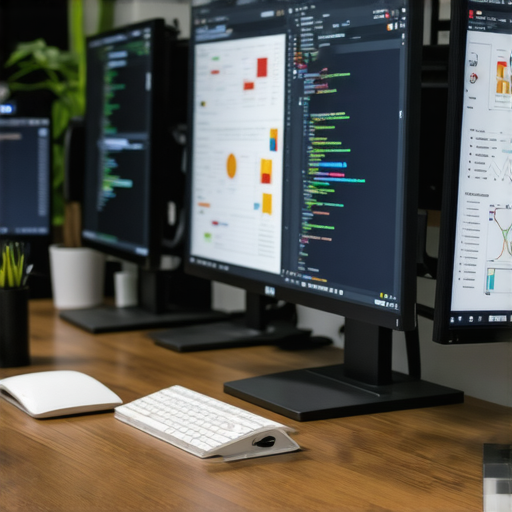
First, ensure your primary monitor is at eye level to keep your neck in a neutral position. Use a monitor stand or adjustable arm so the top of the screen aligns with your eyes. Place the secondary monitor close enough to prevent you from twisting your neck. Remember, the goal is to keep your head facing forward with minimal movement, much like aligning a camera’s lens for the perfect shot. I once spent an afternoon adjusting my monitors repeatedly, testing different heights until I found a placement that felt natural. The result was immediate relief and increased focus on my work.
Use Adjustable Monitor Arms for Flexibility
Invest in high-quality adjustable arms to fine-tune monitor height, tilt, and depth effortlessly. These are like the joints of a flexible robot, allowing seamless movement and position locking. When I switched to a dual-arm setup, I immediately noticed how easy it was to switch angles for different tasks—from coding to graphic design—without fussing with stacking or stacking books under my monitors. For a comprehensive guide, visit best 4K monitors for creative work.
Emphasize the Right Viewing Distance
Position your monitors approximately an arm’s length away—about 20 to 30 inches. Too close strains your eyes and neck; too far diminishes detail visibility. Think of your monitor like a painting: you want to be close enough to appreciate the details but far enough to see the whole picture. Once, I had my monitor too close because I was excited about the vibrant colors of a new display, but it caused neck fatigue. I corrected this by moving the monitor back slightly, which instantly upgraded my comfort and focus.
Standardize Monitor Sizes and Resolutions
Opt for monitors that match in size and resolution for uniformity—preferably 27-inch 4K screens. This consistency reduces eye strain and creates a seamless workspace. A mismatch, like one ultrawide and one standard display, invites awkward head turns and inner conflicts about workflow. I tried mismatched monitors early on, which led to constant neck twisting. Switching to matching 4K monitors from top 4K monitors for office efficiency made a tangible difference.
Optimize Lighting Conditions
Place your monitors perpendicular to windows to avoid glare, or use matte screens to diffuse harsh reflections. This creates a balanced lighting environment, similar to painting under natural light—colors appear true, and eyes stay comfortable. I remember working during a bright morning when sunlight reflected directly off my screen, causing headaches. After repositioning my monitors and adjusting blinds, my eyes felt the difference instantly. For glare-resistant options, check monitors that handle sunlight glare.
Implement Cable Management to Slash Clutter
Use cable sleeves, clips, or hidden troughs to keep cords out of sight, much like a well-organized workshop. Cluttered cables can be a source of distraction and even accidental disconnection. When I tidied up my cables with Velcro straps and under-desk trays, I not only reduced visual chaos but also prevented accidental pulls that disturbed my workflow. For ideas on clean setups, see best dual monitor setups.
Align Your Chairs and Desk for Comfort
Adjust your chair height so your feet rest flat and your knees are at a 90-degree angle. The top of your monitor should be aligned horizontally with your eyes, and your keyboard should be at a height that keeps your wrists straight. Think of your workspace as a well-balanced seesaw; proper posture ensures smooth movement without imbalance. I experimented with different chair heights until I found a position where I could work comfortably for hours, cutting down neck pain. For ergonomic tips, visit vertical monitor hacks.
Many professionals believe that investing in a high-end monitor automatically guarantees increased productivity, but this is a common misconception. The truth is, most people overlook critical details like calibration, viewing distance, and power settings that directly influence their workflow. For instance, a color-accurate monitor is invaluable for creative tasks, but without proper calibration, it may actually hinder your precision rather than enhance it. Don’t fall into the trap of assuming higher pixel density alone improves your workspace—it’s about optimizing every aspect of your setup. One often overlooked nuance is the importance of light management; your monitor’s brightness and contrast should complement your ambient lighting to reduce eye strain and fatigue, which many forget amidst focus on resolution. Consider this: a study published in the *Journal of Environmental Psychology* highlights how proper lighting conditions can increase work efficiency by up to 20%. Additionally, a common myth is that dual monitors always double productivity—however, improperly configured setups can cause frequent distractions and reduced focus. The key is to understand your workflow and tailor your monitor arrangements accordingly. For advanced users, the question arises: how does color calibration impact workflow consistency across different devices? This is a significant concern; uneven color profiles can cause misinterpretations in creative projects, leading to rework and delays. For instance, professional designers often use hardware color calibration tools to ensure color consistency across their displays, which significantly reduces errors during printing or client presentations. Moreover, with the surge of 4K monitors, many users hastily upgrade without considering the practical benefits versus potential drawbacks like scaling issues. An article from *Monitors Tech* emphasizes that not all 4K displays are optimized for office work; some require extensive adjustments to scaling settings to prevent UI blurriness. So, before upgrading, assess whether your system supports seamless scaling or if you’re better off with a high-resolution 1440p monitor—it’s about getting the right tool for your specific needs. One critical error I see often is neglecting cable management, which can inadvertently cause glare or accidental disconnections—issues that reduce productivity and increase frustration. Proper cable organization not only enhances aesthetics but also ensures that your workspace remains distraction-free and efficient. Want to optimize your dual monitor setup further? Check out our guide on ideas to boost productivity with dual monitors. Remember, the most effective workspace is one calibrated to your unique needs, not just the latest tech buzz. Have you ever fallen into this trap? Let me know in the comments.
Invest in Reliable Calibration Tools for Color Accuracy
Maintaining consistent color profiles over time is crucial, especially for creative professionals. I personally rely on hardware calibration tools like the X-Rite i1Display Pro, which I use quarterly to recalibrate my monitors. This ensures my color-accurate monitors stay true, preventing subtle shifts that can lead to mistakes in design or photo editing. Regular calibration is like a diet for your display; it keeps everything functioning at peak performance and preserves long-term accuracy. As technology advances, expect calibration software to incorporate AI-driven adjustments, making upkeep even easier and more precise in the future.
How do I maintain color accuracy over time?
Set a recurring schedule—every three months—to calibrate with trusted tools, and keep your monitors clean and free from dust. Also, avoid rapid changes in ambient lighting, which can skew calibration. For trusted calibration hardware, check out top color-accurate monitors. Ensuring your setup is environment-optimized and performing calibration checks regularly will extend the life of your display’s color fidelity.
Adopt a Maintenance Routine for Long-Term Productivity
Implement simple daily habits, like wiping screens with microfiber cloths and checking for firmware updates from manufacturers. Firmware updates are often released to fix bugs or improve features—think of them as software checkups for your display. I schedule a quick review of updates every month; it has prevented many issues that could cause delays. Additionally, use software such as DisplayCal for ongoing calibration, which can automatically adjust settings based on lighting changes throughout the day. Regular maintenance like this preserves your setup’s responsiveness and visual fidelity, ensuring that your work remains smooth and accurate over the years.
What next-level tools can streamline monitor upkeep?
Consider integrating desk-mounted monitor arms with built-in cable management, like those from Contact Us, to keep physical clutter down and make adjustments effortless. Combining hardware solutions with calibration software creates a seamless maintenance ecosystem that keeps your workflow smooth and your displays performing at their best. I highly recommend trying a dedicated calibration routine with hardware tools—it’s a game-changer for anyone serious about long-term display health and productivity. Want expert help? Reach out via our contact page and discuss a tailored plan for your workspace. Remember, consistent upkeep today saves you countless hours troubleshooting tomorrow.
Lessons from My Monitor Mishaps That Changed Everything
- One of the toughest lessons I learned was that investing in high-end monitors doesn’t automatically solve ergonomic issues; it’s how you set them up that truly counts. Early on, I thought bigger and brighter screens were the fix, but without proper positioning, they only amplified discomfort.
- Experimenting with monitor heights and angles taught me that small tweaks can yield huge relief. I spent hours adjusting until I found the perfect alignment—trust me, your neck will thank you.
- Ignoring lighting conditions was a costly mistake. Glare and reflections can sabotage your efforts, but simple adjustments like repositioning your monitors or adding matte screens made a noticeable difference in reducing eye strain.
- Cable clutter isn’t just aesthetic—it’s a productivity killer. Once I organized my cables using quality clips and sleeves, my workspace felt calmer and more efficient, freeing mental space for actual work.
- Regular calibration and maintenance routines are underrated. Setting quarterly calibration with trusted tools keeps colors accurate and prevents drift, especially vital for creative tasks where precision matters most.
Tools That Transformed My Workspace
- X-Rite i1Display Pro: I’ve relied on this hardware calibration tool for years; its accuracy and ease of use have kept my color profiles consistent, saving me rework and headaches.
- Adjustable Monitor Arms: Investing in quality arms gave me the flexibility to dynamically change monitor positions, making every task more ergonomic and comfortable.
- DisplayCal Software: This free software automates calibration adjustments, integrating seamlessly into my routine and ensuring my displays stay in top shape between hardware calibrations.
- Ergonomic Accessories: A supportive chair and a keyboard tray adjusted to perfect heights have made long working hours significantly more bearable, emphasizing that ergonomics go beyond monitor placement.
Embrace the Power of a Well-Designed Workspace
Creating a workspace that promotes both productivity and comfort is an evolving journey. The key is to keep experimenting, stay informed with expert insights, and continually refine your setup. Remember, your monitor arrangement impacts not only your neck but your overall workflow and mental clarity. With dedication and the right tools, you can turn your dual monitor setup into a personalized command center that fosters creativity, efficiency, and well-being. So, take the first step today—adjust that monitor, tidy those cables, or calibrate your display—and see how your work transforms.
What has been your biggest challenge in optimizing your monitor setup? Share your experience below—I’d love to hear your story!
**
For more detailed guides and tools, visit our recommendations for color-accurate monitors or explore our dual monitor setup ideas to elevate your workspace.
This post really hits home for me, especially the emphasis on proper monitor positioning and lighting. I used to work with mismatched monitors and poor ergonomics, which caused persistent neck and eye strain. Switching to a single 4K monitor at eye level and investing in a good adjustable arm made a world of difference. I also learned that ambient lighting is crucial—glare from windows can be a real distraction, so I now use matte screens and blackout blinds during the day. One thing I’d add is the importance of regularly checking your setup as your workflow evolves. Have others found that their ergonomic needs change over time, prompting further adjustments? I’d love to hear how you keep your workspace flexible to prevent discomfort as your tasks change! These small but impactful tweaks really boost long-term productivity and well-being.
This post resonates so much with me, especially the part about monitor height and lighting. I used to overlook the importance of monitor placement and just focused on hardware upgrades, but I realized that without proper ergonomics, my productivity and comfort suffered immensely. Investing in a good adjustable monitor arm was a game-changer; it allowed me to fine-tune the position and reduce neck strain. Regarding lighting, I found that adding bias lighting behind my monitors dramatically reduced eye fatigue, especially during long work sessions. Has anyone experimented with bias lighting or other ambient light solutions? I think small tweaks like these can make a big difference, particularly if your workspace doesn’t naturally have optimal lighting. Also, I’m curious—how often do people revisit their setup? I’ve found that as my work changes, so do my ergonomic needs, so regular reassessment helps me stay comfortable and injury-free. Would love to hear how others keep their workspace adaptive and ergonomic over time.
This article really hits the core of ergonomic workspace setup, especially for those of us working long hours at dual monitors. I totally agree that monitor height and position can make or break comfort levels. A couple of years ago, I invested in a dual-arm monitor setup and immediately noticed a difference in neck pain and fatigue. It might seem like small adjustments, but elevating my primary monitor to eye level and keeping both screens close reduced the need for constant head movement. I’m curious, how many of you have tried using a sit-stand desk in conjunction with monitor arms? That combination has totally transformed my work routine, allowing me to switch positions and reduce stiffness. Has anyone here found that their ergonomic needs shift over time? I’d love to hear about your ongoing adjustments to stay comfortable, especially as work loads or tasks change.