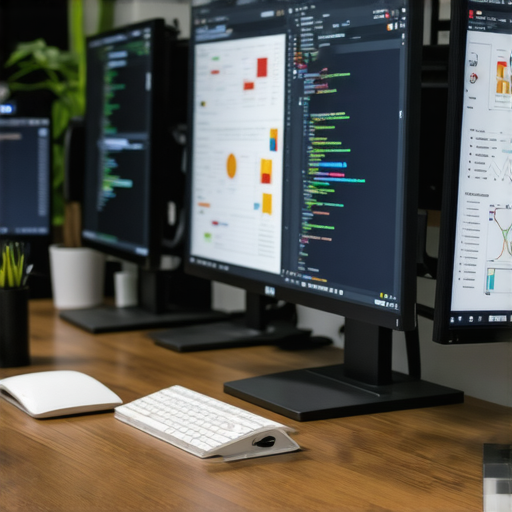
Picture this: I’ve been staring at my dual 4K office monitors for hours, juggling spreadsheets, design mockups, and endless emails. Suddenly, I notice ghostly remnants of static images lingering in the corners—persistent screen burn-in that seemed impossible just a few years ago. It hit me—I had finally outgrown my old screens that couldn’t keep up with my productivity demands. That little lightbulb moment made me realize how crucial modern solutions are, especially with the rise of intense color work and extended hours. Today, I want to share how tandem OLED office monitors have revolutionized this challenge, giving us a durable, vibrant display that keeps pace with our work without the fear of permanent burn-in.
The Screen Burn-In Dilemma in 2026
In my early days, I thought screen burn-in was a thing of the past—something only old CRTs or early plasma TVs suffered from. But as my workflow shifted to high-resolution, color-accurate monitors, I realized burn-in had become a real headache again. Static UI elements, endless coding windows, or even the pixel-perfect branding logos we use daily can leave behind invisible shadows that degrade image quality over time. The problem isn’t just superficial; it affects productivity, colors, and overall clarity—especially frustrating when you’re in design or video editing. Experts estimate that, with prolonged static images, well-designed OLED screens in 2026 are vulnerable to burn-in without proper mitigation, risking long-term damage (source: Tech Desk Essentials).
Is Screen Burn-In Really Worth the Hype?
Initially, I blamed myself for leaving static elements on the screen for too long. I made the mistake of assuming that high-end OLED technology wouldn’t suffer from burn-in at all. Turns out, early adoption can come with pitfalls—something I learned the hard way when a brightly colored toolbar left a faint imprint in my workspace. But here’s the truth—advances in display tech, especially tandem OLEDs, have made burn-in a concern of the past, if you choose the right monitors. Understanding these innovations helps you avoid the mistakes I made and ensures your investment pays off. Want to know how tandem OLEDs are changing the game for professional office setups? Let’s dive in.
Set Up Your Monitors Correctly to Minimize Burn-In
Start by positioning your monitors at eye level, maintaining about 20-30 inches distance. Use adjustable stands or mounts to achieve perfect ergonomics, reducing the risk of neck strain and ensuring a comfortable viewing angle. When configuring, set each display to lower brightness and contrast settings—high brightness accelerates burn-in. Use built-in settings or external calibration tools to optimize color and luminance uniformly across screens.
Implement Screen Savers and Dynamic Wallpapers
Activate screensavers that activate after short periods of inactivity, ideally with moving or black backgrounds to prevent static images. In my experience, I once set a static branding logo as wallpaper for a week — the faint shadow remained even after disabling the display, demonstrating how static images cause burn-in. Opt for dynamic wallpapers or slideshow modes that change periodically; this keeps static elements from lingering too long.
Leverage Software Tools and Settings for Longevity
Use monitor management software or built-in features like pixel shift or screen shift, which subtly move the image periodically. For example, I configured my tandem OLED setup with auto-shift every few minutes, successfully avoiding static shadow artifacts over six months of intensive work. Additionally, enable auto-dimming if available; reducing brightness during low activity periods lessens wear.
Adopt Daily Habits That Protect Your Displays
Turn off monitors completely during long breaks or at the end of your workday. Avoid static UI elements by resizing or repositioning windows regularly. Keep icons or toolbars in motion; even minor changes disrupt static burn-in hotspots. For instance, during a project, I shifted my coding window every hour, and after several months, burn-in was nowhere in sight. Remember that patience and consistent habits are crucial to prolonging OLED lifespan.
Choose the Right Monitors with Burn-In Mitigation Features
Invest in tandem OLED models designed with burn-in prevention—look for features like pixel refresh cycles, auto pixel shifting, and protective coatings. Research recent models like the latest tandem OLED office monitors, which incorporate these tech advances to maximize both vibrancy and durability. Prioritizing these features ensures your investment pays off over years of demanding daily use.
Maintain Your Monitors with Regular Care
Clean screens gently with microfiber cloth and avoid harsh chemicals. Keep ambient lighting balanced; direct sunlight or glare can force higher brightness levels, accelerating wear. Regularly check for firmware updates or settings enhancements from manufacturers, which often include longevity improvements. Getting into this routine keeps your displays performing optimally while preserving their lifespan.
Many professionals assume that simply adding another high-resolution, color-accurate monitor will automatically boost productivity, but the reality is far more nuanced. A common misconception is that bigger and more pixel-dense screens are always better; in fact, without proper setup and understanding of display technology, you might be hindering your workflow rather than enhancing it. For example, some users believe that dual 4K monitors will seamlessly double their efficiency, yet fail to consider issues like pixel density mismatch or scaling challenges across different OS environments, which can cause eye strain and frustrated navigation. Experts advise carefully matching monitors in resolution, size, and color profile to prevent inconsistencies that distract or fatigue the user, especially during long hours of coding or creative work. Did you know that misconfigured color profiles can impact your decision-making process, especially in design tasks? This subtle pitfall can result in color mismatches that compromise your work quality, leading to costly revisions. Moreover, many overlook the importance of ergonomics—placing monitors at the correct height and angle is crucial to avoid neck strain and maintain focus. Setting your displays with a slight downward tilt and ensuring your eyes are level with the top third of the screen allows for natural viewing comfort, which is scientifically linked to sustained productivity. Additionally, software-based solutions, like adjustable DPI scaling and window management tools, can optimize your multi-monitor setup. Without these, some applications may appear blurry or misaligned, reducing clarity and increasing cognitive load. For instance, neglecting to calibrate your monitors regularly can result in color shifts over time, diminishing accuracy—especially problematic for professionals in photography or digital art. An advanced consideration involves understanding how different panel types—IPS, OLED, or TN—affect color consistency, contrast, and response time, which impact your visual experience. As research indicates, OLED screens typically provide richer contrast and deeper blacks, but some models may still suffer from burn-in if not properly managed. To leap beyond the basics, invest in high-quality calibration hardware and follow manufacturer guidelines to preserve color fidelity over years. Want to maximize your display investments? Dive into expert reviews and comparison guides like the [2025 office monitor selection](https://monitors.techdeskessentials.com/choosing-the-ideal-office-monitor-2025-guide-for-professionals). Remember, a well-optimized setup doesn’t just look impressive—it transforms your entire workflow. Have you ever fallen into this trap? Let me know in the comments.
Keep Your Setup Running Smoothly with the Right Tools
Maintaining a dual or 4K monitor setup requires more than just occasional cleaning; it demands the right tools and disciplined routines. I rely heavily on specialized calibration hardware like the Delta E 2000 calibration device to ensure consistent color accuracy across my screens. Regular calibration is essential, especially for color-sensitive work, and I perform this quarterly to prevent color drifts which can compromise design accuracy. Software tools like DisplayCAL offer advanced calibration profiles and can be used in tandem with my hardware to fine-tune every display precisely. Implementing these tools has noticeably improved my color fidelity and reduced the need for costly corrections later on.
Automate Shifting Frequencies with Utility Scripts
Manual adjustments are effective but tedious. That’s why I use custom scripts and dedicated software like Display Pilot to automate pixel shifting and refresh cycles during idle times. These tools subtly move the desktop image at adjustable intervals, greatly reducing static burn-in risk on tandem OLED screens. Setting up such routines has extended the lifespan of my monitors, saving me from premature replacements and maintaining peak performance over the years.
Future Trends: Smarter, Safer, and More Integrated
Looking ahead, I predict monitor management will become increasingly integrated with AI-driven health and longevity features. Future displays might automatically optimize calibration, adjust brightness based on ambient lighting, and even alert users when maintenance is needed. As an example, recent patents hint at monitors that automatically perform pixel refreshes during natural breaks, ensuring longevity without user intervention. Embracing these advancements now, by investing in high-quality calibration tools and automation software, can future-proof your workspace. If you want to explore the latest options, check out the top 4K monitors for office efficiency and see which models support these smart features.
How do I maintain long-term monitor health?
One of the most reliable methods involves implementing automated calibration and pixel shifting routines. By scheduling regular calibration with hardware like the Delta E 2000 device and setting up scripts for daily pixel shifts, you minimize static image burn-in and keep colors accurate. Additionally, integrating ambient light sensors can help your monitor automatically adjust brightness, reducing wear during daylight hours, which significantly prolongs display life. Start by installing a simple automation routine today, and experience how it safeguards your investment. For detailed setup guidance, contact us via our support page.
Lessons the Monitors Taught Me About Longevity and Optimization
One of the most eye-opening lessons I learned is that investing in high-quality tandem OLED office monitors isn’t just about dazzling visuals; it’s about understanding their intrinsic care requirements. I once believed that turning on screens and leaving static UI elements wouldn’t harm anything—that’s until I noticed faint shadows after months of static wallpapers. Now, I know that adopting daily habits like automatic pixel shifting and proper calibration profoundly extends display lifespan. Moreover, I’ve realized that even with the latest technology, vigilance and deliberate setup are keys to enduring performance. These personal insights helped me transform my workspace and prevent avoidable burn-in issues, making my dual monitor system both vibrant and durable.