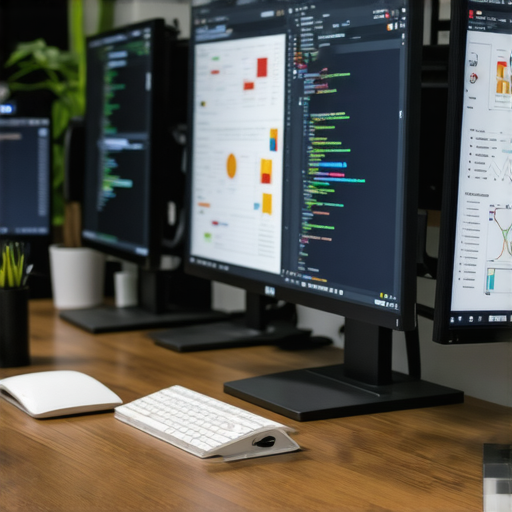
One morning, I caught myself squinting at my cluttered desk, frustrated as my eyes begged for relief from the glare and misaligned screens. It hit me then—my dual monitor setup was more chaos than clarity. I was wasting precious minutes constantly adjusting windows, fighting eye strain, and trying to keep my color calibration consistent across screens. This familiar chaos is something I bet many of you have experienced too, especially as our workspaces evolve with ever-expanding digital demands.
Unlocking the Power of Smart Dual Monitor Layouts
In my journey to work smarter, not harder, I discovered that not all monitor setups are created equal. The right layout can skyrocket your productivity, reduce fatigue, and make multitasking a breeze. Today, I want to share my insights into the three dual monitor configurations tailored for 2026 — designed to suit different work styles and desk sizes. Whether you’re a creative professional, data analyst, or a coder, these layouts can help you optimize space and focus.
Is Dual Monitor Setup Really Worth the Effort
Early in my tech journey, I made the mistake of blindly following advice without considering my unique workflow. Like many beginners, I thought a standard side-by-side setup was enough. It wasn’t—my neck and eyes paid the price. Studies have shown that ergonomic, well-planned monitor arrangements can reduce neck pain and eye strain significantly, boosting overall efficiency (source: [TechDesk Essentials](https://monitors.techdeskessentials.com/7-dual-monitor-desk-setups-that-actually-save-your-spine-2026)). Recognizing this was a game-changer for me, and I hope it will be for you too.
If you’ve ever spent hours rearranging windows, feeling unproductive because your screens don’t align with how you think, stay tuned. The upcoming sections will walk you through three layouts that can fit your space, style, and usage patterns. Ready to ditch the chaos and embrace a workspace that works for you? Let’s dive into these proven configurations that could redefine your productivity in 2026.
Adjust Your Monitor Heights Precisely
Begin by positioning your monitors at eye level to prevent neck strain. Use a ruler or measuring tape to set each screen so the top aligns with your brow line, mimicking how you naturally look straight ahead. I once used a piece of cardboard to simulate the height during a messy setup morning, which helped me visualize the ideal position before investing in risers. This simple step drastically reduced my neck discomfort and improved focus.
Choose the Right Desk Space and Arrangement
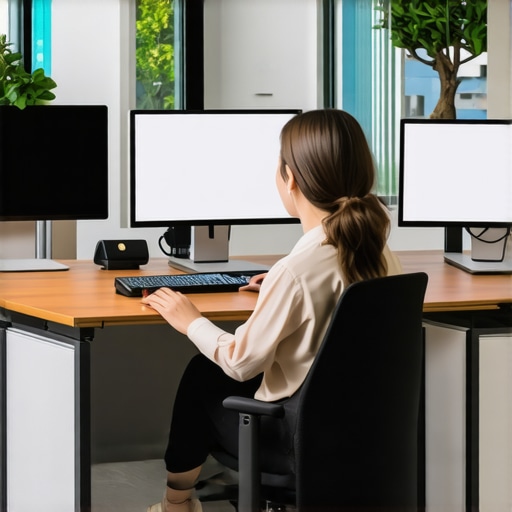
Ensure your desk can accommodate your chosen layout comfortably. For a side-by-side setup, allocate equal space for each monitor, leaving room for keyboard and mouse. Think of your desk as a cockpit dashboard—every instrument (monitor) should be within easy reach and line of sight. I struggled initially with cramped spaces, leading to constant repositioning; using adjustable monitor arms transformed this chaos into a sleek, ergonomic station, boosting my efficiency.
Optimize Screen Placement for Productivity
Position your primary monitor directly in front of you, with secondary screens angled inward at about 30 degrees. Imagine a triathlon race: the main goal (your primary monitor) is at the center, while the side stations (secondary monitors) are accessible without turning your neck excessively. I experimented by adjusting angles multiple times, making tweaks during a live coding session. The payoff was immediate—less neck movement, faster window switching, and more focus.
Calibrate Colors and Brightness
Use hardware calibration tools or built-in software to match the color profiles across screens. For example, creative professionals benefit greatly, as mismatched hues are distracting during editing. Think of it like tuning musical instruments—each monitor should harmonize perfectly. I once neglected this step, resulting in subtle color shifts that made my design appear inconsistent on other devices. Correcting this created visual consistency, essential for high-quality work.
Implement Cable Management Strategies
Keep cables organized with cable sleeves, clips, or under-desk trays to prevent clutter. Visualize your workspace as a clean workspace promotes clarity and efficiency. I used adhesive cable clips to route cables along the desk edges, which kept my area tidy and reduced accidental disconnections during busy days. This tidy setup allowed me to focus on tasks instead of untangling knots or searching for misplaced cables.
Leverage Software for Layout Precision
Utilize window snapping tools or automatic layout software like [office monitor automation tools](https://monitors.techdeskessentials.com/5-office-monitors-with-auto-snapping-layouts-2026) to organize your workspace instantly. Once, I manually arranged multiple overlapping windows, wasting time and causing frustration. Now, with auto-layout features, I press a hotkey, and my screens realign perfectly, saving valuable seconds during intensive multitasking sessions. These tools are game-changers for maximizing dual monitor efficiency.
When diving into the world of office monitors, many assume that the latest 4K resolution or a fancy dual setup guarantees productivity and comfort. However, even seasoned professionals often overlook nuanced aspects that can make or break their workflow. For example, widely believed myths such as “bigger is always better” when selecting a monitor size can lead to inefficient desk setups, causing unnecessary eye strain or neck discomfort. Instead, understanding your workspace and work style matters more. Additionally, a common mistake is relying solely on specs like refresh rate or brightness without considering color accuracy, especially for creative tasks—poor calibration can distort images, leading to subpar outputs. Many end up choosing monitors primarily based on price or brand reputation, neglecting critical factors like uniformity in color reproduction or anti-glare coatings, which truly impact performance. For advanced users, mismatched dual monitors or overlooked ergonomic adjustments often result in subtle fatigue, despite high resolutions or impressive specifications. It’s worth noting that calibrating your monitor regularly with a hardware colorimeter ensures consistent color across screens, preventing mismatches that can ruin professional workflows. The advanced question here is: How does the technology inside a monitor affect your productivity beyond just resolution and size? Studies indicate that factors like panel type—IPS versus OLED—can influence eye comfort and clarity over extended periods, a concern that many overlook. For insightful recommendations on selecting the right color-accurate monitor for your needs, check out this guide on [best color accurate monitors for creative professionals](https://monitors.techdeskessentials.com/best-color-accurate-monitors-for-creative-professionals-in-2025). Keep in mind that issues such as PWM flickering or poor viewing angles might seem minor but can cause significant discomfort over time. Avoid falling for the hype—prioritize your specific workflow and workspace dimensions. Curious if your current setup aligns with ergonomic best practices? You can reach out for personalized advice at [our contact page](https://monitors.techdeskessentials.com/contact-us). Remember, healthy work habits begin with the right tools and informed choices. Have you ever fallen into this trap? Let me know in the comments.
Keeping your office monitors in top shape is crucial for sustained productivity and visual comfort. To achieve this, I rely on a combination of hardware and software tools that streamline maintenance and ensure long-term performance. One of my go-to hardware tools is the
Automated Calibration and Color Management
Beyond hardware calibration, software solutions like
Monitoring Your Setup’s Health with Diagnostics Tools
Diagnostic software like Dead Pixel Buddy helps me identify faulty pixels early, while tools like FlickerFree or f.lux assist in reducing flickering and managing blue light emissions. These utilities contribute to a healthier viewing experience over prolonged hours, especially when working on demanding projects.
Predictions for Future Maintenance Practices
Looking ahead, I believe that AI-powered calibration and diagnostic tools will become more mainstream, offering real-time adjustments and personalized recommendations. Companies are investing in monitors with integrated sensors that automatically tweak brightness, contrast, and color profiles based on ambient lighting conditions — quite an advancement from manual calibration routines. For example, the AI-powered monitors of 2026 will help sustain optimal settings without user intervention, saving time and reducing eye fatigue.
How do I maintain my monitors over time?
Developing a regular maintenance routine is key. Incorporate hardware calibrations with tools like the X-Rite i1Display Pro Plus, schedule software checks using utilities like DisplayCAL, and keep firmware updated through manufacturer websites. Avoid neglecting dust buildup—use soft microfiber cloths and compressed air to clean screens gently. Also, consider protective accessories like matte screen filters or anti-glare coatings to minimize environmental wear and tear. These small but consistent efforts ensure your investment stays reliable and your workspace remains comfortable. For personalized advice tailored to your setup, you can always reach out through our contact page. Plus, exploring advanced calibration tips can significantly improve your long-term display performance—try setting a biannual calibration schedule as a starting point. Remember, maintaining your office monitors isn’t a one-time task but a continuous process that pays off in enhanced productivity and reduced eye strain.
Three Surprising Lessons That Changed My Dual Monitoring Approach
One of my biggest lightbulb moments was realizing that ergonomic positioning isn’t just about eye level—it’s about customizing height and angle to your natural posture. Small tweaks, like tilting your secondary monitor slightly inward, dramatically reduced neck strain and made multitasking more comfortable. Another revealing lesson was that color calibration isn’t a one-and-done task; ongoing adjustments and understanding your specific workspace lighting conditions ensure consistent hues and eye comfort. Lastly, I discovered that cable management isn’t just tidiness—it’s a productivity enhancer. Organized cables prevent distractions, accidental disconnections, and even overheating, creating a calmer, more focused work environment.
Tools and Resources That Elevate Your Display Game
My trusted toolkit includes the hardware calibrator for precise color matching, which is vital for creative professionals ensuring consistency across projects. I rely on DisplayCAL for automated calibration routines that keep my color profiles tight without daily fuss. When it comes to optimizing workspace, the dual monitor mounting solutions help me achieve perfect alignment for minimal neck movement. Regular maintenance guides from the privacy policy page remind me of best practices to keep my monitors in top shape over years.
Keep Moving Forward with Confidence and Clarity
Your workspace can truly transform with thoughtful setup and consistent upkeep. Embrace these lessons learned to refine your dual monitor arrangement, ensuring long-term comfort and efficiency. Remember, the right tools and habits empower you to work smarter, not harder. Whether upgrading to the latest color-accurate monitors or fine-tuning your ergonomic setup, every step takes you closer to a seamless, inspiring workspace. Take action today—your future productivity self will thank you.